


Last updated on August 21st, 2024
Living in the city has its perks, but clean air isn’t one of them. While we often focus on outdoor pollution, it’s crucial to remember that indoor air can be just as contaminated, if not more. From dust and pet dander to chemical fumes and mold, the air inside our homes can harbor numerous pollutants.

The good news? You can take several steps to keep your indoor air fresh and clean. Read on for some effective tips to create a healthier home environment.
Looking to get your interiors done?
Start with a Clean Slate

The first step in maintaining clean indoor air is keeping your home spotless. Dust, mold spores, and other particulate matter can settle into carpets, furniture, and the smallest nooks and crannies. Regular cleaning routines like vacuuming, dusting, and mopping can significantly reduce these pollutants. For a deeper clean, consider hiring professional carpet and furniture cleaners periodically. Using microfiber mops and brushes can help capture even the tiniest particles, ensuring that your home stays fresh and clean.
Start with a clean and organized space to improve indoor air quality.
Interiors in need of an upgrade?
Go Low on VOCs
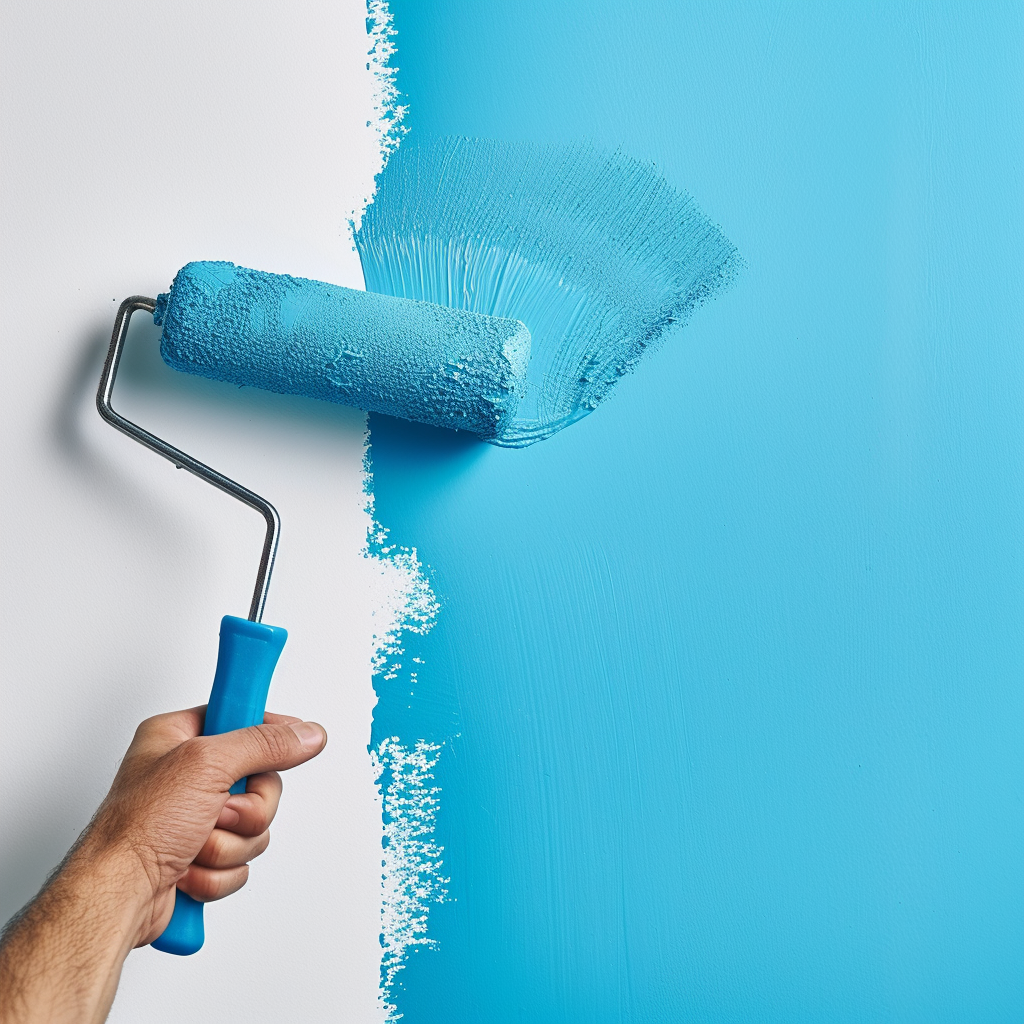
When redecorating or renovating, be mindful of the materials and products you use. Many paints, adhesives, and furnishings release volatile organic compounds (VOCs) into the air, which can cause headaches, respiratory issues, and other health problems. Opt for low-VOC or VOC-free options to minimize these harmful emissions. Today, many manufacturers offer eco-friendly alternatives that are just as effective and stylish.
Opt for low-VOC products to reduce harmful emissions in your home.
Banish Smoke and Moisture

Smoke from cooking or other activities can introduce harmful particles into your indoor air. Similarly, excessive moisture can create a breeding ground for mold and dust mites. To combat these issues, use exhaust fans in your kitchen and bathroom to vent smoke and moisture outside. For added moisture control, consider investing in a dehumidifier, which can help keep humidity levels in check and reduce allergens.
Use exhaust fans to remove smoke and moisture from your home.
Consider Air Purifiers

Air purifiers are a great addition to any home, especially if you live in an area with high pollution levels. These devices work by drawing in air, passing it through filters, and then releasing clean air back into the room. While air purifiers can effectively remove dust, odors, and some chemicals, it’s important to choose the right model for your needs. Keep in mind that some units require regular maintenance, such as cleaning or replacing filters, which can add to the overall cost.
Air purifiers can help remove pollutants and allergens from your home.
Need to refresh your interiors?
Embrace Air-Purifying Plants

Plants do more than just add beauty to your home; they also play a significant role in purifying the air. According to a NASA study, certain houseplants can remove pollutants like benzene, formaldehyde, and trichloroethylene from the air. Aloe vera, peace lily, snake plant, bamboo palm, and English ivy are among the best air-purifying plants. To maximize their benefits, aim to have at least one plant per 100 square feet of living space.
Houseplants not only beautify your home but also purify the air.
Let Fresh Air In

One of the simplest ways to improve indoor air quality is by opening your windows regularly. This allows fresh air to circulate and reduces the concentration of indoor pollutants. Even in the winter, try to open your windows for a few minutes each day to let in fresh air and help ventilate your home.
Regular cleaning and air-purifying plants can make a big difference in your indoor air quality.
Choose Eco-Friendly Cleaning Products
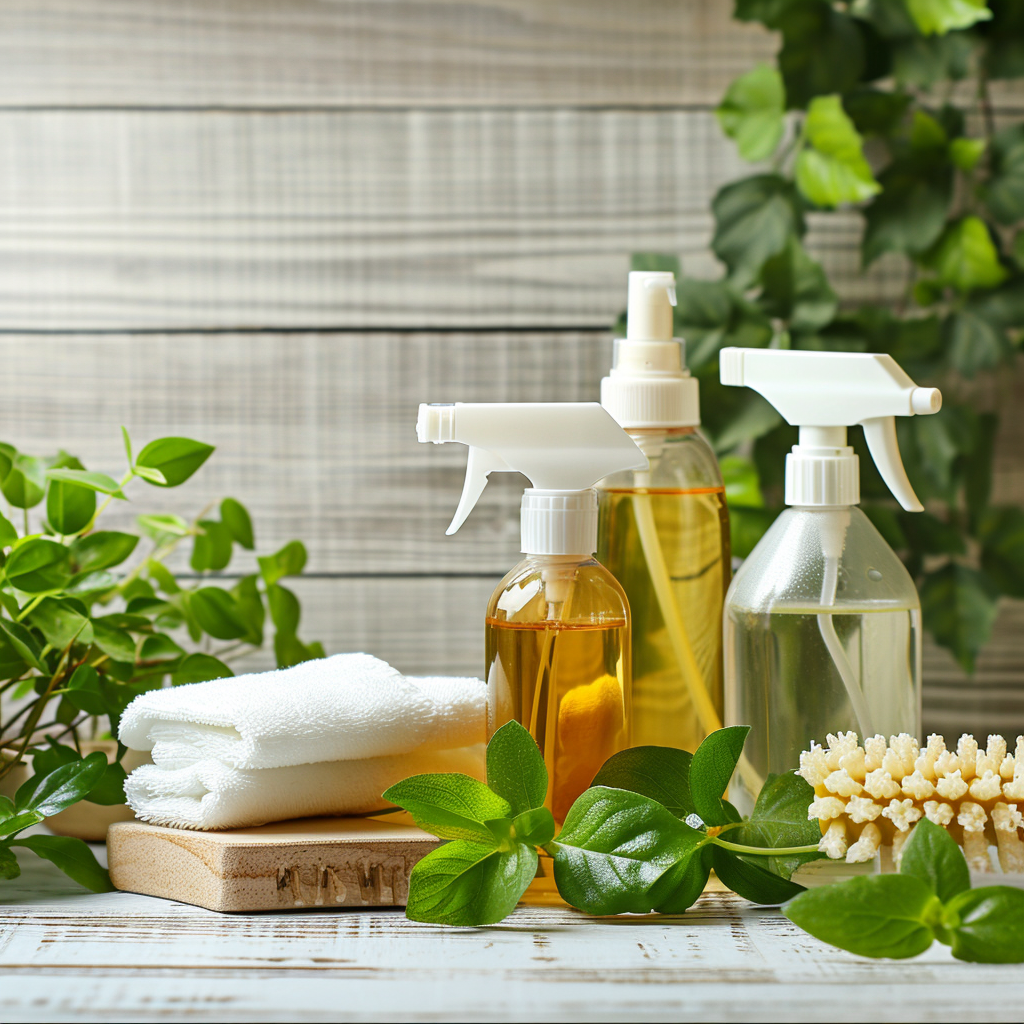
Many conventional cleaning products contain harsh chemicals that can contribute to indoor air pollution. Switching to eco-friendly cleaning products can help reduce the release of harmful fumes and improve air quality. Look for products labeled as non-toxic, biodegradable, and free from synthetic fragrances and dyes.
Using eco-friendly cleaning products can reduce indoor pollution.
Let the Sunshine In
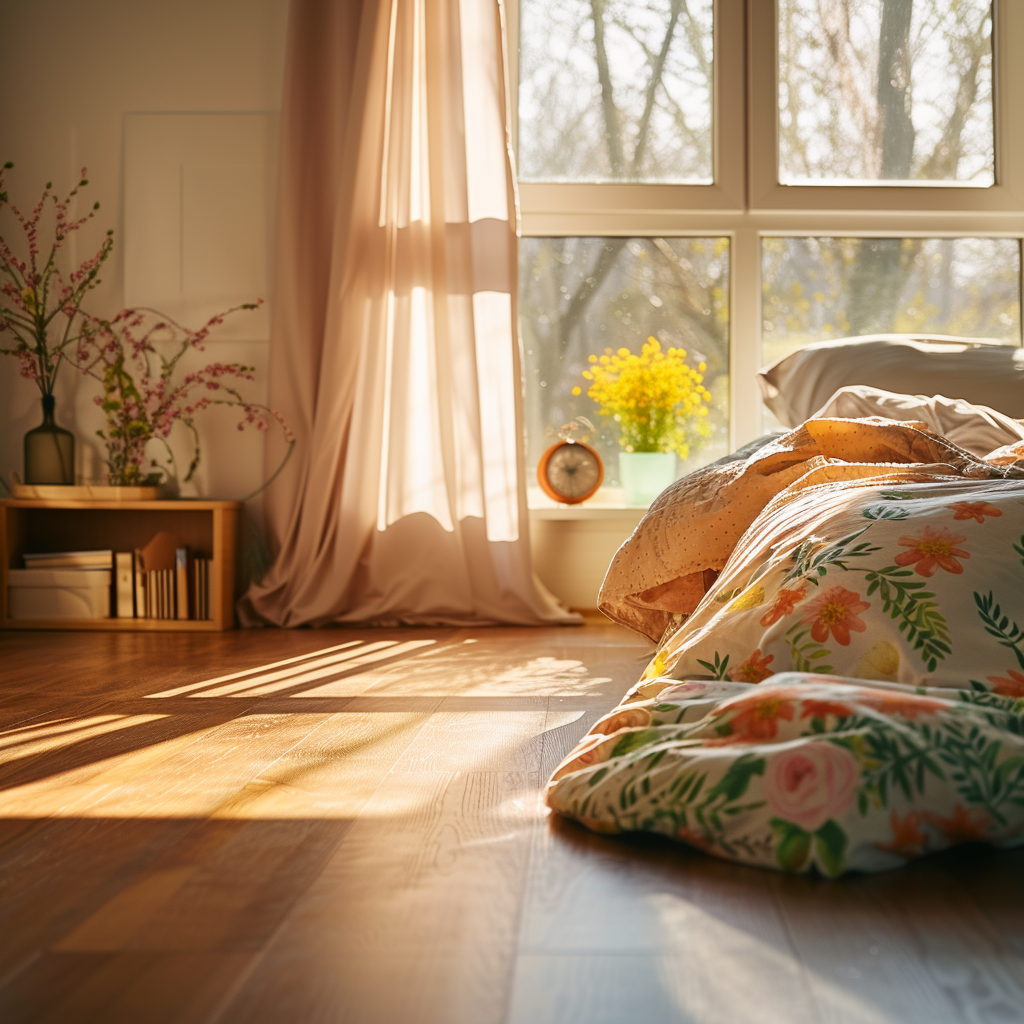
Natural sunlight has powerful disinfectant properties that can help reduce the growth of mold and mildew. Keep your curtains open during the day to allow sunlight to penetrate your home. Not only will this help keep your space dry and mold-free, but it will also boost your mood and energy levels.
Letting natural light into your home can help reduce mold and mildew growth.
Declutter Your Space

A cluttered home can trap dust and make cleaning more difficult. Keeping your living space organized and free of unnecessary items can help reduce the accumulation of dust and allergens. Consider adopting a minimalist approach to your decor, which not only looks stylish but also makes it easier to maintain a clean and healthy home environment.
Reducing clutter can help minimize dust and improve air quality.
Groom Pets Regularly

Pets are a common source of indoor allergens, including pet dander and fur. Regular grooming and bathing can help reduce the amount of pet-related allergens in your home. Additionally, keep pets out of bedrooms and off furniture to minimize their impact on indoor air quality.
Regular grooming of pets can reduce pet dander and improve indoor air quality.
Conclusion: Breathe Easy with These Tips

Maintaining fresh and clean indoor air is essential for your health and well-being. By following these tips, you can significantly reduce indoor pollutants and create a healthier living environment. From regular cleaning and using air purifiers to incorporating air-purifying plants and choosing eco-friendly products, each step contributes to better indoor air quality. For more home improvement tips and inspiration, visit the Homebliss blog and transform your living space into a sanctuary of freshness and comfort.
Implementing these tips will help you enjoy a healthier and cleaner home.