


Last updated on January 27th, 2026
A home doesn’t look expensive because of money spent. It looks expensive when choices are intentional, edited, and quietly well thought out.

1. Start With Decluttering, Not Decorating

The most affordable upgrade is removing what doesn’t belong. Visual clutter instantly cheapens a space, no matter how good the furniture is.
Clear countertops. Edit open shelves. Remove extra cushions, decor, or furniture that doesn’t earn its place. When a room has breathing space, everything left behind looks more considered and premium.
Expensive homes rarely look busy.
Looking to get your interiors done?
2. Upgrade Lighting Before Furniture
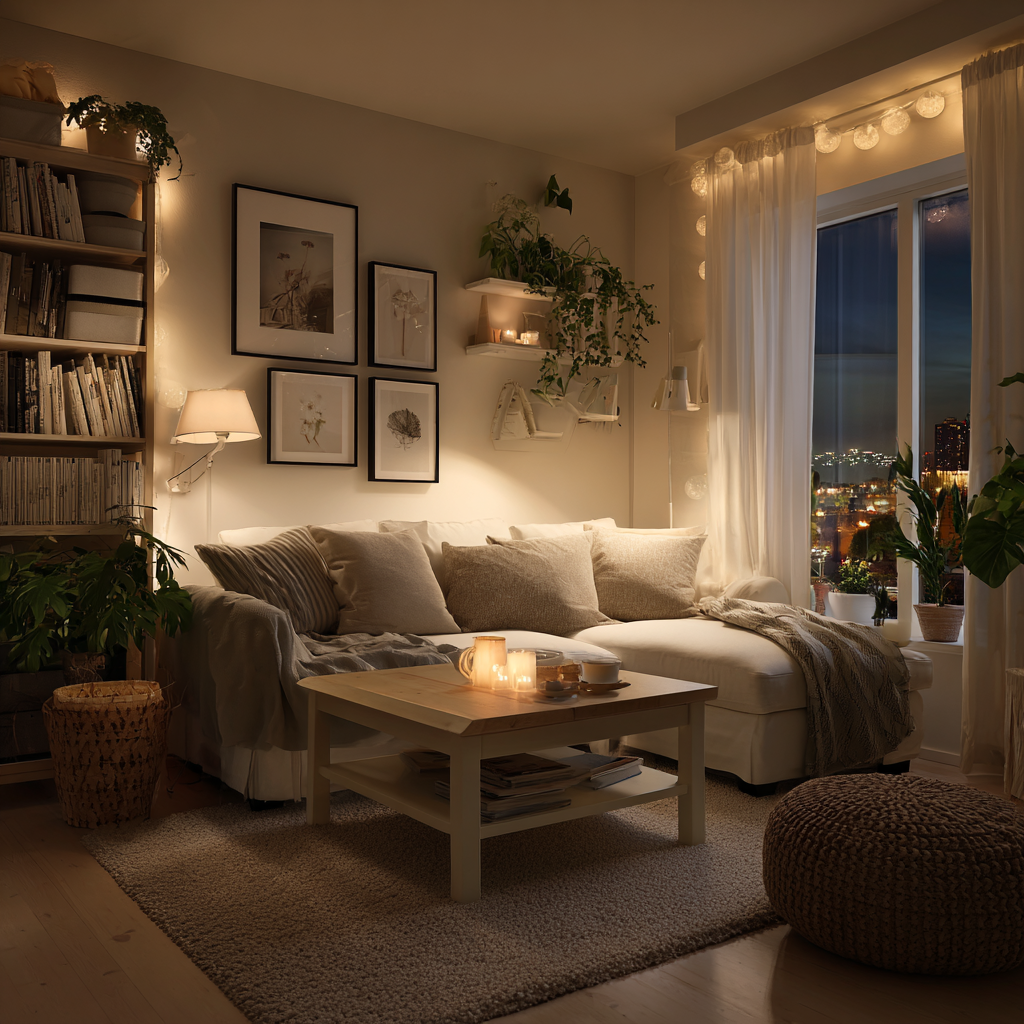
Lighting changes a room faster than furniture ever will. Swap harsh white bulbs for warm light. Add a table lamp or floor lamp instead of relying on one overhead light.
Layered lighting makes a room feel intentional and cozy. Even budget lamps look elevated when the glow is soft and well placed.
If you can, add simple LED strip lighting under shelves or cabinets. It’s affordable and instantly makes spaces feel designed.
Looking to get your interiors done?
3. Paint Is The Cheapest Luxury

A fresh coat of paint can do what new furniture cannot. Stick to calm, neutral tones like soft beige, warm white, muted gray, or pale green.
Avoid too many colors in one space. Expensive-looking homes usually limit palettes and repeat shades across walls, furniture, and decor.
Matte or eggshell finishes often look more refined than glossy ones, especially on walls.
4. Curtains That Touch The Floor Change Everything

Short curtains cut a room visually. Floor-length curtains, even in affordable fabrics, instantly add height and elegance.
Hang curtain rods slightly higher than the window frame to make ceilings feel taller. Choose solid colors or subtle textures over loud prints.
Machine-washable fabrics like cotton blends or linen-look materials work beautifully without costing a fortune.
5. Choose Fewer, Bigger Decor Pieces
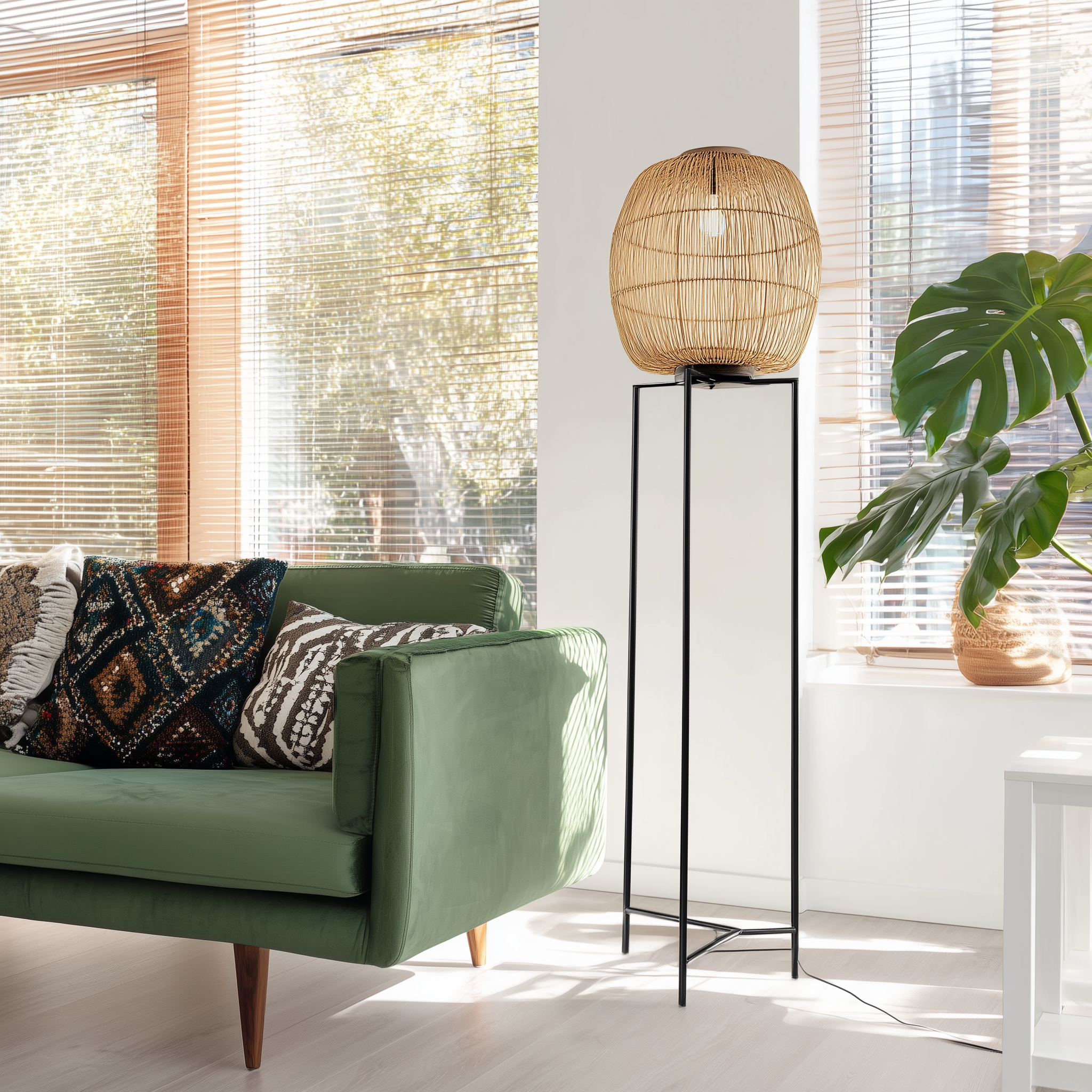
Lots of tiny decor items make a home feel cluttered and budget-heavy. One larger piece feels intentional and expensive.
Think one oversized artwork instead of many small frames. A single ceramic vase instead of five mini accents. One statement mirror instead of decorative clutter.
Scale matters more than price.
6. Mix Textures, Not Trends

Expensive homes don’t chase trends aggressively. They mix textures instead. Wood, fabric, metal, glass, and stone create richness even when pieces are simple.
A wooden tray on a coffee table. Linen cushions on a sofa. A metal lamp beside a fabric chair. These combinations create depth without spending more.
Texture adds luxury quietly.
7. Keep Storage Closed And Clean-Lined
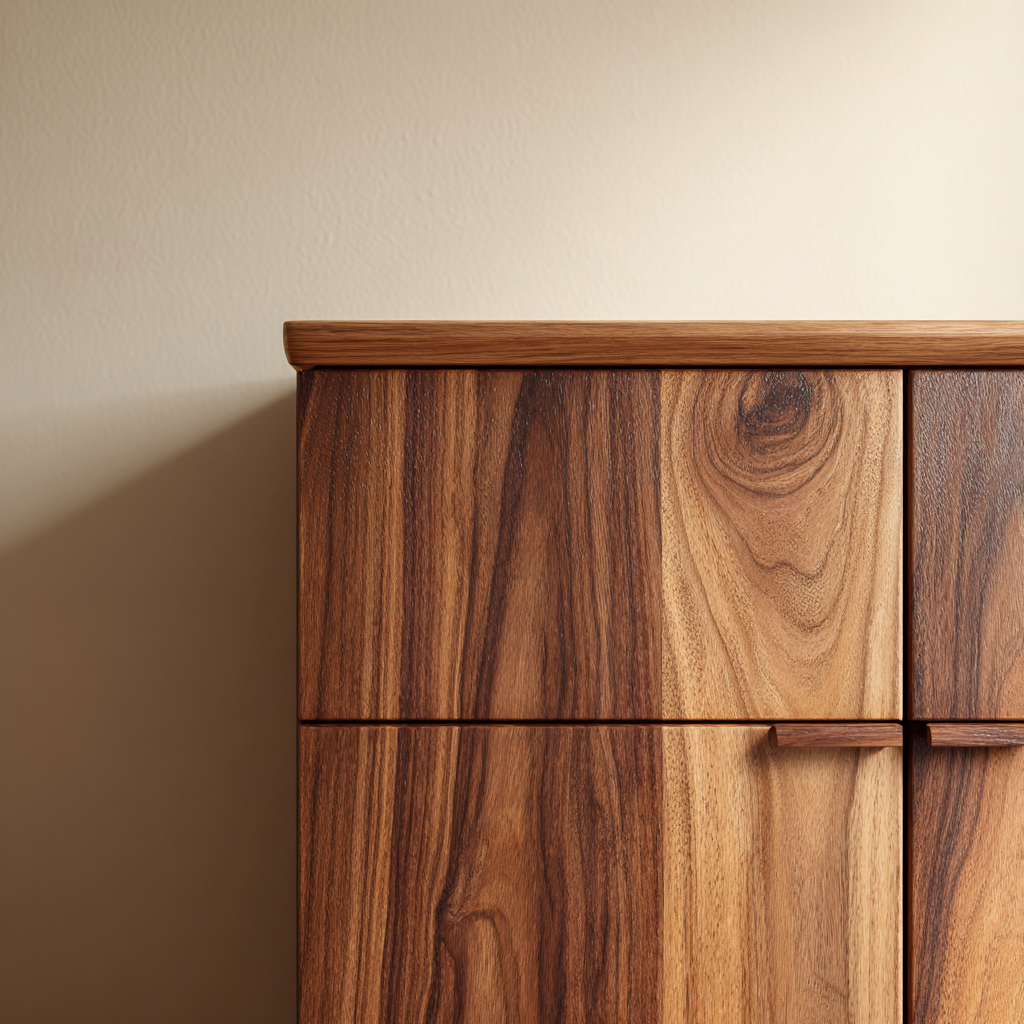
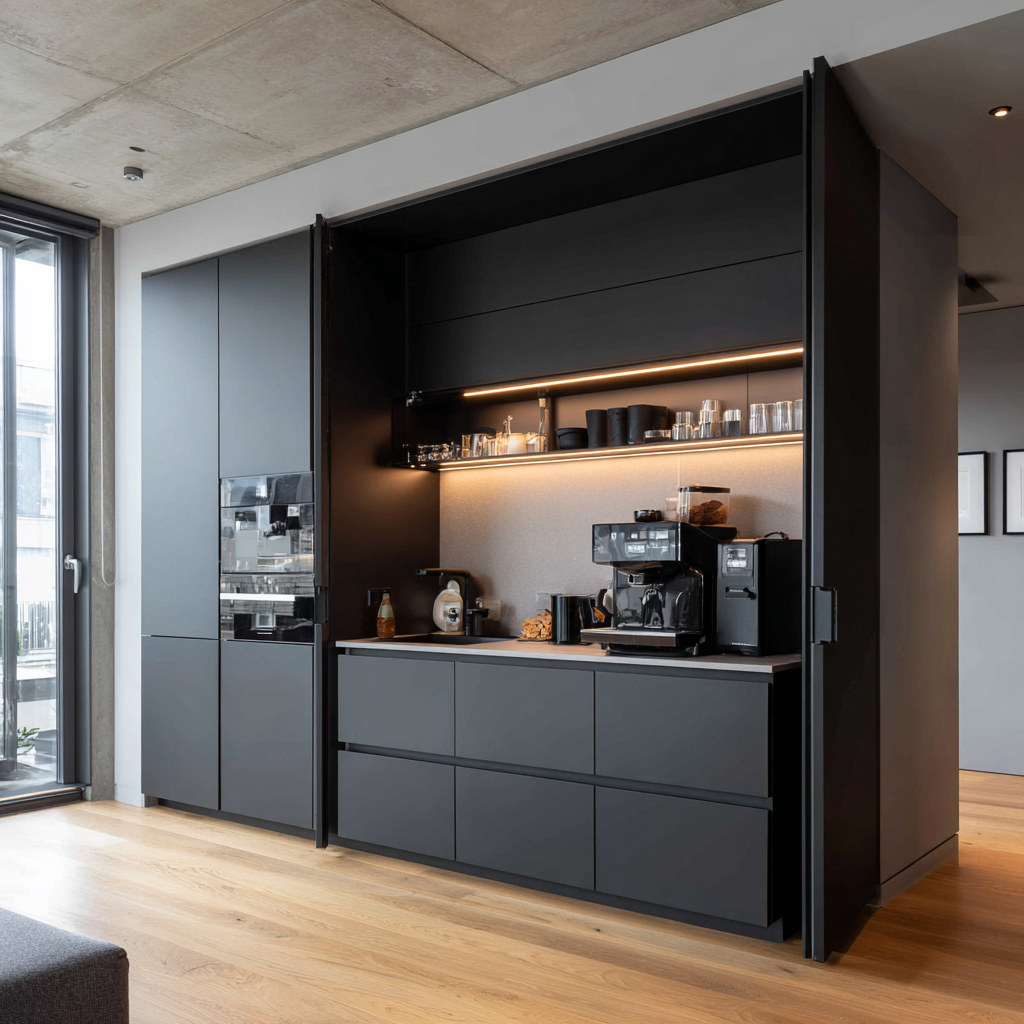
Open shelves look great in styled photos but collect visual noise quickly. Closed storage with clean shutters makes spaces feel calmer and more high-end.
If replacing cabinets isn’t possible, repaint existing ones or change handles. Simple hardware upgrades can completely change the feel of furniture and storage units.
Clean lines always read as premium.
8. Make Floors Look Intentional

Rugs define spaces. Even a budget rug can look expensive if it’s the right size and color.
Choose neutral or textured rugs over busy patterns. Make sure the rug is large enough to anchor the furniture, not float awkwardly in the middle.
Small rugs often make rooms feel cheaper than no rug at all.
Looking to get your interiors done?
9. Edit Color, Repeat Calm

Pick two or three main colors and repeat them across the room. Cushions, throws, artwork, and decor should talk to each other, not compete.
When colors repeat subtly, the space feels cohesive and thoughtfully designed, even if everything was bought on a budget.
Consistency is what creates the “expensive” feeling.
A Last Word
A home looks expensive when it feels calm, intentional, and easy to live in. You don’t need costly furniture or big renovations to get there. You need editing, good lighting, thoughtful colors, and fewer but better choices.
At HomeBliss, we believe the best homes aren’t built by overspending. They’re built by removing friction, choosing wisely, and letting simple ideas do the heavy lifting. When your home feels lighter, it automatically looks richer.