Last updated on June 12th, 2025
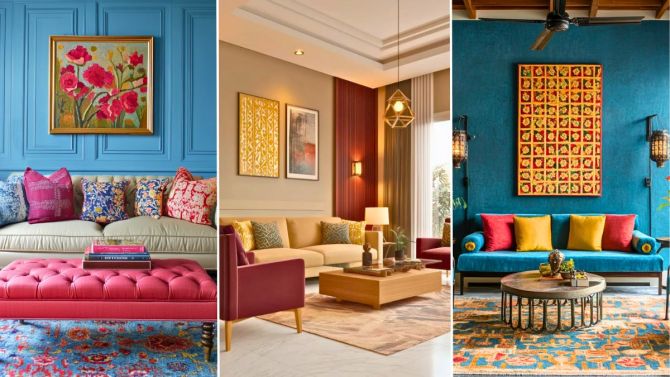
Traditional Indian colors have an undeniable charm that can transform any space into a warm, welcoming haven. From rich mustards to deep jewel tones, these vibrant hues tell stories of heritage and culture.

However, the key to successfully incorporating desi colors lies in striking the perfect balance between bold expression and sophisticated restraint.
Looking to get your interiors done?
Understanding the Power of Desi Color Palette
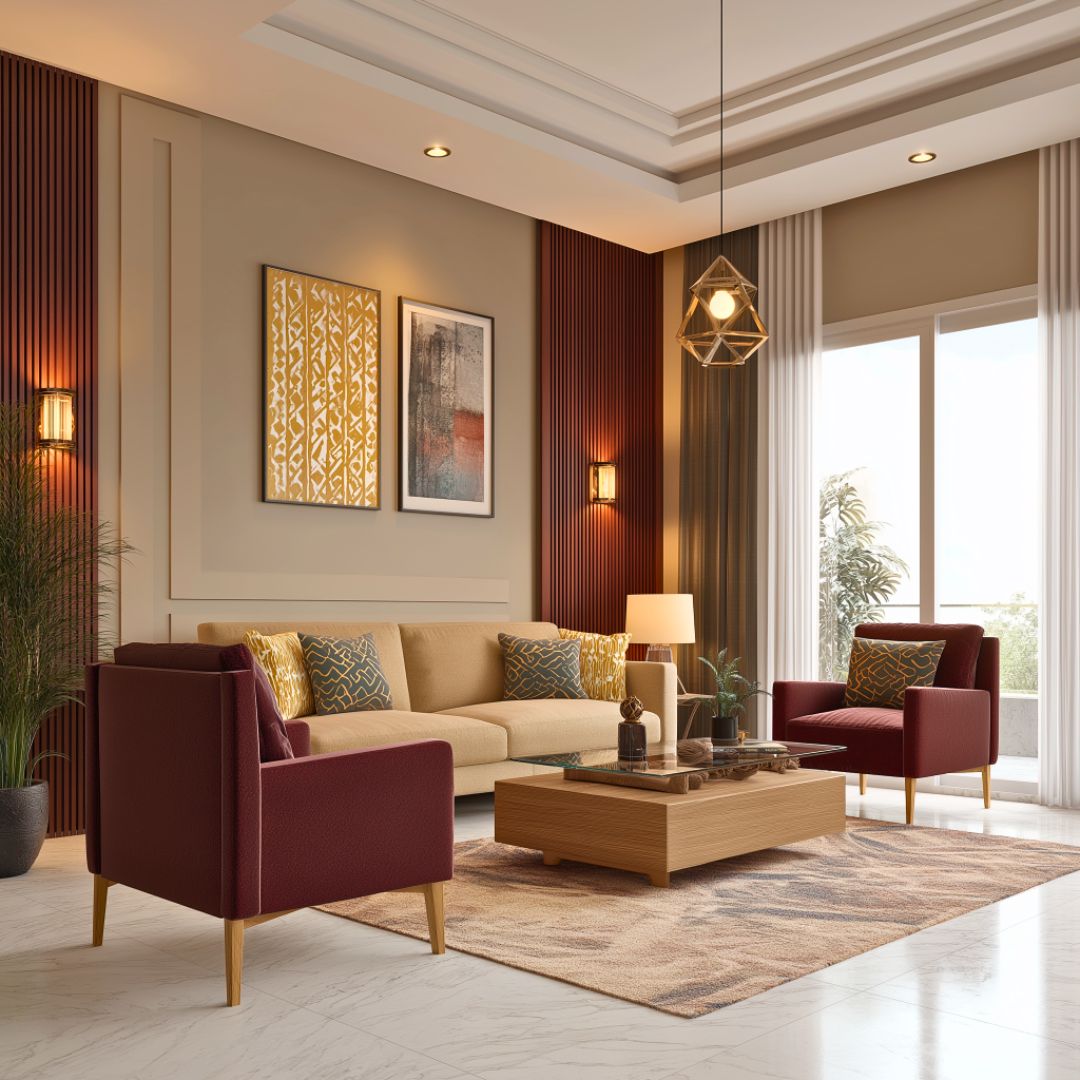
Popular colors in desi style are mustard, magenta, orange, rust, maroon, bottle green and deep blues. Gold is also a great pick as it goes with all the other colors and suits the Indian aesthetic very well. These colors aren’t just decorative choices – they carry cultural significance and emotional depth that can make a house feel like a true home.
Unlike the contemporary style that clings to black and white like a shy kid at a relative’s house; Indian home décor is known for accepting all that stands out only to blend it all as one. This acceptance of bold colors is what makes Indian design so distinctive and vibrant.
Interiors in need of an upgrade?
Start Small with Accent Pieces
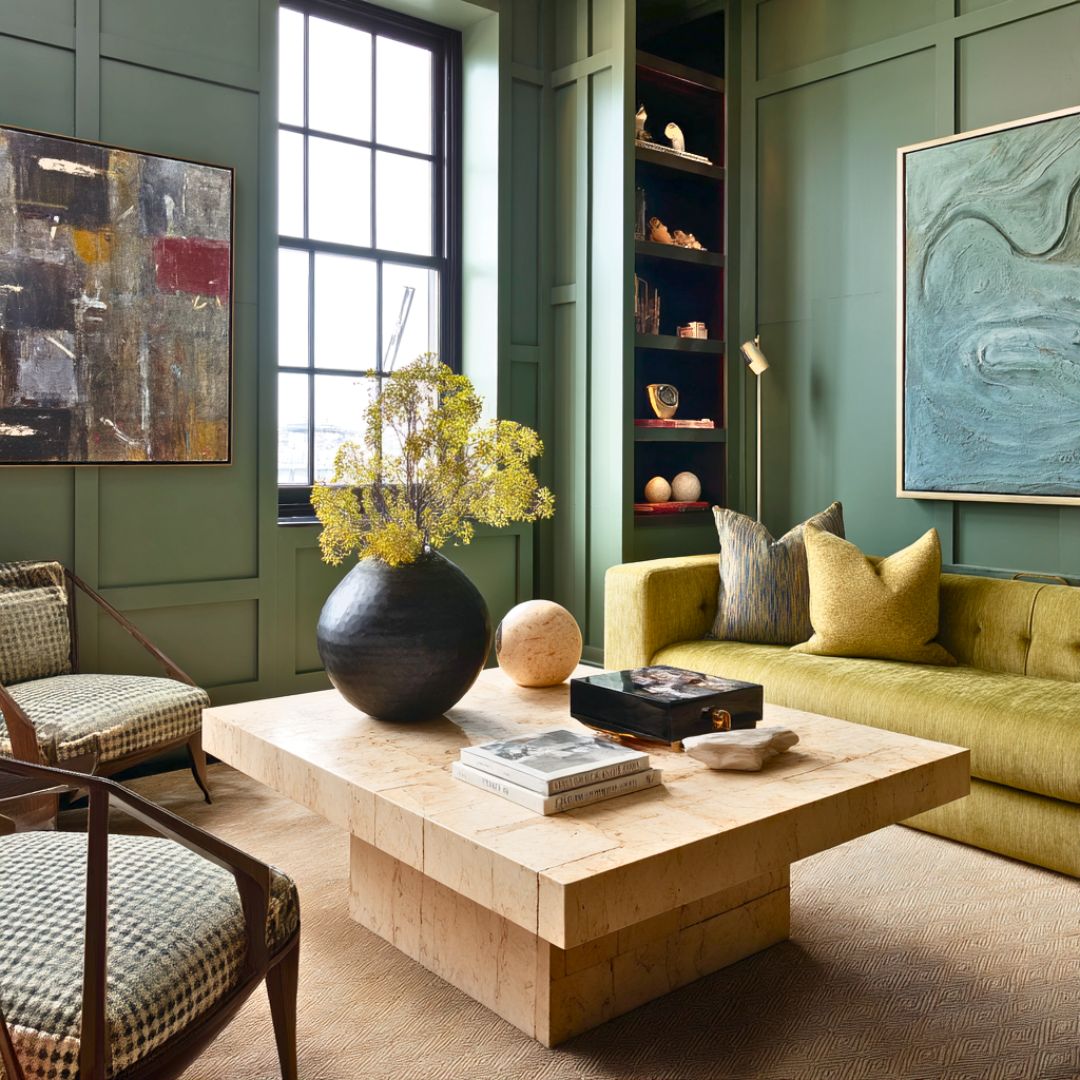
The secret to avoiding color overload is beginning with smaller elements before committing to larger surfaces. Introduce desi colors through cushions, throws, artwork, or decorative accessories. A mustard yellow throw pillow or a magenta table runner can add that perfect pop of traditional color without overwhelming the space.
Consider investing in one statement piece – perhaps a rust-colored accent chair or a bottle green side table. This approach allows you to test how the colors feel in your space and build confidence before making larger commitments.
The 60-30-10 Rule for Color Balance

Professional designers swear by the 60-30-10 rule, and it works beautifully with desi colors. Use neutral colors for 60% of your space (walls, large furniture), a complementary desi color for 30% (upholstery, curtains), and a bold traditional accent for the remaining 10% (accessories, art pieces).
For example, keep walls in warm beige or cream, introduce deep blue through curtains or a sofa, and add pops of gold through decorative items. This creates visual harmony while celebrating traditional aesthetics.
Mixing Textures to Enhance Color Impact

To add a bit of good old Indian or desi depth to your modern home, take inspiration from the plethora of fabrics and textures that this country offers, like silk and khadi, the hand-spun and hand-woven fabric that is quintessentially Indian.
Texture plays a crucial role in how colors are perceived. Rich silk cushions in deep maroon feel luxurious, while the same color in cotton appears more casual. Mix different textures – velvet, silk, cotton, and jute – to create depth and visual interest without relying solely on color intensity.
Creating Flow Between Rooms

When using multiple desi colors throughout your home, ensure there’s a connecting thread between spaces. This might be a consistent neutral base, repeated accent colors, or similar metal finishes. The clean and uncluttered approach of modern design is balanced with mustard walls, vintage-themed flooring and majestic wooden furniture, all lending the tropical touch to the overall aesthetic.
Choose two to three main colors from the traditional palette and use them in varying intensities across different rooms. This creates cohesion while allowing each space to have its own personality.
Need to refresh your interiors?
Balancing Bold with Neutrals
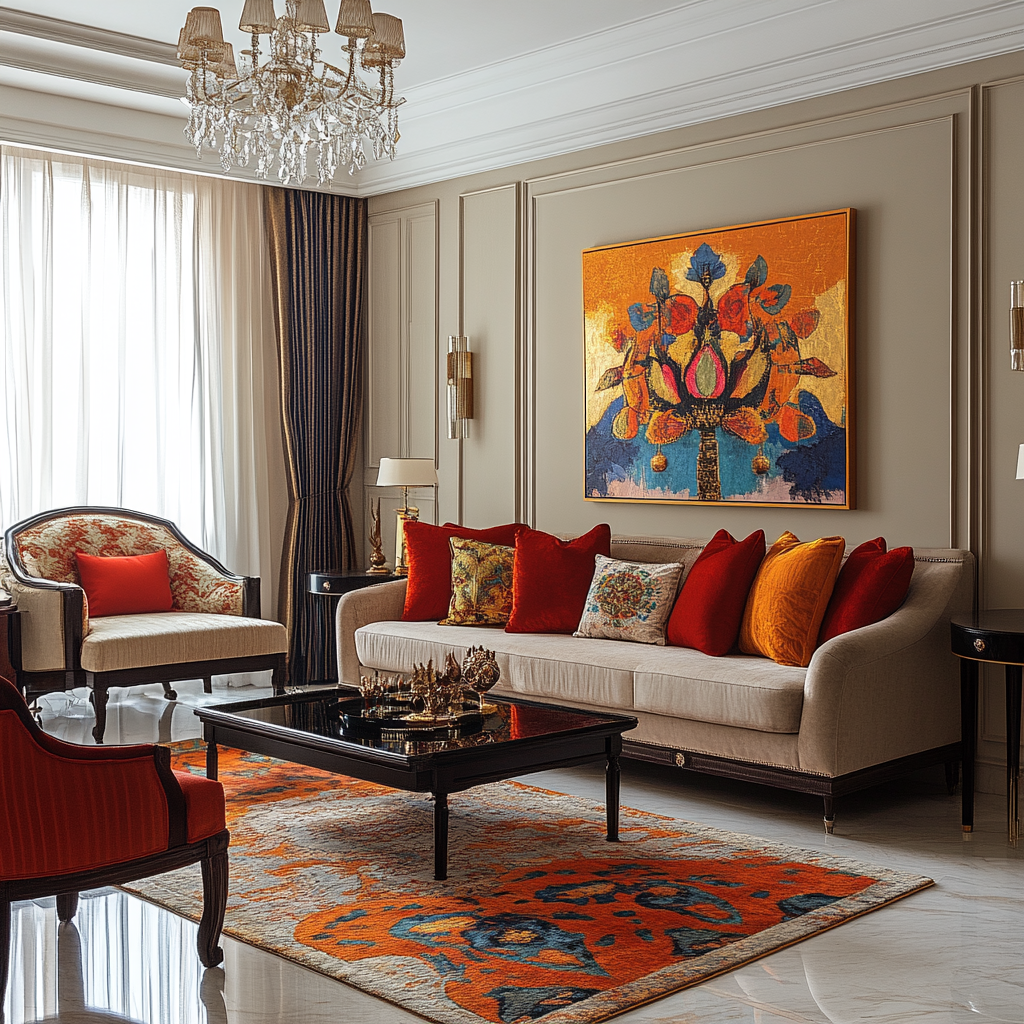
Once you are able to balance out the different elements in the space, a seamless and pleasant experience will be created. The key to sophisticated desi design is giving the eye places to rest. For every bold color choice, balance it with neutral elements.
If you choose a vibrant orange accent wall, pair it with white or cream furniture and natural wood elements. This prevents the space from feeling chaotic while still celebrating the richness of traditional colors.
Modern Applications of Traditional Hues
Contemporary interpretations of desi colors often involve using them in unexpected ways. Consider deep blue kitchen cabinets instead of traditional blue walls, or mustard yellow bar stools in a modern dining area. These applications honor tradition while feeling fresh and current.
For more inspiration on blending tradition with modern design, explore our other articles on Homebliss. Your journey to a beautifully balanced, culturally rich home starts with understanding the art of color!


