
Last updated on May 6th, 2024
In the constantly evolving world of home decor, navigating the vast seas of modern interior design trends can often feel overwhelming. With each year bringing a fresh wave of styles and aesthetics, it’s easy to lose sight of what makes each trend unique and how to effectively incorporate them into your living spaces.

This comprehensive guide seeks to demystify modern interior design, offering expert insights into the most celebrated decorating styles of today. From the understated elegance of Scandinavian design to the bold statements of maximalism, we dive into the core principles that define each trend and how they can transform your home.
The Essence of Scandinavian Simplicity

Scandinavian design, celebrated for its simplicity, functionality, and connection to the natural world, serves as a testament to the minimalist ethos. Originating from the Nordic countries, this style emphasizes the use of natural materials like wood, leather, and wool, creating warm, inviting spaces that reflect a deep appreciation for craftsmanship. The hallmark of Scandinavian design is its ability to foster a sense of hygge—a Danish concept denoting coziness and contentment—through uncluttered forms, light colors, and an overarching emphasis on comfort and practicality.
Minimalism: The Art of Less

Minimalism, with its roots deeply embedded in modern interior design, champions the idea of living with less. This style is defined by a clean, open, and functional space where every element serves a purpose. The rise of minimaluxe, a blend of minimalism with quiet luxury, underscores the trend’s enduring popularity, offering a tranquil retreat from the complexities of daily life. Incorporating minimalism into your home involves embracing monochromatic color schemes, streamlined furniture, and the thoughtful integration of technology, creating environments that are both aesthetically pleasing and intuitively organized.
For those intrigued by the nuanced elegance of minimalism, White Chocolate Minimalism: Your New Interior Design Crush! offers a deeper exploration into making this trend your own.
Industrial: The Raw Beauty of Function
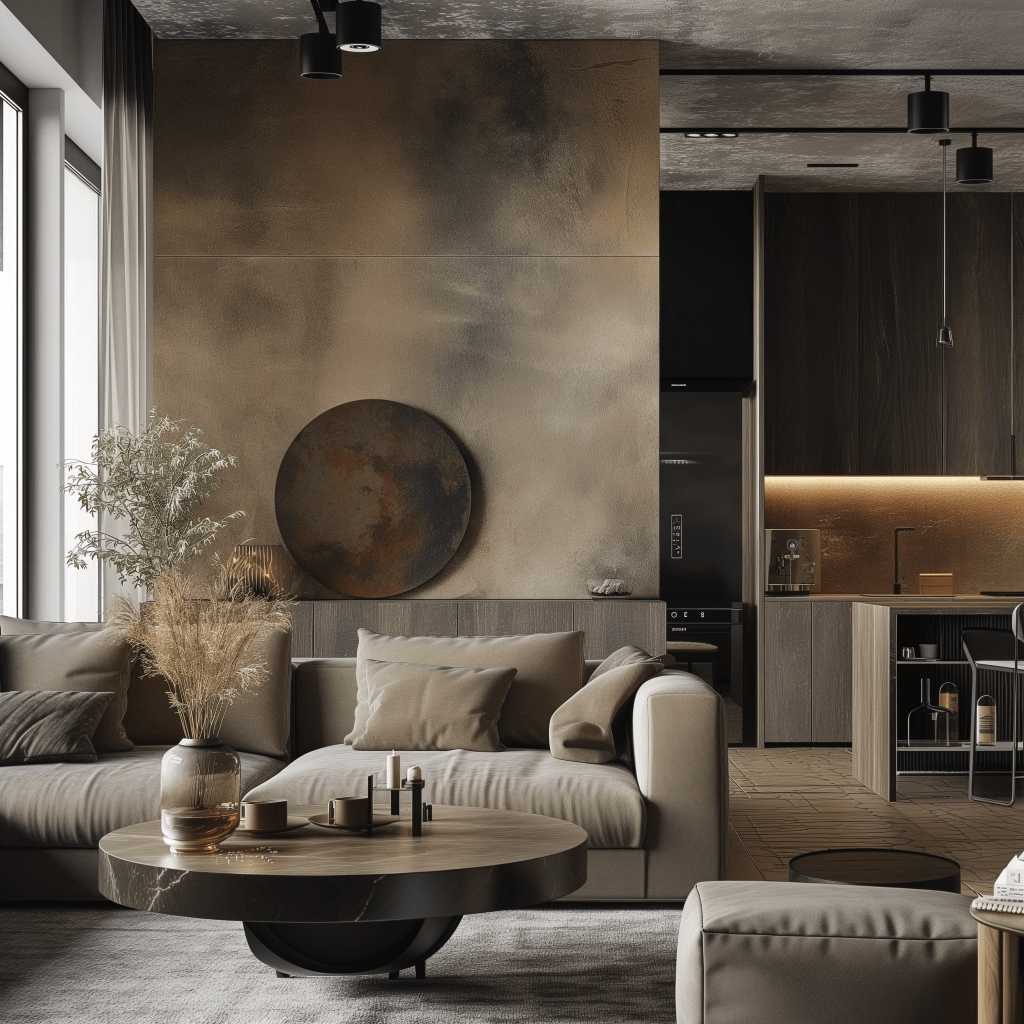
The industrial design trend draws inspiration from the raw, unpolished essence of warehouses and factories. Characterized by exposed brick, metal accents, and weathered wood, this style celebrates the beauty of unfinished elements. Whether it’s incorporating large, heritage windows or embracing the starkness of metal and stone, industrial design transforms spaces into showcases of history and resilience. The key to achieving this look lies in balancing rugged textures with soft furnishings and natural colors, ensuring the space remains warm and welcoming.
Modern Rustic: Blending Tradition with Contemporary Flair
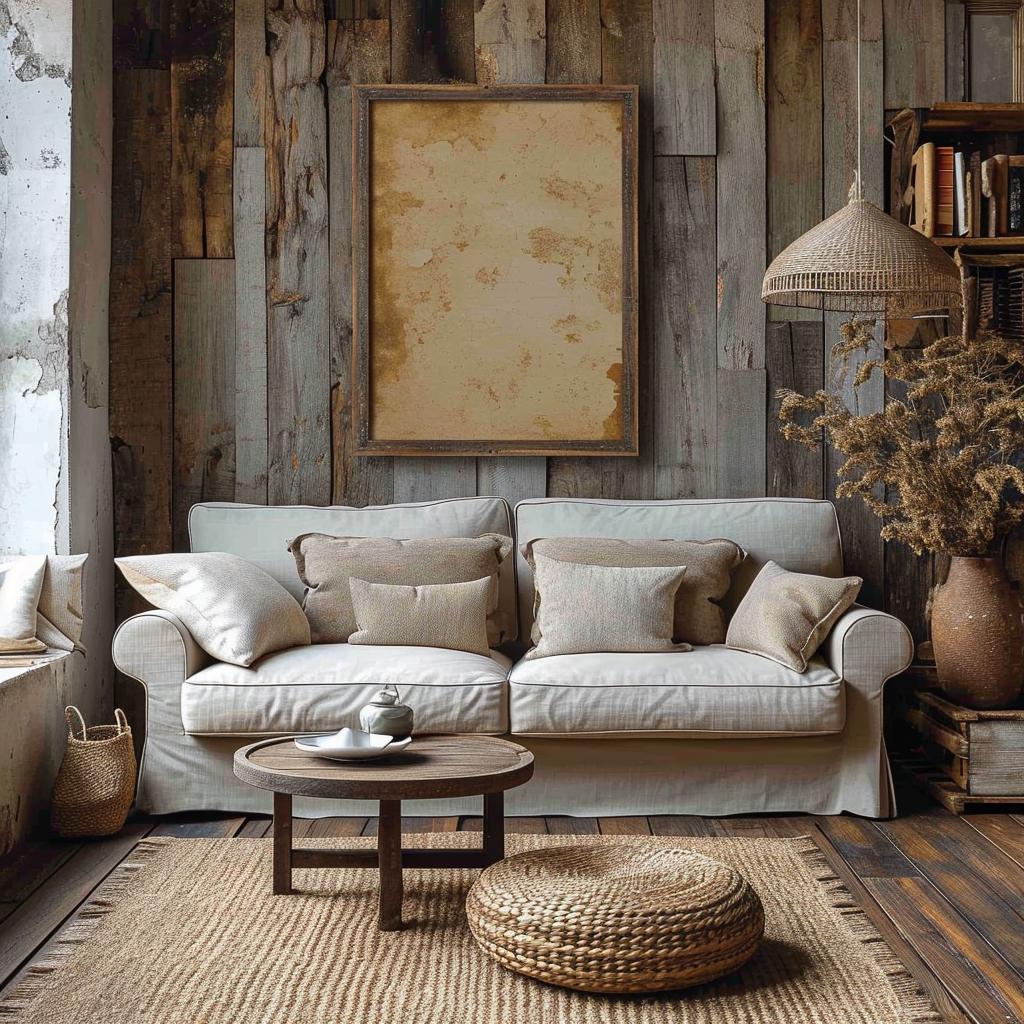
Modern rustic design marries the clean lines and functionality of modern aesthetics with the charm and warmth of rustic elements. This trend is perfect for those who appreciate the history and character of antique furniture yet crave the simplicity and practicality of contemporary design. Incorporating wood in its most natural form, whether through flooring, beams, or furniture, alongside vintage pieces, creates a space that feels both timeless and grounded.
Interiors in need of an upgrade?
Maximalism: A Celebration of Abundance
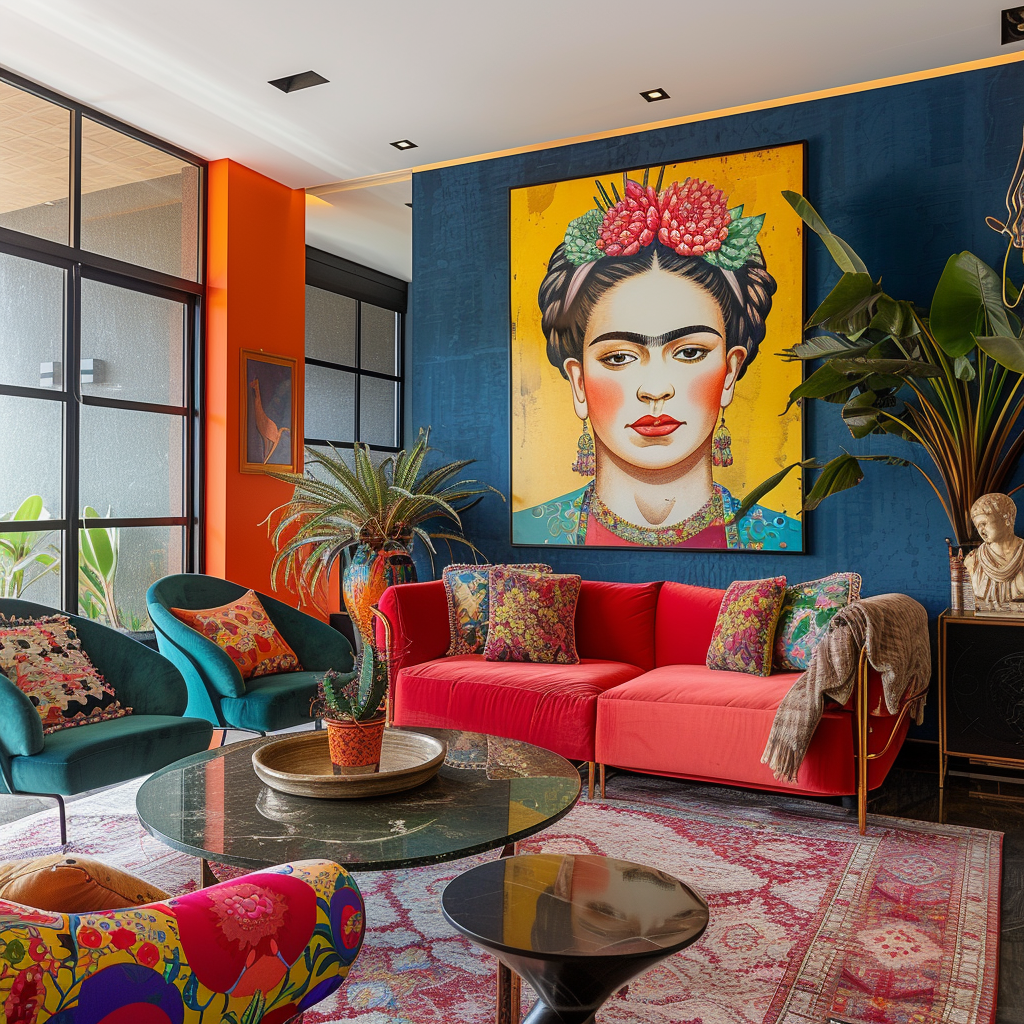
Maximalism invites you to embrace the richness of patterns, colors, and textures, offering a counterpoint to the restrained palette of minimalism. This trend is about layering—combining diverse elements in a way that expresses personality and vibrancy without tipping into chaos. Key to mastering maximalism is the strategic use of color to unify the space, allowing for an eclectic mix of modern and vintage, bold and subtle, without losing coherence.
Mid-Century Modern: The Legacy of Design for the People

Mid-century modern design, with its iconic furniture pieces and emphasis on functionality, remains a beloved trend. This style celebrates the innovations of the mid-20th century, emphasizing organic shapes, clean lines, and integration with nature. The timeless appeal of mid-century furniture, characterized by its slender legs and natural wood finishes, offers a versatile foundation for both contemporary and traditional interiors.
For a comprehensive comparison of modern and contemporary designs, and to better understand their distinctions, consider reading Interior Design Showdown: Modern Vs Contemporary – Who Wins?
Modern Glamour: Luxurious Living with a Twist
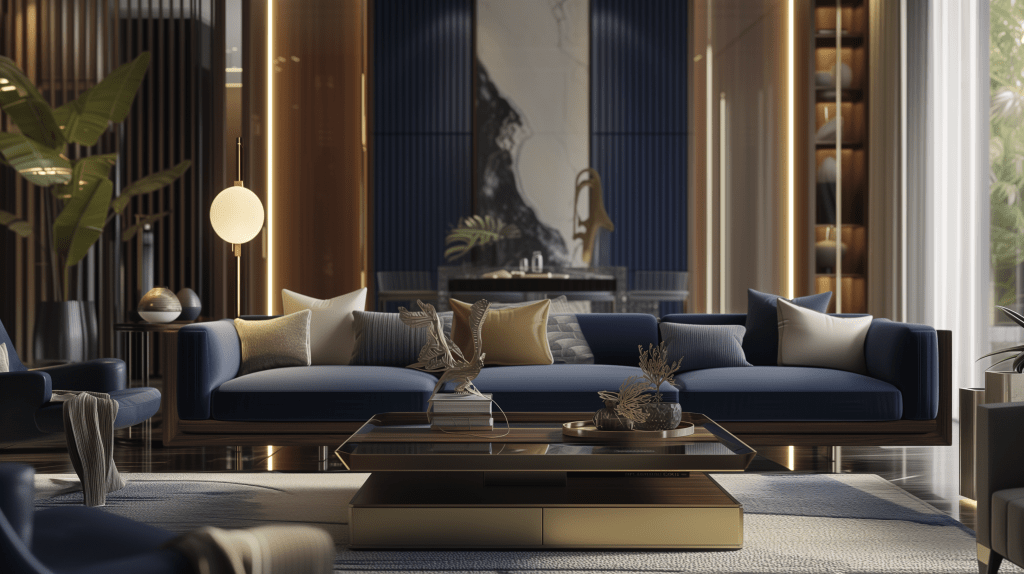
Modern glamour infuses spaces with luxury, color, and texture, drawing inspiration from the Art Deco movement and the opulence of old Hollywood. This trend is about making bold statements through furniture, art, and accessories, using a palette of rich colors complemented by metallic accents. Achieving modern glamour involves a delicate balance between high-end finishes and comfortable, livable spaces.
Transitional Design: Bridging the Old and the New
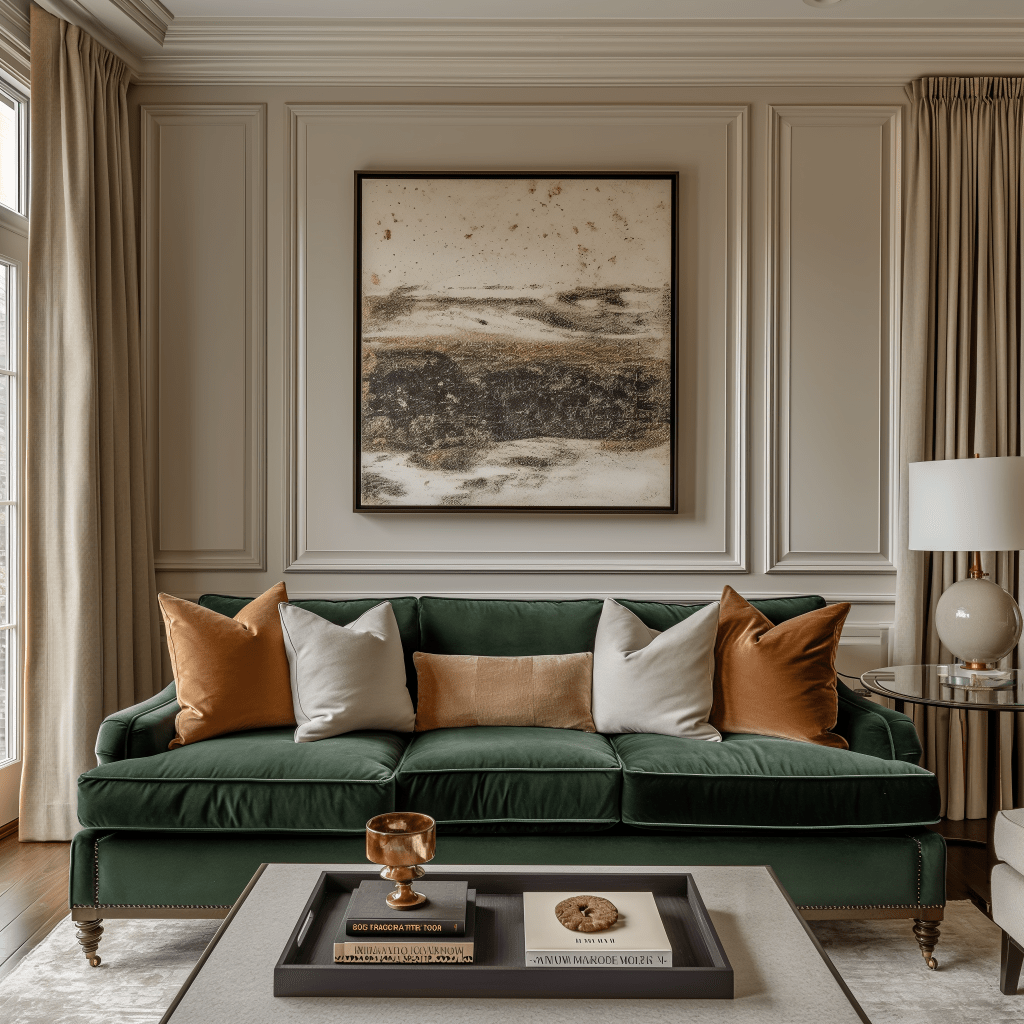
Transitional interior design seamlessly blends elements of traditional and contemporary styles, creating timeless spaces that cater to a wide range of tastes. This approach encourages a mix of modern simplicity with classic elegance, utilizing a neutral color palette, natural materials, and a blend of straight and curved lines. Transitional design offers a flexible framework for incorporating personal touches, making it an ideal choice for those who appreciate both the past and the present.
Modern Farmhouse: Rustic Charm Meets Contemporary Ease
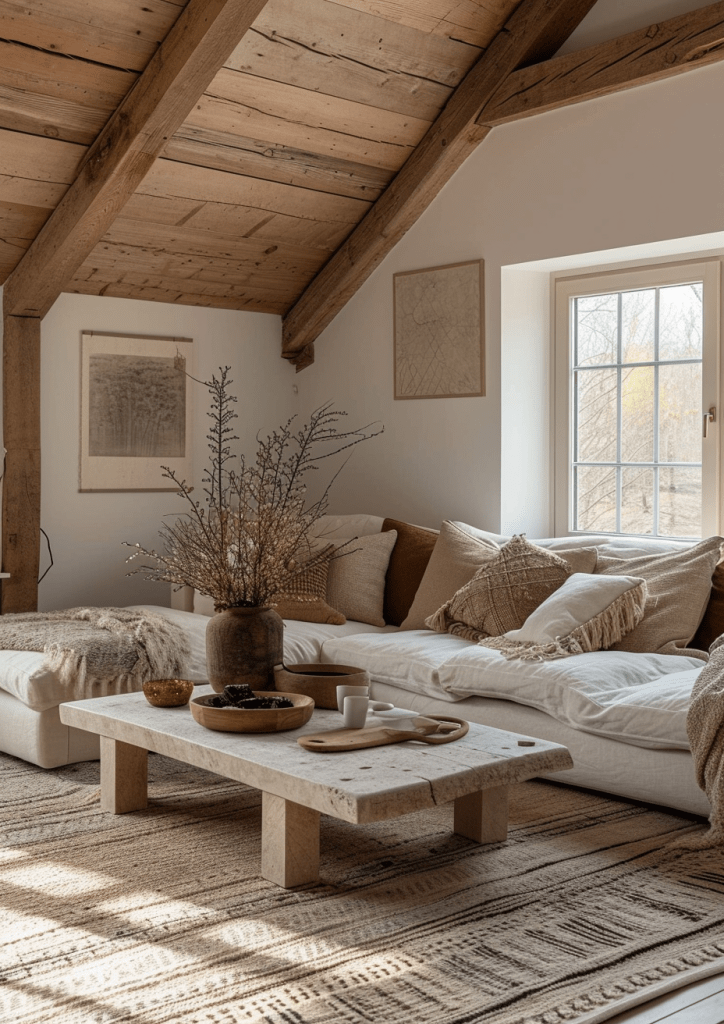
The modern farmhouse trend combines the rustic appeal of country living with the clean lines and functionality of modern design. Emphasizing comfort and casual living, this style features a mix of natural materials, neutral colors, and vintage accents. The modern farmhouse look is about creating spaces that feel both welcoming and stylish, embodying a sense of simplicity and warmth.
Navigating Modern Interior Design
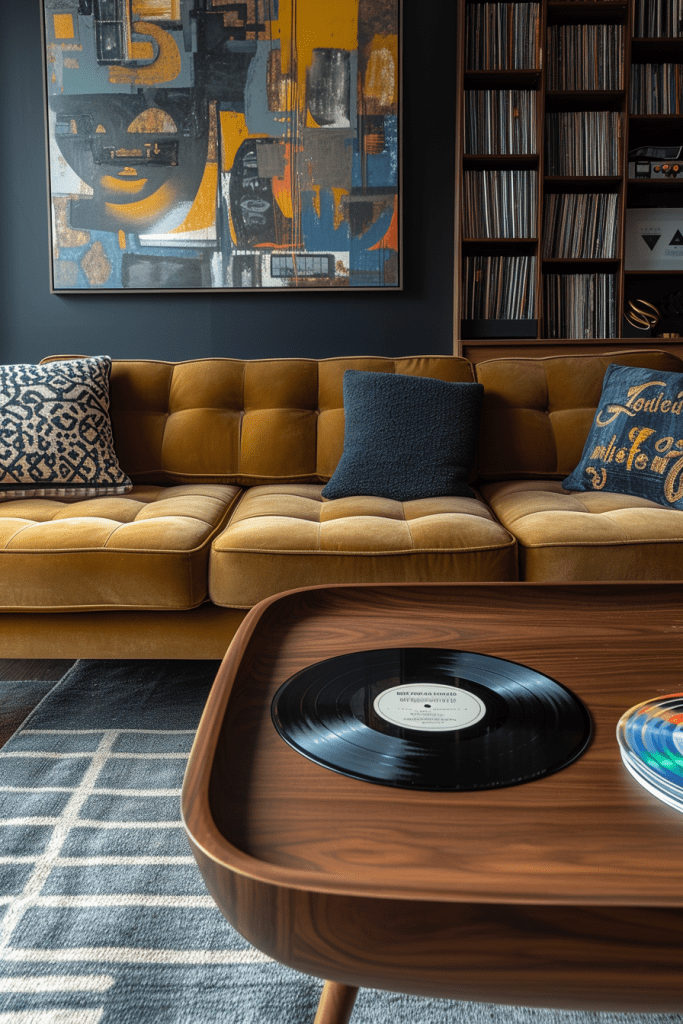
Modern interior design is not monolithic; it comprises a spectrum of trends, each with its own identity and philosophy. Whether you’re drawn to the minimalistic serenity of Scandinavian design, the textured richness of maximalism, or the balanced elegance of transitional styles, there’s a modern interior trend that resonates with your personal aesthetic. The key to successful interior design lies in understanding the core principles of each trend and thoughtfully integrating them into your space.
Last words
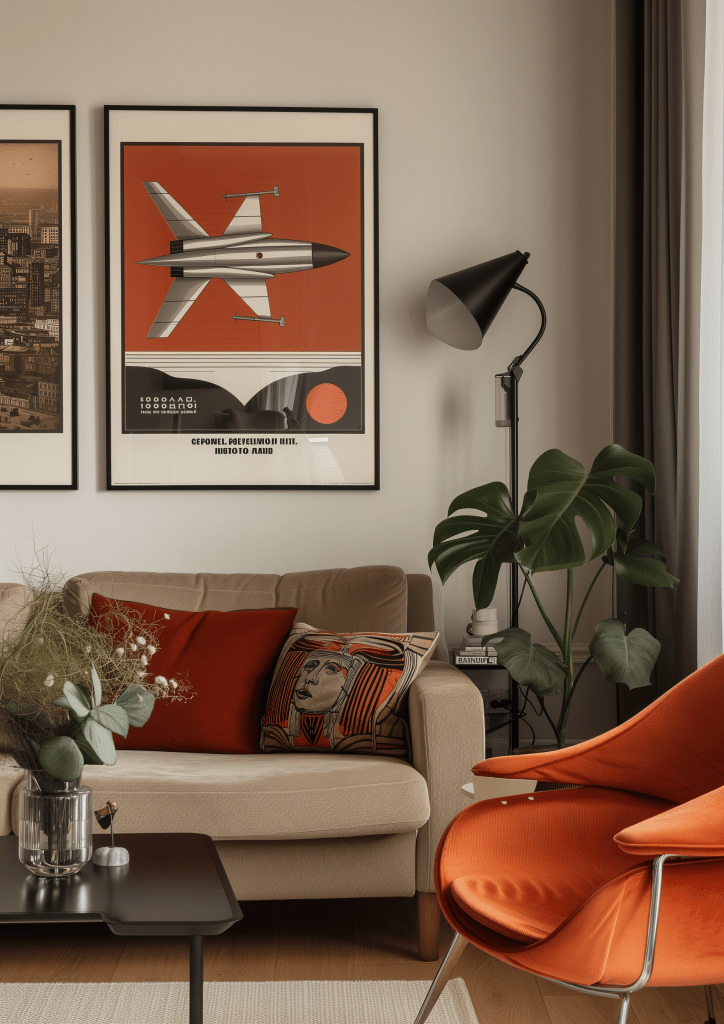
Exploring modern interior design trends reveals a world where personal expression, functionality, and aesthetic appeal intersect. Whether you’re renovating your home or simply seeking inspiration, these expert insights into modern decorating styles offer a roadmap to creating spaces that reflect your unique identity while embracing contemporary design principles.
For those curious about how some trends translate into real-life settings, Popular Interior Design Trends That Never Look As Good In Real Life provides a realistic perspective on the challenges and triumphs of applying these styles in everyday spaces.
For more inspiration, practical advice, and the latest trends in home decor, visit the Homebliss blog. Our extensive collection of articles, from practical how-tos to deep dives into design philosophies, provides valuable resources for anyone looking to enhance their living spaces with modern interior design.


