Last updated on January 15th, 2025
Every new year brings a fresh wave of home design trends that dominate our Pinterest boards and mood boards alike. But as new styles emerge, older trends are quietly shown the exit door. If you’re planning a home makeover in 2025, it’s essential to know which looks are out of fashion — and which ones are here to stay.
Some trends are timeless, while others age like yesterday’s leftovers. So, which design fads are we finally bidding farewell to? We’ve rounded up the interior trends we’re leaving behind in 2025. Some might surprise you, and some you might be ready to let go of. Either way, it’s time to say goodbye and make room for fresher, more inspiring styles.
Looking to get your interiors done?
1. Bye-Bye All-White Everything

For years, all-white interiors were hailed as “clean,” “modern,” and “timeless.” White walls, white furniture, white everything. While it had its moment of glory, 2025 is taking a hard pass on this clinical look.
Why it’s out:
–Feels too sterile: White-on-white rooms lack warmth and coziness, which many homeowners now crave.
–Hard to maintain: Unless you live in a spotless vacuum, it’s nearly impossible to keep an all-white home clean. Kids, pets, and coffee cups don’t mix with white sofas.
–No personality: Homeowners now want homes with color, depth, and character. Enter earthy tones, bold statement walls, and eclectic decor.
What’s replacing it:
–Earthy tones like terracotta, sage, and warm taupes.
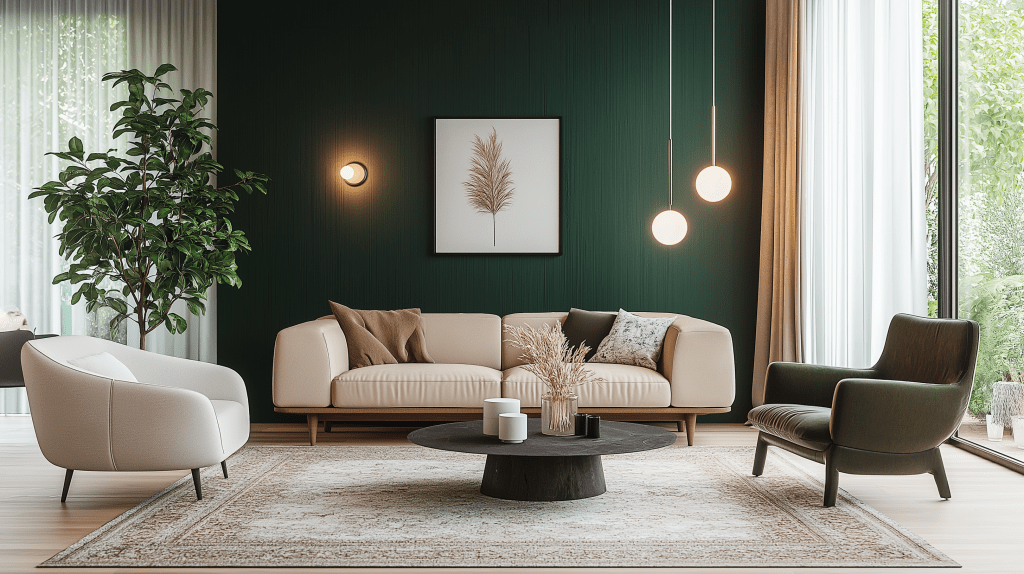
–Accent walls in deep jewel tones or playful pastels.
–Layered textures like woven rugs, wooden finishes, and cozy textiles.
Interiors in need of an upgrade?
2. Rethinking Open-Concept Spaces
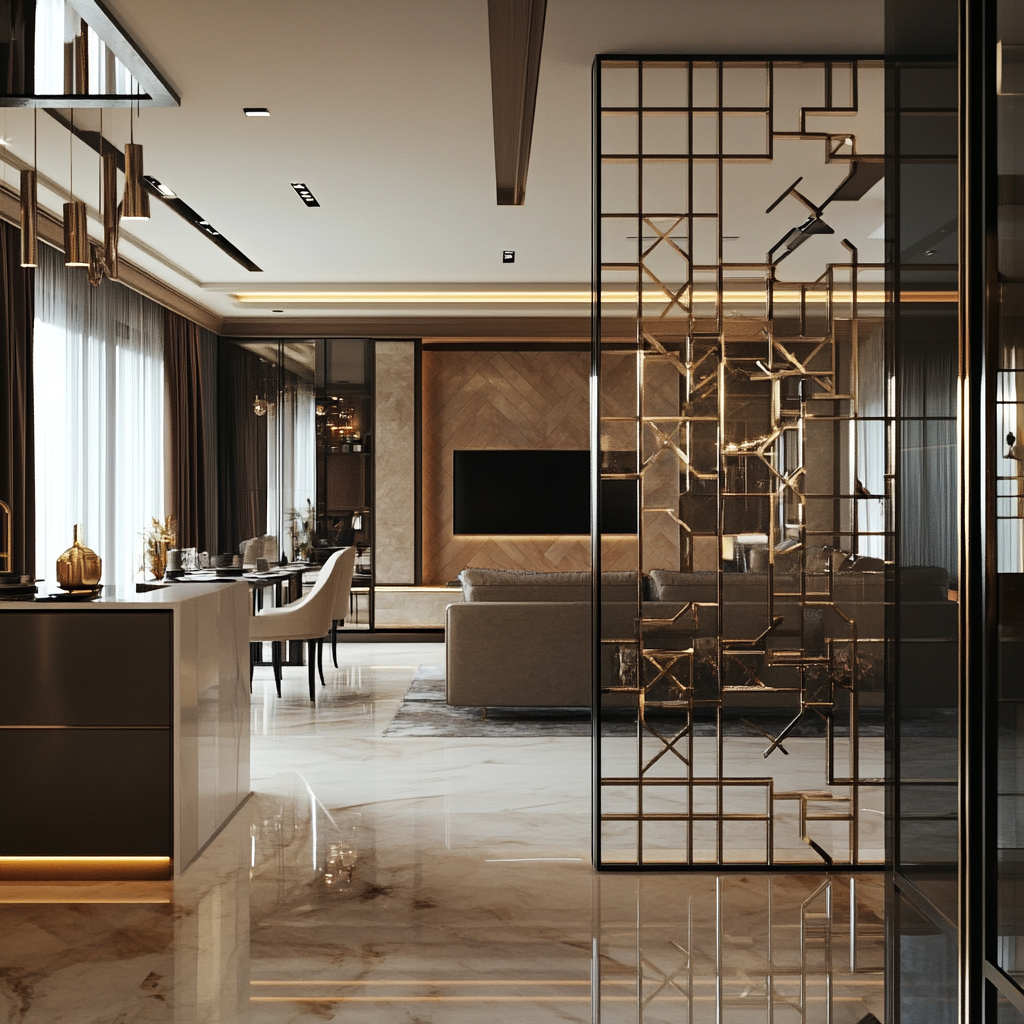
Open-concept layouts have ruled modern design for over a decade, and while they have their benefits, 2025 is all about cozy corners and private spaces.
Why it’s out:
–Lack of privacy: Working from home highlighted the need for quiet, private spaces.
–Acoustic issues: With open spaces, noise from the kitchen, TV, or conversations travels, making it hard to focus.
–Loss of distinct zones: People are craving homes with defined areas for relaxation, work, and play.
What’s replacing it:
–Broken-plan layouts using room dividers, sliding doors, or half-walls to create subtle separation.
–Cozy nooks for reading, work-from-home stations, or relaxation zones.
–Multipurpose rooms with furniture that adapts to different needs.
3. Minimalism (Yes, You Heard That Right)

If 2018-2022 was the era of “less is more,” then 2025 is all about “more is more” (but make it thoughtful). The stark, cold minimalism once loved by design purists is finally on its way out.
Why it’s out:
–Too sterile and cold: Minimalism often feels impersonal and empty.
–People want personality: With so much time spent at home, people want spaces that reflect who they are.
–Lack of texture: Minimalist homes with flat, plain surfaces don’t inspire the cozy, lived-in feel people now desire.
What’s replacing it:
Maximalist touches with bold patterns, layered textiles, and colorful accents.
“Lived-in” charm — think gallery walls, colorful bookshelves, and personal knick-knacks.
Texture overload with woven rugs, tufted furniture, and statement lighting.
4. Industrial Chic Is Losing Its Edge
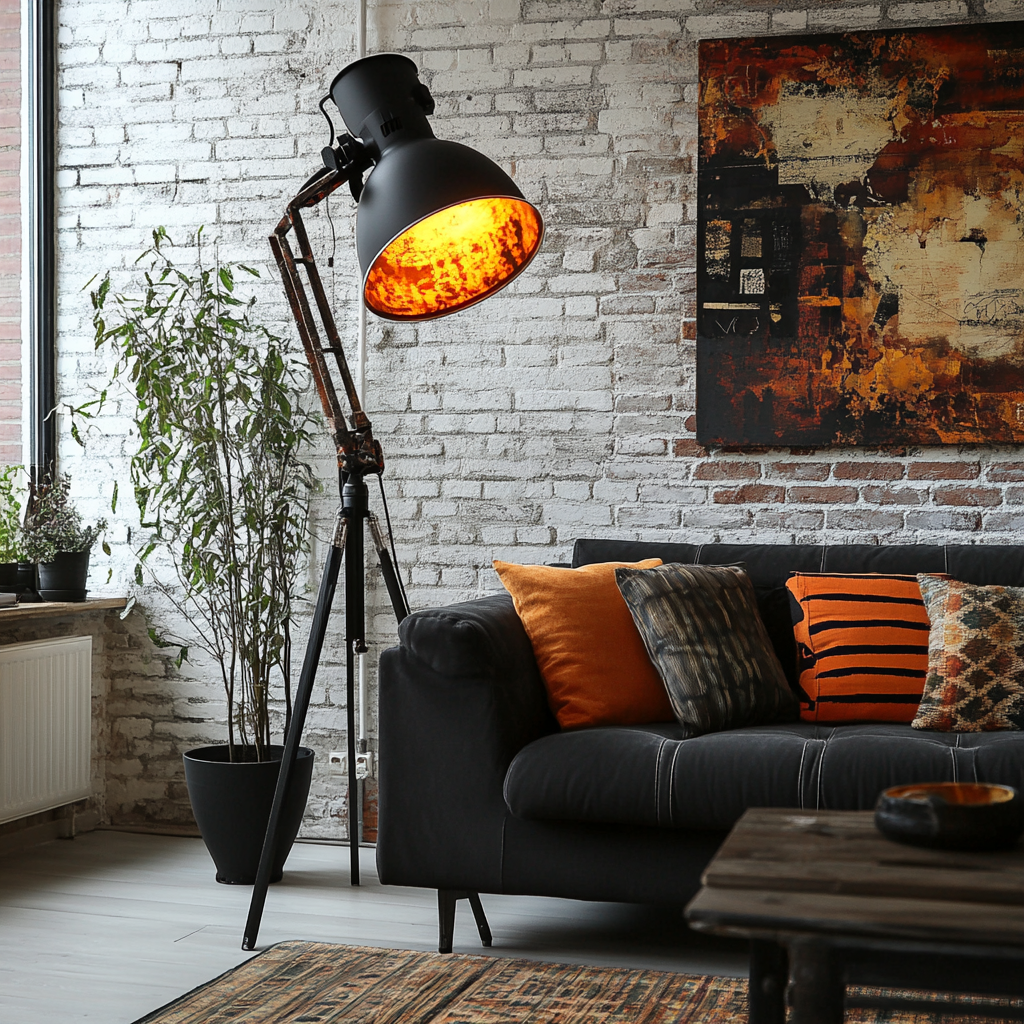
The exposed brick walls, raw concrete, and Edison bulbs that defined the industrial aesthetic are losing their stronghold on interior design.
Why it’s out:
–Too raw and cold: People want warmth, coziness, and softness in their homes.
–Overdone: The industrial look was everywhere for too long, and now it feels dated.
–The “warehouse” vibe: Unless you live in a converted loft, exposed brick can feel out of place in suburban homes.
What’s replacing it:
–Organic modern — think smooth, rounded furniture and natural wood finishes.
–Cozy chic with warm lighting, plush textures, and softer design elements.
–Nature-inspired elements like stone, wood, and plants.
Need to refresh your interiors?
5. Perfectly Coordinated Furniture Sets
Matchy-matchy furniture sets are a big no-no in 2025. Forget the “living room in a box” style where the sofa, chair, and coffee table are all perfectly identical. Eclectic, curated, and personalized spaces are the new trend.
Why it’s out:
–Cookie-cutter feel: These setups feel showroom-esque, not lived-in or personalized.
–No character: People want their homes to feel unique, not copy-pasted from a catalog.
–Eclectic is in: People now want to mix old with new, high-end with affordable, modern with vintage.
What’s replacing it:
–Curated collections of mismatched furniture that work together through color, material, or vibe.
–Mix-and-match styles — think mid-century modern dining tables paired with boho-style chairs.
–Personalized statement pieces like vintage thrift finds or upcycled decor.
6. Overly Formal Dining Rooms
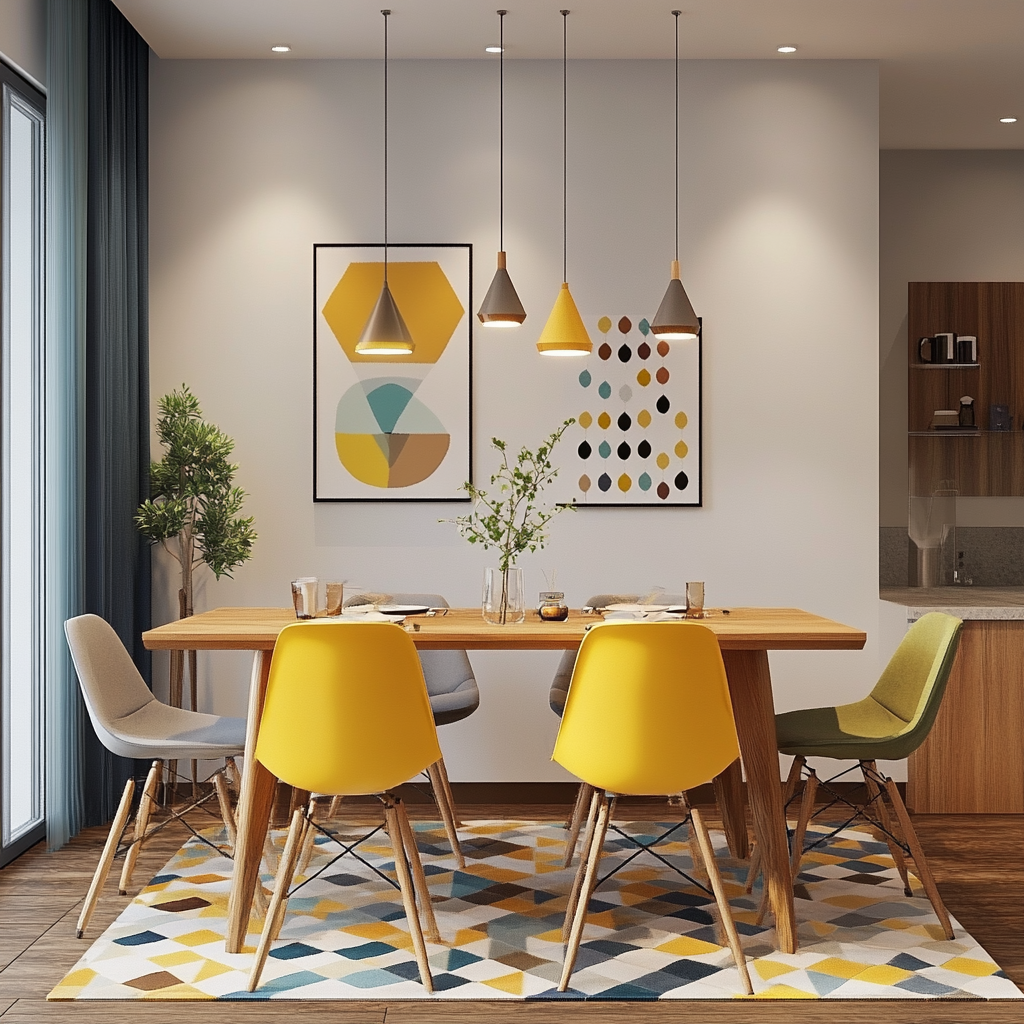
Gone are the days of the “do not touch” dining room reserved for special occasions. 2025 homes prioritize functional, flexible dining spaces that work for everyday life.
Why it’s out:
–Wasted space: Why reserve an entire room for once-a-year dinner parties?
–People want multi-functional spaces: Dining areas are now used for work, crafts, and family game nights.
–Not family-friendly: Kids and pets don’t mix well with ultra-formal dining setups.
What’s replacing it:
–Multipurpose dining rooms that double as workstations or hobby zones.
–Everyday casual dining with practical furniture that can be cleaned easily.
–Open-plan dining spaces that merge with the kitchen or living room for a family-friendly vibe.
Ready to Leave These Trends Behind?
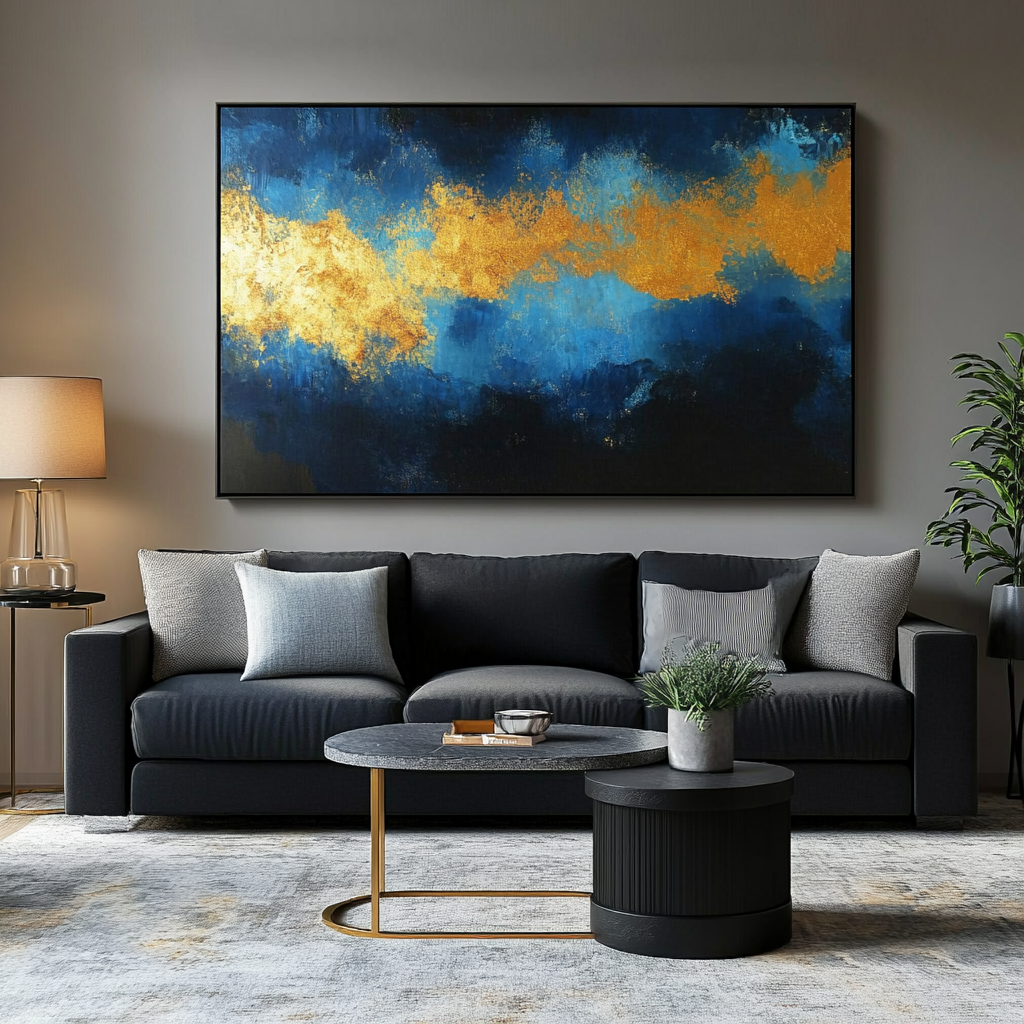
2025 is shaping up to be a year of cozy, personal, and authentic home design. We’re letting go of sterile all-white interiors, ditching matchy-matchy furniture, and embracing rooms that reflect our personal stories. From bold accent walls to cozy broken-plan layouts, the new trends are all about warmth, character, and individuality.
If you’re ready to give your home a 2025 refresh, check out the HomeBliss blog for more design inspiration. From the latest trends to DIY hacks, we’ve got everything you need to create a home that’s stylish, practical, and uniquely you.


