


Last updated on May 26th, 2026
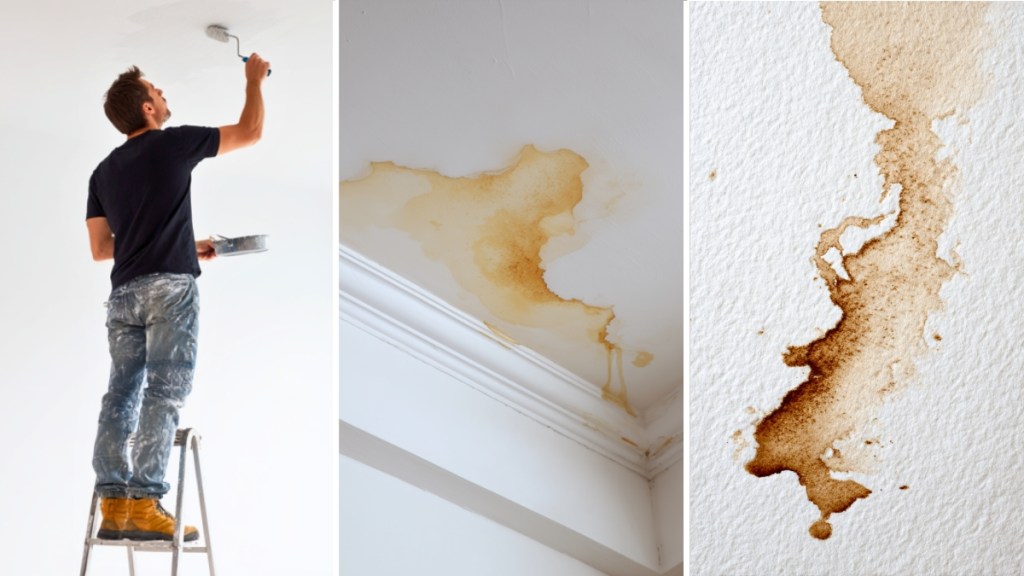
It usually starts small. A faint patch. A slightly darker spot. Something you notice once and then ignore because it doesn’t seem serious.
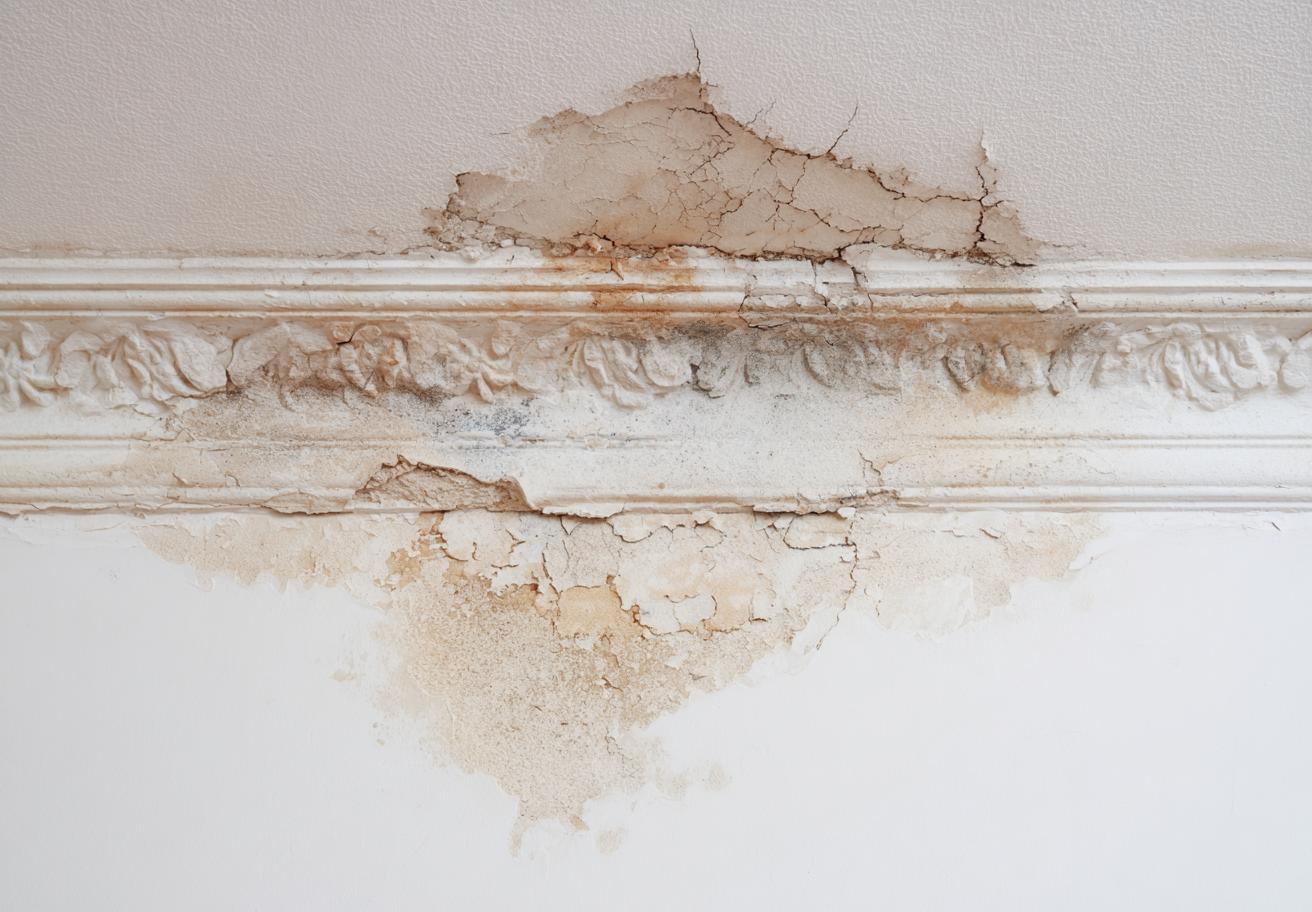
But ceiling stains rarely stay small. They’re often a sign that something is happening behind the surface—and it’s better to catch it early than deal with a bigger problem later.
A Leaky Roof Could Be The Cause

If the stain is on an upper ceiling, especially near corners or edges, your roof might be the issue. Rainwater can slowly seep in through cracks or damaged roofing, and over time, it shows up as a stain inside. You might not notice the leak directly, but the ceiling will.
The sooner you check this, the easier it is to fix before it spreads.
Looking to get your interiors done?
Bathroom Above? Check For Hidden Leaks
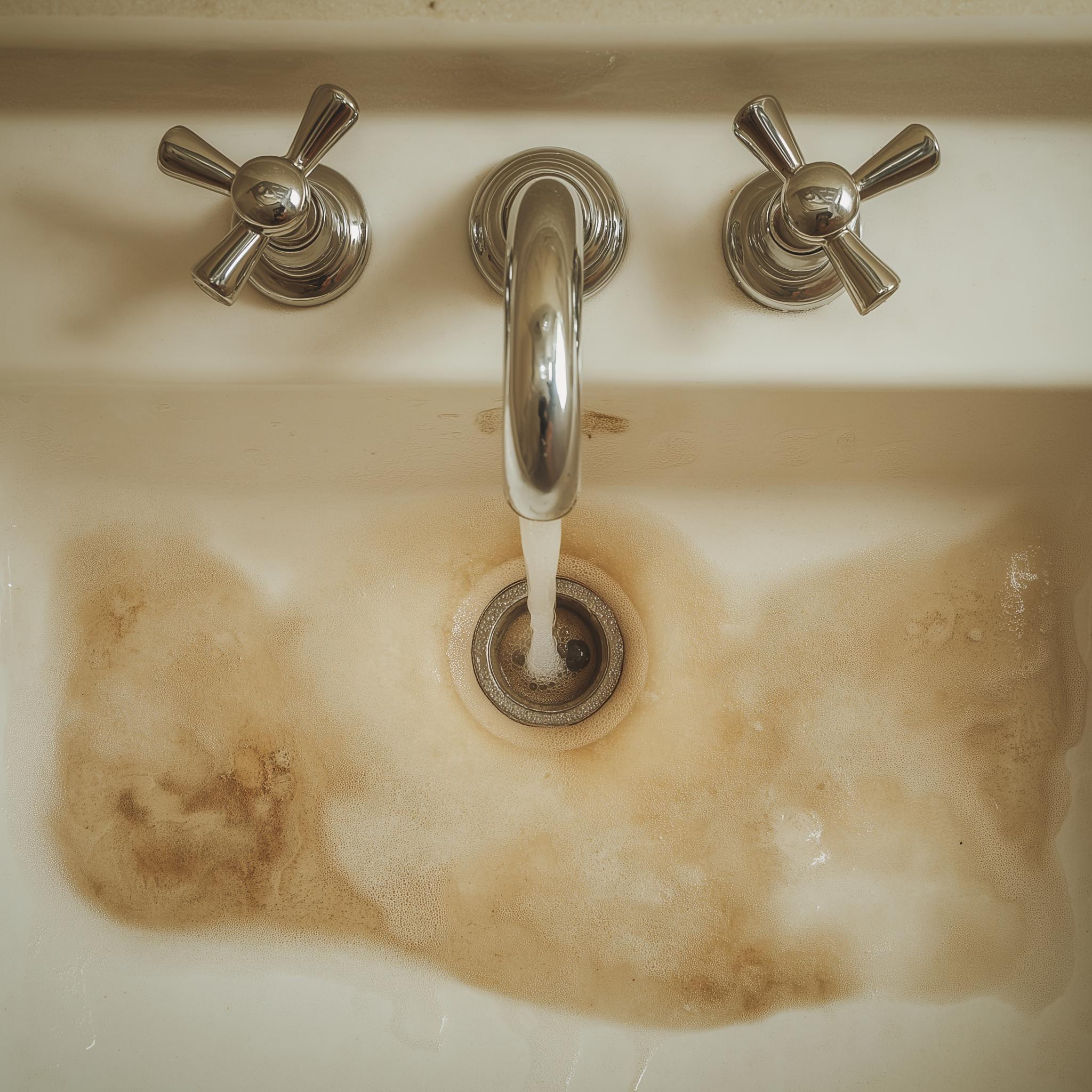
If there’s a bathroom above the stained area, that’s your first clue. Leaks from showers, sinks, or even poor waterproofing can travel downward and show up as ceiling marks. Sometimes, it’s not a constant leak—just slow seepage that builds over time.
Ignoring it can lead to bigger issues like damp patches or peeling paint.
Plumbing Pipes Might Be The Problem

Ceilings often hide pipes running between floors. A small crack or loose joint in a pipe can cause water to drip slowly. You won’t see the pipe—but you’ll see the result. The stain might grow, darken, or even feel slightly damp.
Again, plumbing or sanitary pipes that run along the outside walls of buildings might be leaking into the slab between floors, which can show up as a leak in your ceiling.
Looking to get your interiors done?
It Could Also Be Condensation Build-Up
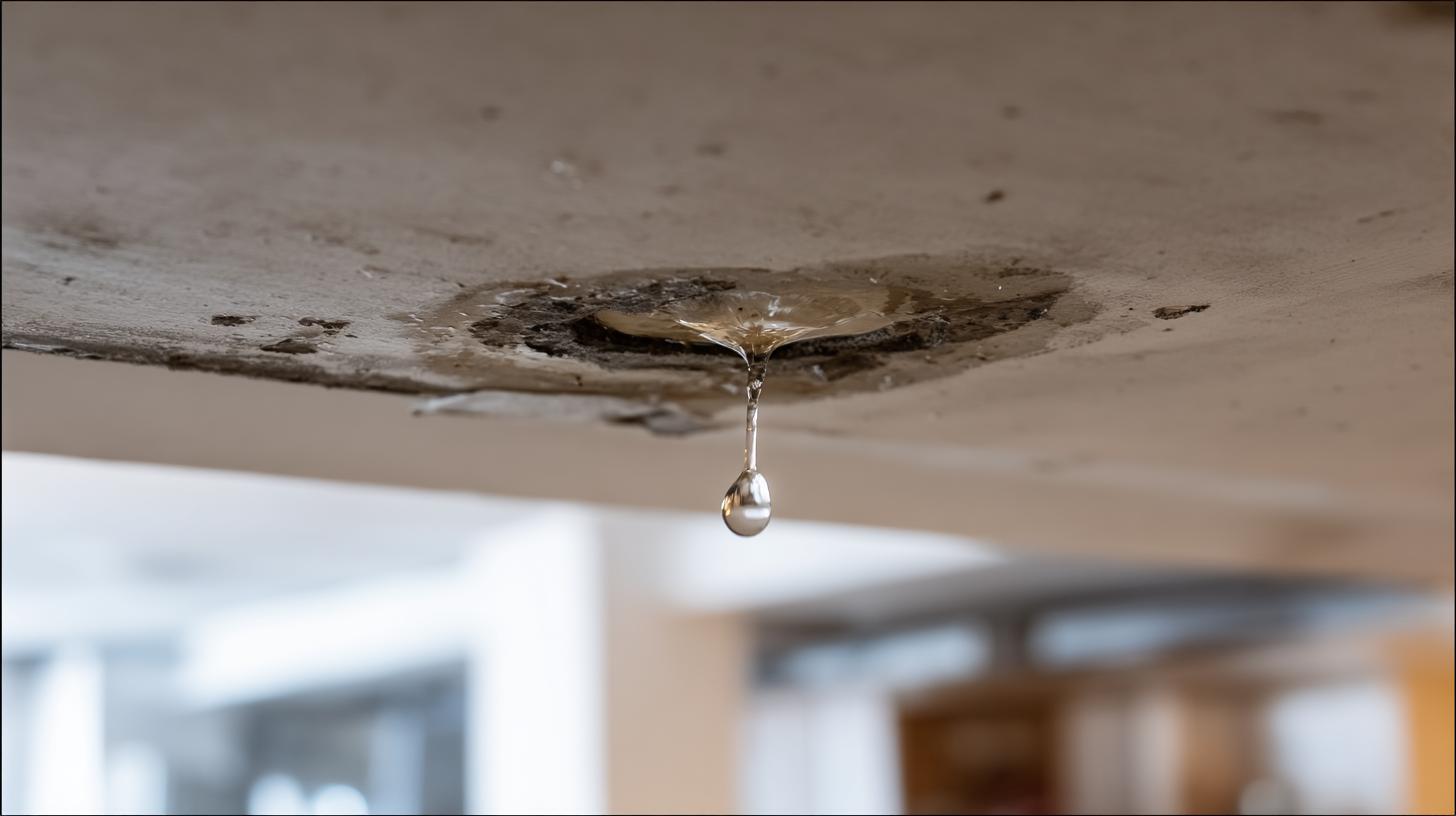
Not all ceiling stains come from a direct leak. In some homes, especially in humid areas or poorly ventilated rooms, condensation can slowly build up over time. Warm air rises, hits a cooler ceiling surface, and turns into moisture. This can leave behind faint patches that look like stains.
You’ll notice this more in bathrooms, kitchens, or rooms without good airflow. Improving ventilation—like using exhaust fans or opening windows regularly—can help prevent it from coming back.
Watch For Warning Signs
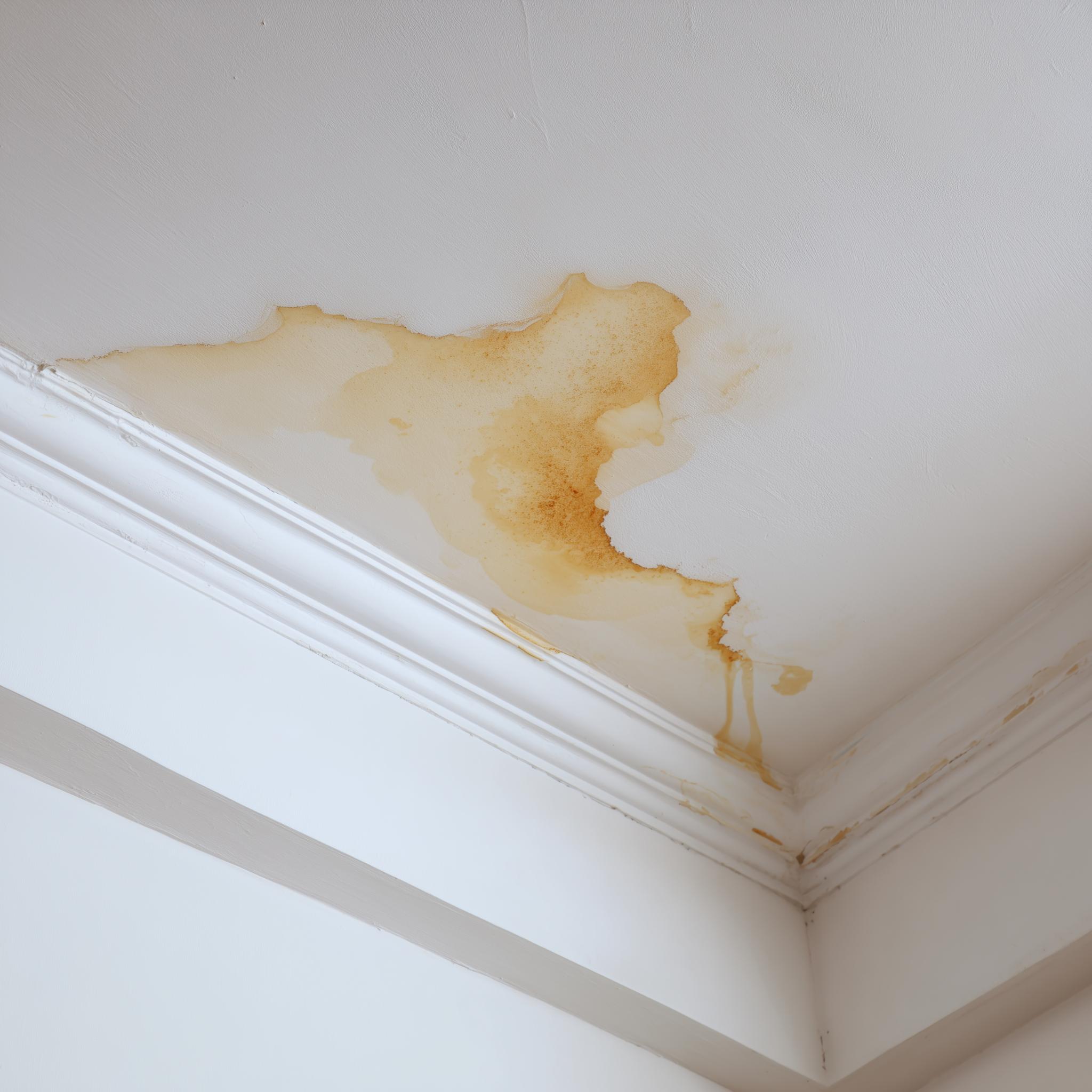
The stain itself is just the beginning. If you notice the color changing, the patch spreading, or the surface starting to bubble or peel, it’s a sign the moisture is still active. Sometimes, there may even be a slight musty smell.
That means it’s not just cosmetic anymore.
Looking to get your interiors done?
How To Fix It (The Right Way)

The biggest mistake is trying to cover it up. Painting over a stain without fixing the source only hides it temporarily. The stain will come back, often worse than before.
Start by identifying where the moisture is coming from. Fix the leak—whether it’s the roof, plumbing, or waterproofing. Once that’s sorted and the area is completely dry, then you can repaint or repair the surface.
Don’t Wait For It To Get Worse

Ceiling stains are one of those things that feel easy to ignore. But the longer you leave them, the more damage they can cause—both to your home and your time and budget later. A quick check now can save you a much bigger repair later!
The Real Takeaway

That small stain is doing its job—it’s warning you. Pay attention to it early, fix the source, and your home stays safe and stress-free.
At HomeBliss, we believe good homes aren’t just about how they look. They’re about catching problems early—before they become bigger than they need to be.