
Last updated on January 15th, 2025
When it comes to picking the right microwave for your kitchen, you might think it’s an easy decision. But with so many options available, finding one that suits your lifestyle, kitchen layout, and cooking needs can take a bit of consideration. Two popular styles—freestanding (or countertop) and built-in microwaves—each come with their own unique benefits and challenges.

Which one is the right fit for you? Let’s break down everything you need to know to make an informed decision.
Looking to get your interiors done?
The Freestanding (Countertop) Microwave

Freestanding microwaves, also known as countertop microwaves, are a staple in many homes due to their versatility and convenience. These units sit directly on your kitchen counter, making them the go-to option for renters, college students, or anyone looking for an easy-to-install solution. With no special installation required, you can simply plug it in and get cooking.
–Pros: Countertop microwaves are portable, easy to use, and often the most affordable option. You can move them around as needed or even take them along if you’re moving. This flexibility makes them a favorite for those who need temporary or adaptable kitchen setups.
–Cons: The biggest downside to countertop microwaves is that they take up valuable counter space. If your kitchen is small or you have limited prep room, it can make the area feel cramped and cluttered.
Interiors in need of an upgrade?
The Sleek Built-In Microwave

Built-in microwaves, as the name suggests, are integrated into your cabinetry, wall, or even under the counter for a seamless and sophisticated look. These units are all about style and functionality, blending effortlessly with your existing decor. Built-in microwaves free up your countertops and often come equipped with advanced features that enhance cooking efficiency.
–Pros: Built-in microwaves offer a clean, streamlined aesthetic that’s ideal for modern kitchens. Because they’re integrated into your cabinetry, they create a sleek and polished look. Additionally, built-in microwaves can be installed at a convenient height, such as eye level, making them easy to access without having to bend or reach awkwardly.
–Cons: Installing a built-in microwave requires professional help, which can be more expensive upfront. You also need to commit to a specific location, as these units cannot be moved once installed. The cost and effort of installation are something to consider, especially if you plan on remodeling your kitchen in the future.
Freestanding vs. Built-In Microwaves: Key Considerations
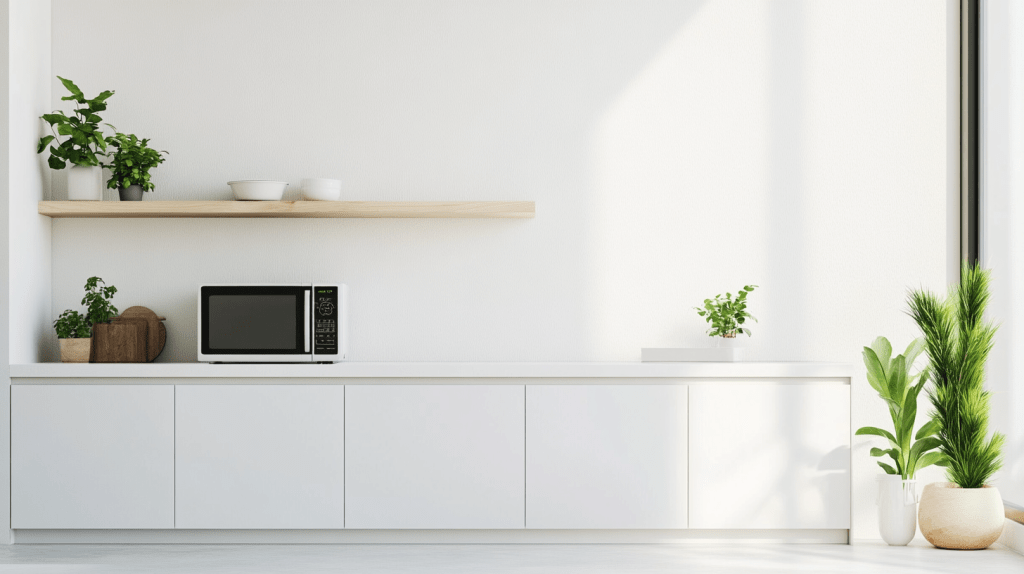
–Available Counter and Cabinet Space: One of the most important considerations when deciding between a freestanding and built-in microwave is the amount of space you have available. If you’re struggling with counter clutter or want to maximize prep space, a built-in microwave can be an excellent option. On the other hand, if you have ample counter space or prefer a portable solution, a freestanding microwave is a better fit.
–Flexibility and Portability Freestanding microwaves win hands-down when it comes to flexibility. You can move them anywhere, use them in temporary setups, or even pack them up when you relocate. Built-in models, however, are stationary and require a dedicated spot in your kitchen.
–Kitchen Design and Aesthetic Appeal If you’re focused on a modern or minimalist kitchen design, a built-in microwave offers a more cohesive and polished look. Freestanding microwaves are more visible and can sometimes clash with your kitchen decor, though they come in various styles and finishes that can blend well with your appliances.
–Installation Costs and Efforts A freestanding microwave requires no installation beyond plugging it in. Built-in models, however, often involve cabinetry work, which means additional installation costs. You’ll need to factor in these costs if you’re on a budget, as well as the potential need for professional installation services.
–Cooking Style and Usage Think about how you use your microwave on a daily basis. If your microwave plays a major role in your cooking flow, a built-in model placed at eye level might be more convenient. For those who use a microwave primarily for reheating leftovers or making quick meals, a freestanding model works just fine.
–Cleaning and Maintenance Built-in microwaves are often installed at eye or waist level, making them easier to clean without having to bend down. However, some freestanding microwaves offer easy-to-clean interiors with non-stick coatings and removable trays. Keep in mind that spills and splatters in built-in models may require more careful cleaning due to their fixed location.
–Accessibility and Safety For homes with children or individuals with mobility challenges, accessibility is a crucial factor. Built-in models can be installed at a height that’s convenient for all members of the household. Freestanding models, while more flexible, may not always offer this level of convenience.
Need to refresh your interiors?
Making Your Choice: Freestanding or Built-In?
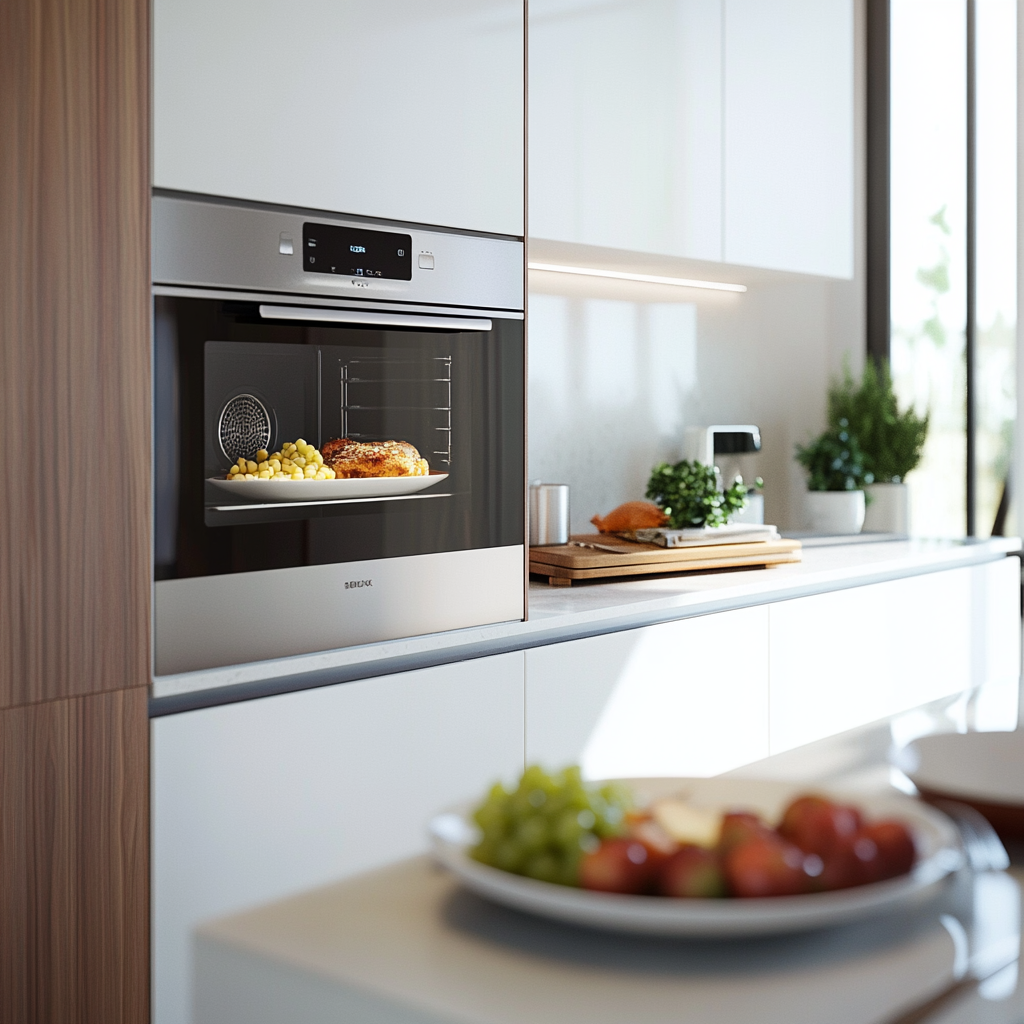
The decision ultimately comes down to your needs, space constraints, and personal preferences. If you’re looking for affordability, flexibility, and easy installation, a freestanding microwave might be your best bet. If you prioritize style, a cohesive kitchen design, and freeing up counter space, then a built-in microwave could be the way to go.
Conclusion
Whether you choose a freestanding or built-in microwave, each option brings its own set of advantages to the table. Your kitchen’s layout, available space, and lifestyle will ultimately dictate which type is right for you. Explore your options, consider your needs, and make a decision that works best for your home. For more kitchen tips, design inspiration, and appliance guides, visit the Homebliss blog.


