


Last updated on November 3rd, 2026
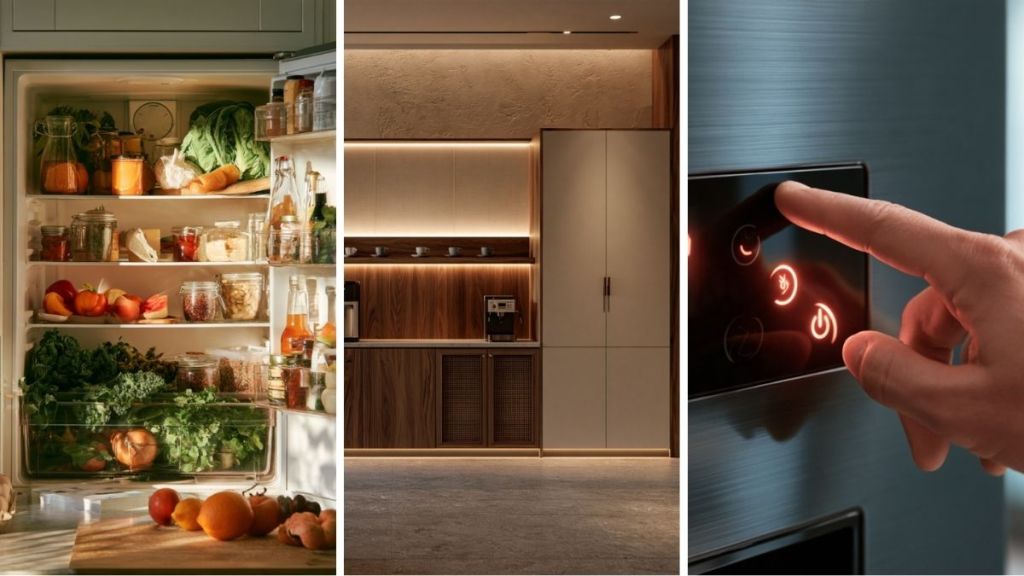
Milk going bad suspiciously fast? Vegetables emerging from the fridge with icy patches? Your refrigerator might be trying to tell you something.
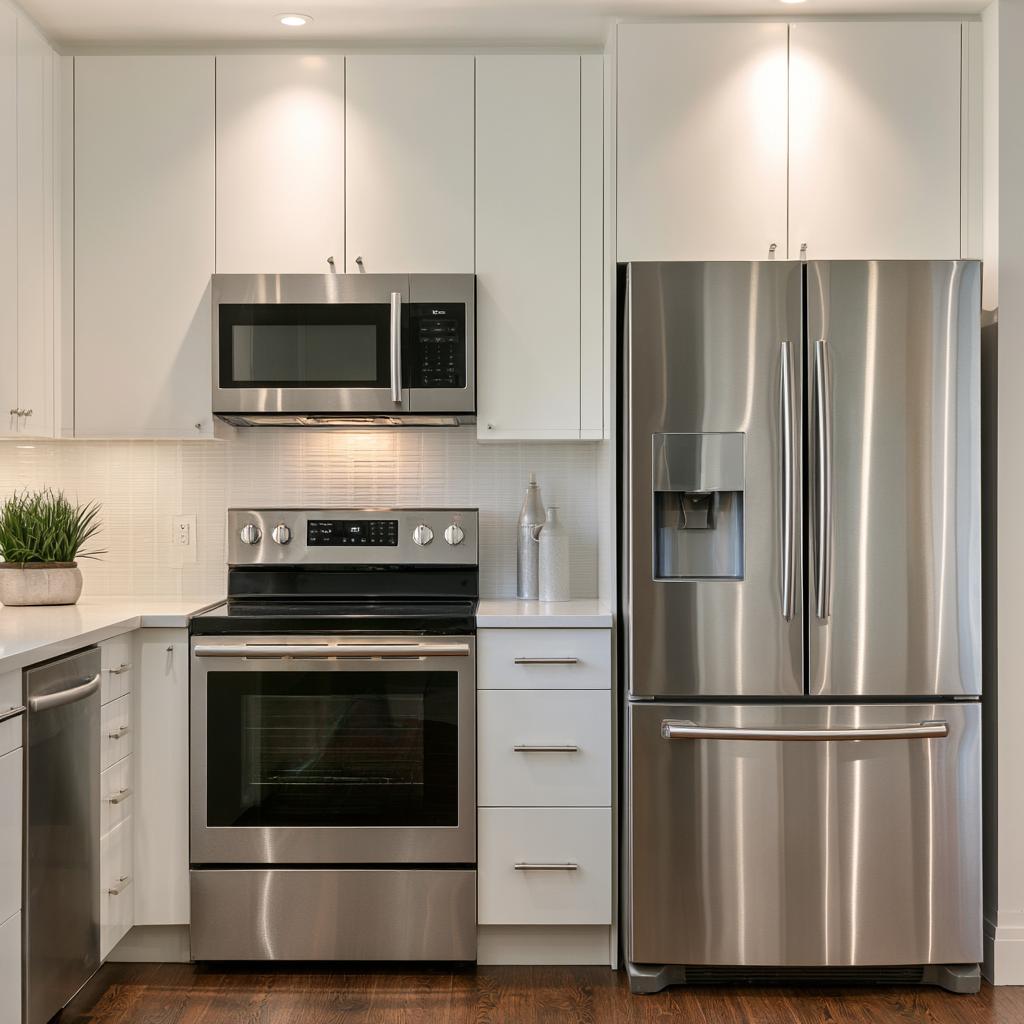
We tend to set the temperature once and forget about it. But a fridge that’s too warm can affect food safety, while one that’s unnecessarily cold can freeze food and make the appliance work harder.
Here’s how to find that sweet spot.
First, Check That Temperature
Cool is good. Arctic isn’t!
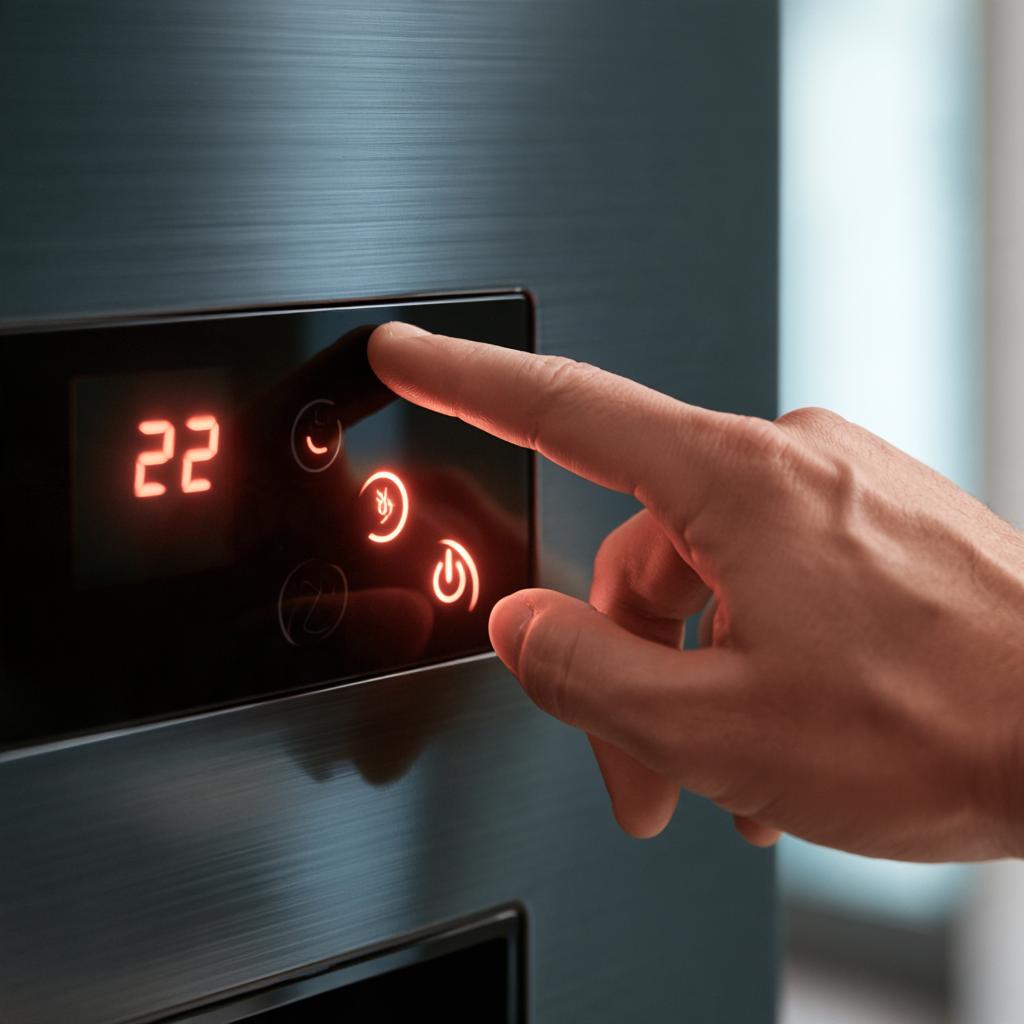
Your refrigerator should generally stay between 1.7°C and 4.4°C (35°F to 40°F), while the freezer should be around -18°C (0°F). Food can begin freezing at 0°C, so turning your fridge down as far as possible isn’t necessarily better.
If your model has a digital display, checking is easy. Otherwise, an inexpensive refrigerator thermometer can tell you what’s really happening inside.
Looking to get your interiors done?
Watch What Your Food Is Telling You

Your leftovers may be better detectives than you are!
Frequent spoilage, food that feels warmer than expected, frozen patches, excessive condensation, or frost inside the refrigerator can all suggest that something isn’t right.
Another clue? A fridge motor that seems to run constantly or an unexplained increase in electricity consumption.
Don’t simply turn the dial up or down immediately. First check whether something else is causing the problem.
Stop Stuffing Every Available Inch

Your fridge needs breathing room too!
A packed refrigerator might feel satisfyingly organized after a big grocery run, but cold air needs room to circulate.
Avoid pushing containers tightly against vents or squeezing food into every gap. Clear out expired sauces, forgotten leftovers, and vegetables that have seen better days.
That said, an almost-empty refrigerator isn’t ideal either. Aim for comfortably stocked rather than bursting at the seams.
Looking to get your interiors done?
Put Food In The Right Places
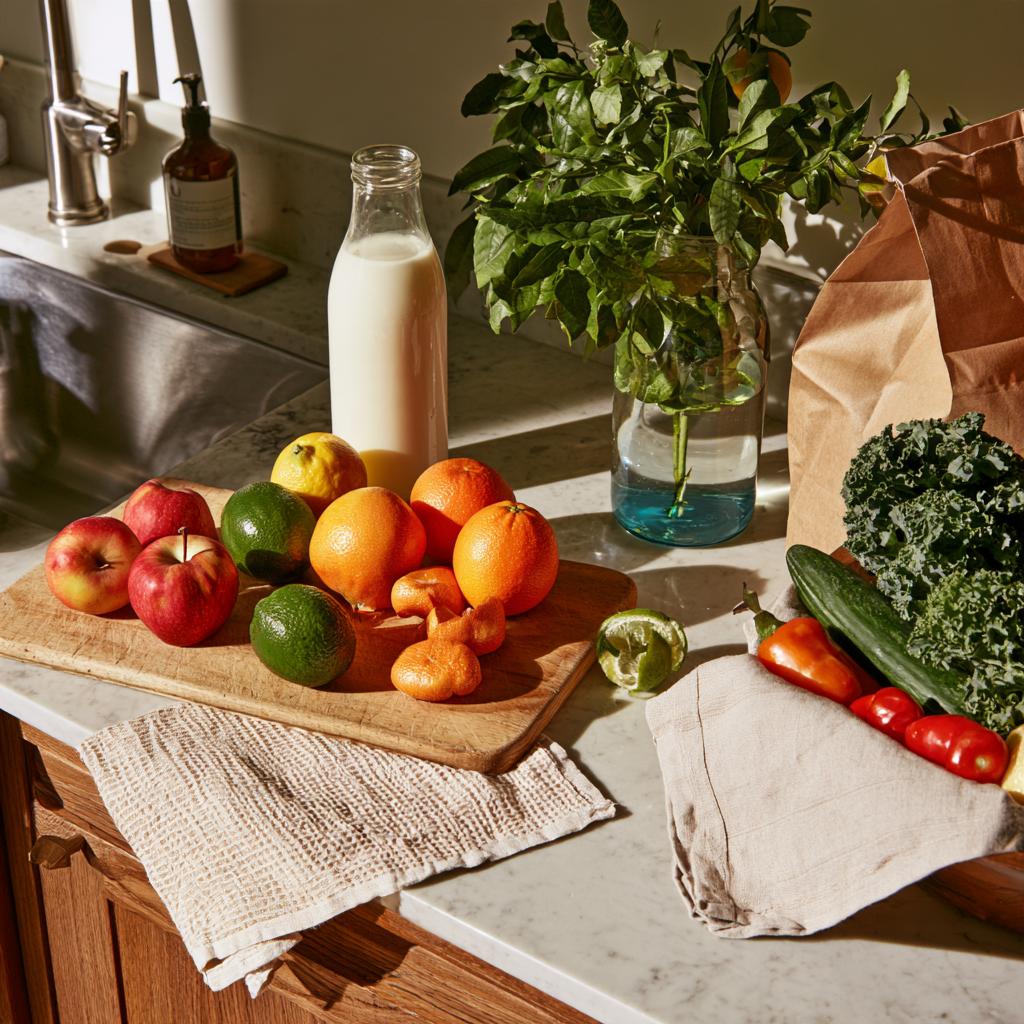
Not every shelf is equally chilly!
The back of the refrigerator tends to be cooler than the front and door area. That makes the door better suited to less perishable items such as condiments and juices rather than foods that need reliably colder conditions.
And if things are freezing at the back, don’t push containers right up against the coldest surfaces or block air vents.
A little strategic rearranging can make a surprising difference.
Don’t Leave Leftovers Sitting Around

Dinner shouldn’t spend the evening on the countertop!
Leftovers should be refrigerated promptly rather than waiting for them to become completely cold. Large quantities can be divided into smaller, shallow containers so they cool faster.
This is particularly worth remembering during hot Indian summers, when food left outside can warm up quickly.
Looking to get your interiors done?
Find Your Fridge’s Happy Place
You don’t need your refrigerator to be as cold as possible. You need it to stay consistently cold enough to keep food safely chilled without accidentally turning your tomatoes into ice cubes.
Check the actual temperature, give cold air room to circulate, organize food thoughtfully, and pay attention when your fridge starts behaving differently.
At HomeBliss, we love small household fixes that make everyday life run a little more smoothly. Keep exploring the HomeBliss blog for clever kitchen tips, organizing ideas, and simple solutions that help your home work better.