
Last updated on September 13th, 2024
Keeping your kitchen countertops spotless can sometimes feel like a daunting task, especially when different materials require different care. But don’t worry! With a few simple tips and tricks, you can ensure your kitchen surfaces stay clean, shiny, and looking brand new.
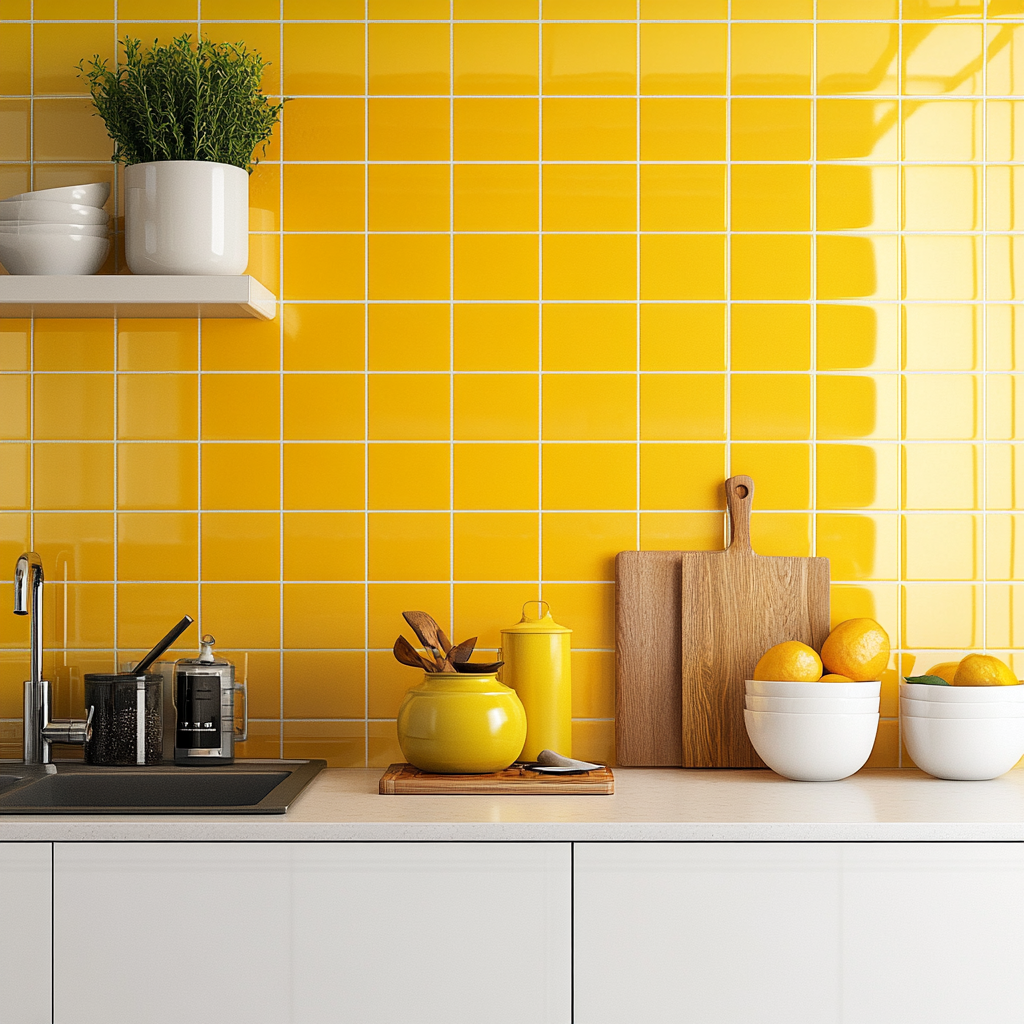
Ready to become a cleaning pro? Let’s dive into the ultimate guide on how to clean various types of kitchen countertops like a boss!
Looking to get your interiors done?
Granite Countertops: Keep Them Gleaming!

Granite countertops are a popular choice due to their durability and stunning appearance. However, maintaining their shine requires a bit of extra care.
–Cleaning Tips: Start by wiping the surface with warm, soapy water. Avoid using abrasive cleaners or scrub pads, as they can scratch the surface. For disinfecting, use a mild bleach solution, but make sure to test it in a hidden area first.
–Stain Removal: For stubborn stains, make a paste of baking soda and water. Apply this to the stain and scrub gently with a soft brush. You might need to repeat this process a few times for tough stains.
–Sealing Granite: Sealing granite countertops periodically can prevent stains and make daily cleaning easier. Use a sealer specifically designed for stone surfaces to maintain that flawless finish.
Interiors in need of an upgrade?
Laminate Countertops: Simple and Sleek
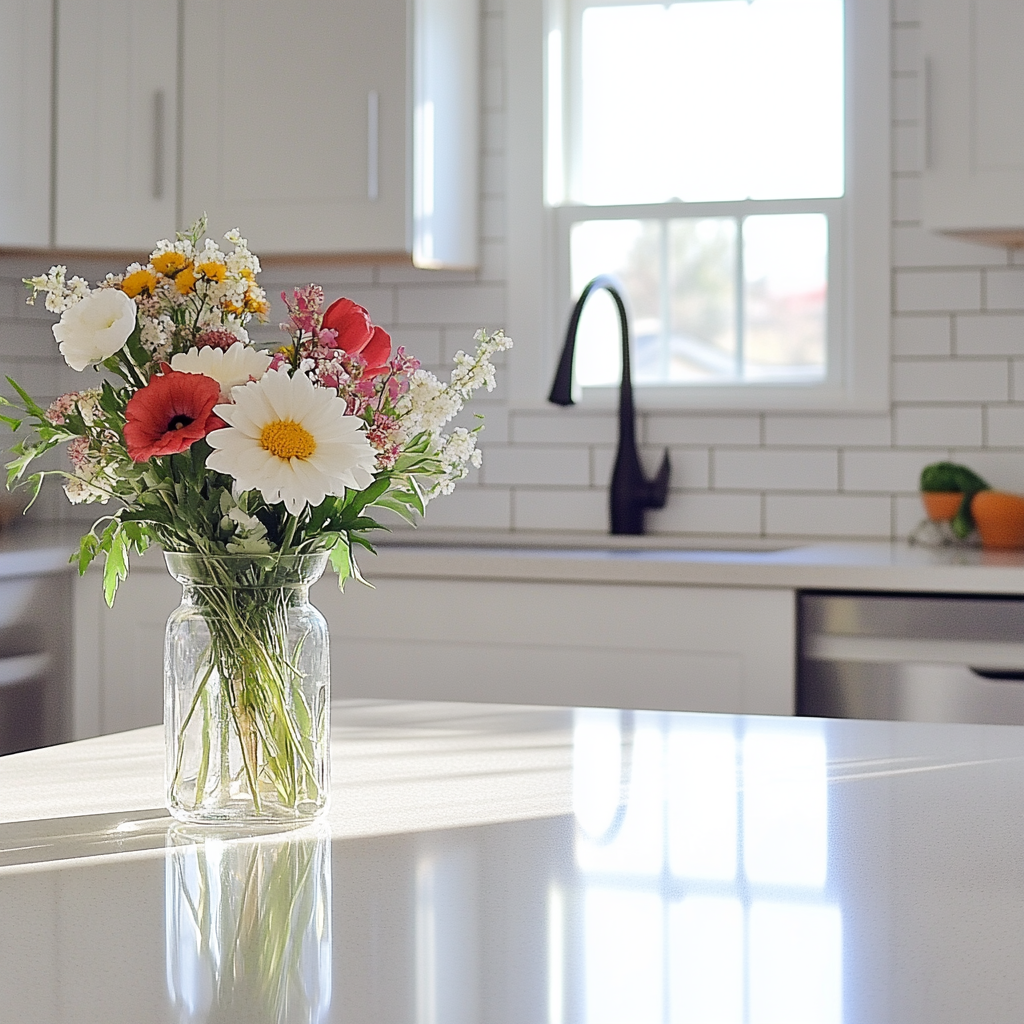
Laminate countertops are known for their affordability and ease of maintenance, but they can still suffer from stains and scratches if not properly cared for.
–Cleaning Tips: Clean laminate countertops with warm, soapy water or a non-abrasive kitchen cleaner. Avoid stiff-bristled brushes or abrasive pads, as these can cause scratches.
–Stain Removal: For greasy or sticky spots, use a mixture of vinegar and water. If the stain persists, apply a paste of baking soda and water, let it sit, then rinse thoroughly.
–Sealing Not Required: Unlike other materials, laminate doesn’t need sealing, which makes it one of the easiest surfaces to maintain.
Stone Countertops: Limestone, Slate, and Soapstone
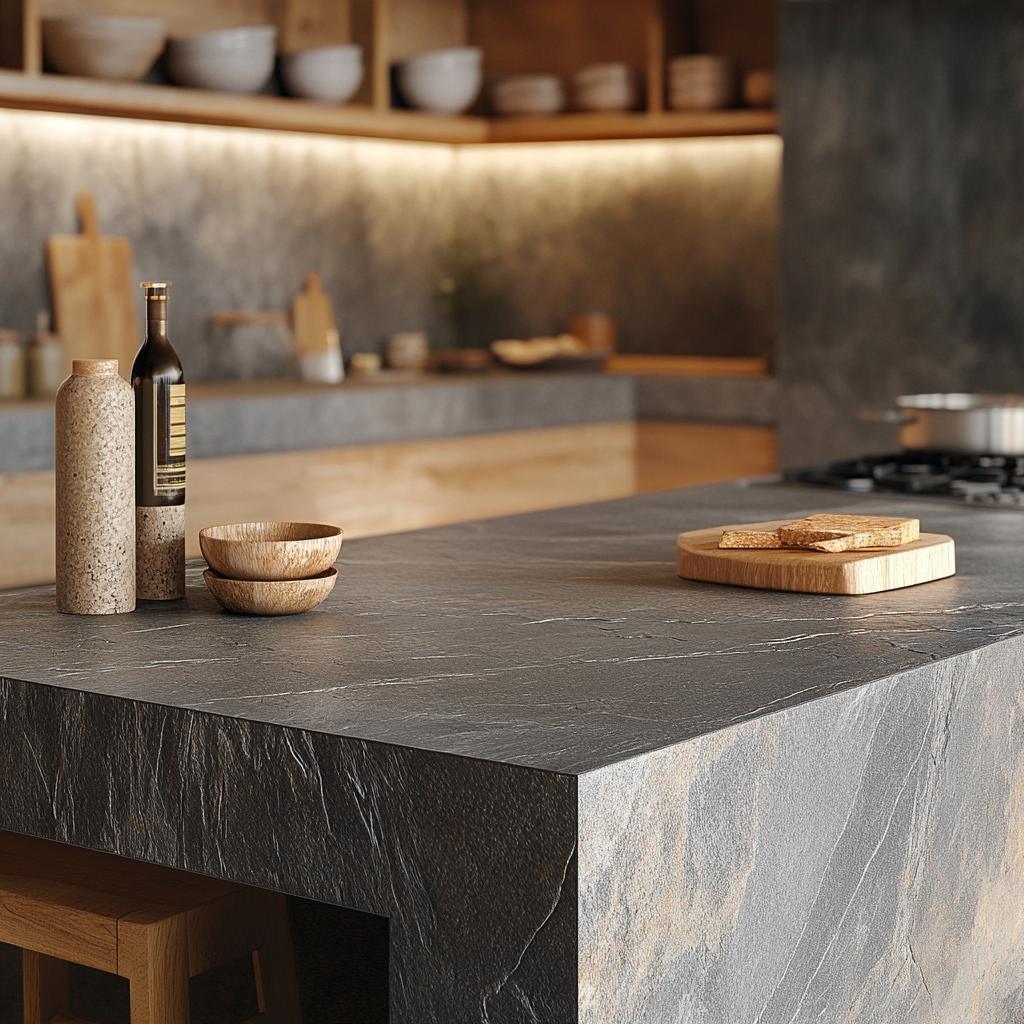
Stone countertops like limestone, slate, and soapstone add a rustic charm to any kitchen but require specific care to maintain their look.
–Cleaning Tips: Stick to warm, soapy water and avoid acidic cleaners like vinegar or lemon juice, as they can damage the stone. Rinse thoroughly after cleaning.
–Stain Removal: Use a baking soda paste and a soft brush for stains. Be patient, as stone surfaces might need a few applications to completely lift stubborn stains.
–Sealing Stone: To protect against stains and spills, seal stone countertops with a sealer suitable for your specific type of stone. This not only enhances the stone’s natural beauty but also makes it more resistant to damage.
Butcher-Block Countertops: Wood That Wows

Butcher-block countertops offer a warm, natural look, but they can be more prone to stains and scratches.
–Cleaning Tips: Use a mild dishwashing liquid mixed with water and a soft cloth to clean the surface. To sanitize, use a solution of one tablespoon of bleach in one gallon of water, then rinse and dry immediately.
–Stain Removal: For light stains, sprinkle salt on the area and scrub with a half lemon. For tougher stains, use a cotton swab dipped in hydrogen peroxide. If a stain is particularly stubborn, sanding and refinishing might be necessary.
–Sealing Butcher-Block: Regularly oiling butcher-block countertops is essential to keep them from drying out. Use mineral oil for this purpose, avoiding linseed or vegetable oils as they can go rancid.
Need to refresh your interiors?
Ceramic Tile Countertops: Classic and Colorful

Ceramic tile countertops can add a vibrant splash to your kitchen, but they do require regular maintenance to keep grout lines clean.
–Cleaning Tips: Clean the tiles with warm, soapy water, but avoid abrasive cleaners. Adding a little vinegar to your cleaning water can help prevent soap scum from forming on the tiles.
–Stain Removal: Grout can easily stain and harbor bacteria. Use a mild bleach solution and a toothbrush to scrub grout lines, then seal the grout to prevent future stains.
–Sealing Tile Grout: While the ceramic tiles themselves might not need sealing, the grout lines definitely do. Use a grout sealer to protect them from moisture and stains.
Marble Countertops: Elegant but Sensitive

Marble countertops exude luxury and elegance but can be a bit more high-maintenance due to their porous nature.
–Cleaning Tips: Use a damp, soft cloth with a pH-neutral dishwashing liquid to clean the marble. Avoid letting water sit on the surface to prevent water spots.
–Stain Removal: For tough stains, a poultice made from a thick paste can be used to draw out the stain. Be careful with acidic substances like wine or citrus, as they can cause etching.
–Sealing Marble: Regular sealing is crucial to protect marble from stains. Use a sealer formulated specifically for marble surfaces to keep your countertop looking pristine.
Final Touches for a Clean Kitchen

No matter what material your kitchen countertop is made of, maintaining a regular cleaning routine will keep it looking beautiful for years to come. Remember, the right cleaning methods not only enhance the look of your kitchen but also prolong the life of your countertops.
Ready to take your kitchen cleaning game to the next level? Check out more home care tips and tricks on the Homebliss blog! Let’s keep those kitchens sparkling clean together!


