
Last updated on December 25th, 2025
If you’ve spent months battling cloudy faucets, hard water spots, or dull chrome that never seems to shine, you’ve probably wondered whether those viral cleaning hacks are worth trying. One of the latest trends? Crumpling up a piece of aluminum foil and using it to polish bathroom and kitchen faucets.
Sounds too simple, right?
We thought so too — so we tested it.
Here’s what really happened.
Looking to get your interiors done?
Why Aluminum Foil Might Work Better Than a Cloth

The trick is surprisingly straightforward: tear off a small piece of aluminum foil, crumple it into a ball, and gently rub it on your chrome faucet.
The theory behind it is interesting:
– The foil’s texture is lightly abrasive — enough to lift mineral residue but not harsh enough to scratch chrome.
– Rubbing creates a bit of heat and friction.
– That friction forms aluminum oxide, which acts like a gentle polishing agent.
– Together, they buff away water spots, revive shine, and can even soften the look of tiny rust flecks.
It’s an oddly satisfying mix of chemistry + elbow grease — and all you need is a tiny scrap of foil from your kitchen drawer.
But does it actually work on real-life bathroom grime?
Time to find out.
Interiors in need of an upgrade?
What Happened When We Tried the Foil Trick
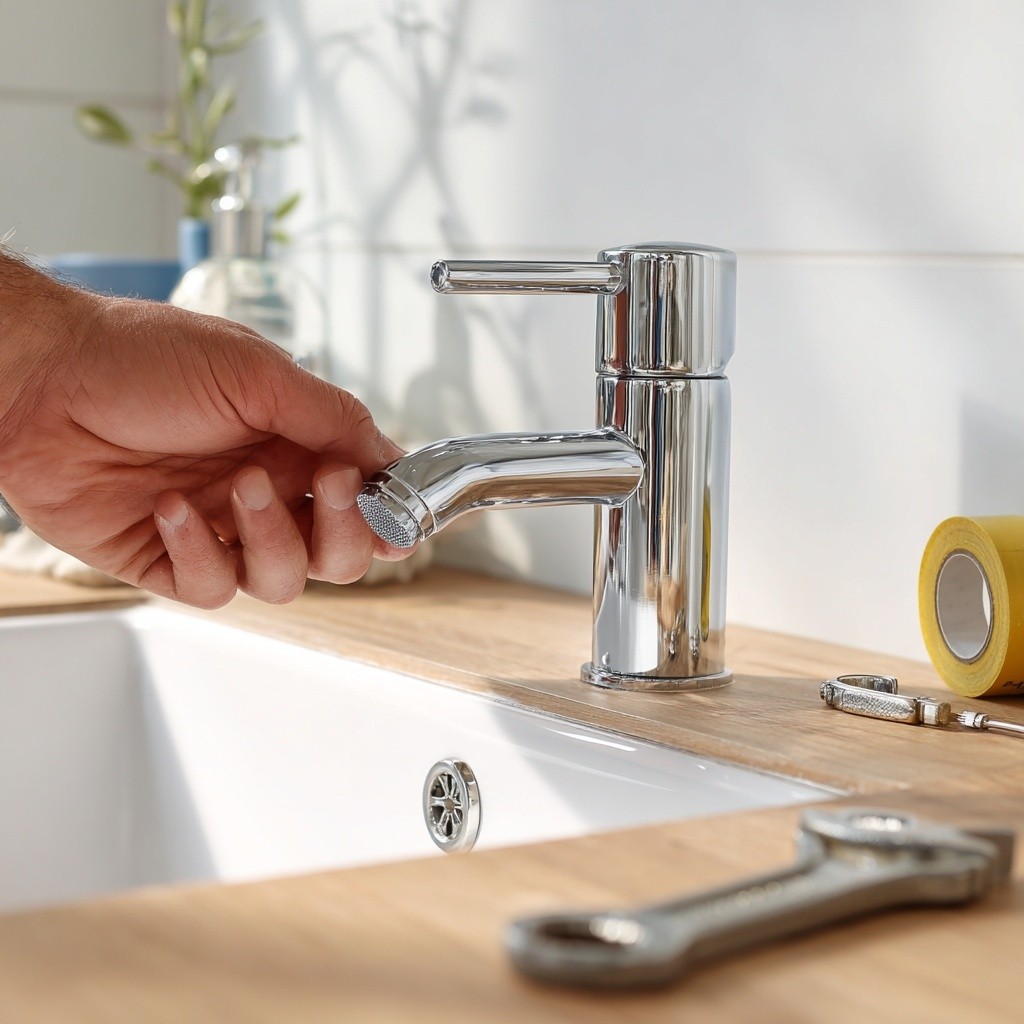
We picked a classic victim: a chrome faucet with hard water stains, soap scum, and that cloudy dull look that makes bathrooms feel less fresh no matter how much you clean.
Step 1: Crumple a small square of foil.
Step 2: Light pressure, small circles, slow strokes.
And honestly?
The shine came back shockingly fast.
Those foggy water marks that normally require sprays and serious wiping? Gone in seconds.
The chrome looked brighter and smoother — almost like it had been freshly buffed.
A few observations:
– The foil worked best when slightly damp.
– Dry foil lifted water spots but struggled with stubborn soap residue.
– After polishing, a quick wipe with a clean cloth made everything look spotless.
Within a minute, the faucet genuinely looked new.
But Wait — It Doesn’t Work on Everything
Before you run around the house polishing every handle and fixture, here’s the important part:
Only use this on chrome or smooth, glossy metal finishes.
Avoid it on:
– Brushed finishes
– Matte black or bronze hardware
– Satin or antique finishes
– Gold or rose gold plating
These surfaces scratch more easily, and the foil’s texture could damage them. When in doubt, spot-test on the back of the faucet where nobody sees.
When the Foil Trick Works Best

– Hard water spots
– Cloudy, dull chrome
– Slight rust stains
– Fingerprint-prone taps
– Bathroom faucets that haven’t been polished in months
– Shower heads with mineral film
It’s a fantastic quick fix right before guests arrive or when your hardware needs an instant refresh.
Need to refresh your interiors?
When It Won’t Help Much
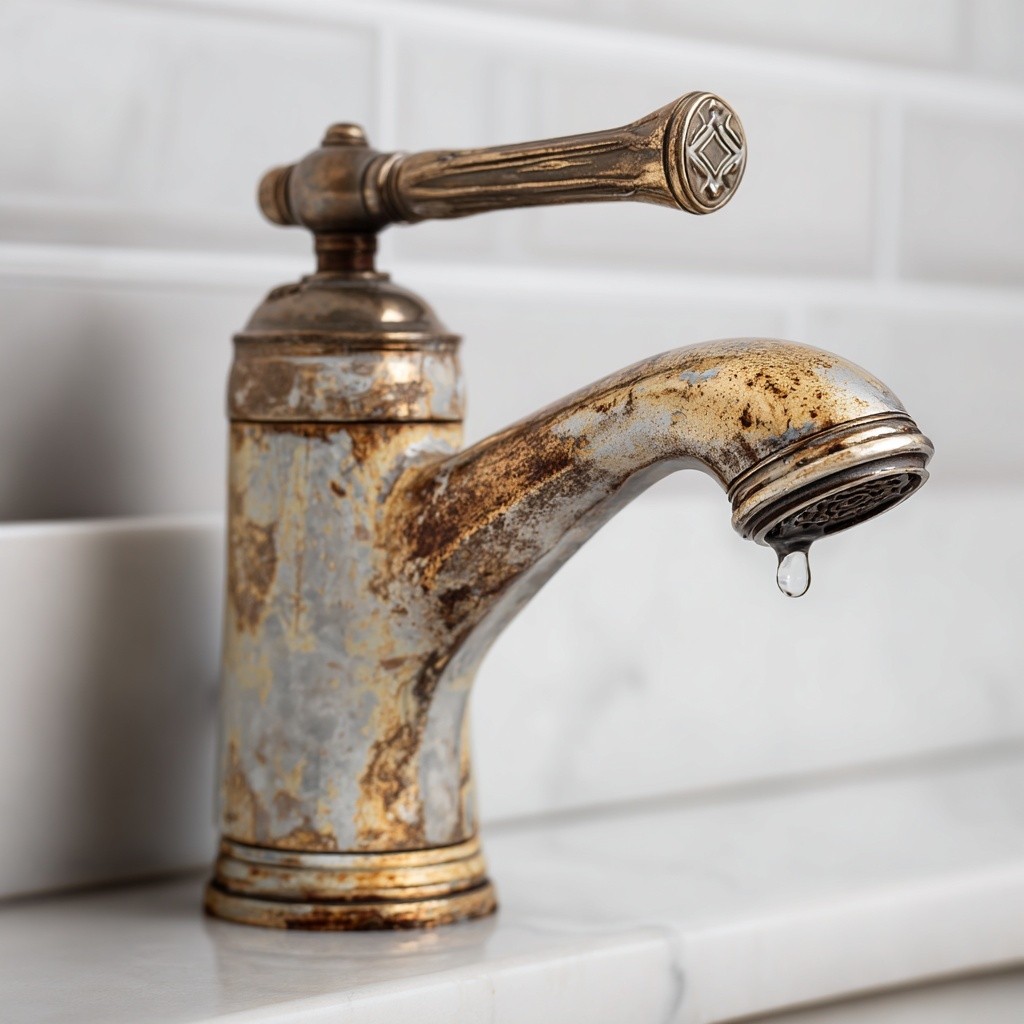
– Heavy limescale build-up
– Thick soap scum
– Deep rust or pitting
– Fixtures with peeling chrome coating
For these issues, you’ll still need specialized cleaners or professional descaling.
Here are Some Safety Notes (Because We’re Responsible Adults)
– Use gentle pressure — let chemistry do the work.
– Always dry the faucet afterward to prevent new water spots.
– Don’t use near decorative coatings or painted elements.
– Recycle the foil or reuse it for another cleaning hack.
Final Takeaway

So… does the aluminum foil trick actually work?
Yes — surprisingly well.
For everyday hard water spots and dull chrome, it’s one of the easiest, cheapest cleaning hacks you’ll ever try. No sprays, no harsh chemicals, no extra tools. Just a little foil, a few seconds of polishing, and a faucet that suddenly looks like it belongs in a hotel bathroom.
It’s the kind of simple, satisfying home tip we love — effective, budget-friendly, and perfect for busy days — just like HomeBliss homes.


