
Last updated on March 31st, 2026
Painting furniture feels like the easiest way to give old pieces a fresh, new look. A quick coat of paint, and suddenly that tired table or wardrobe looks completely different.
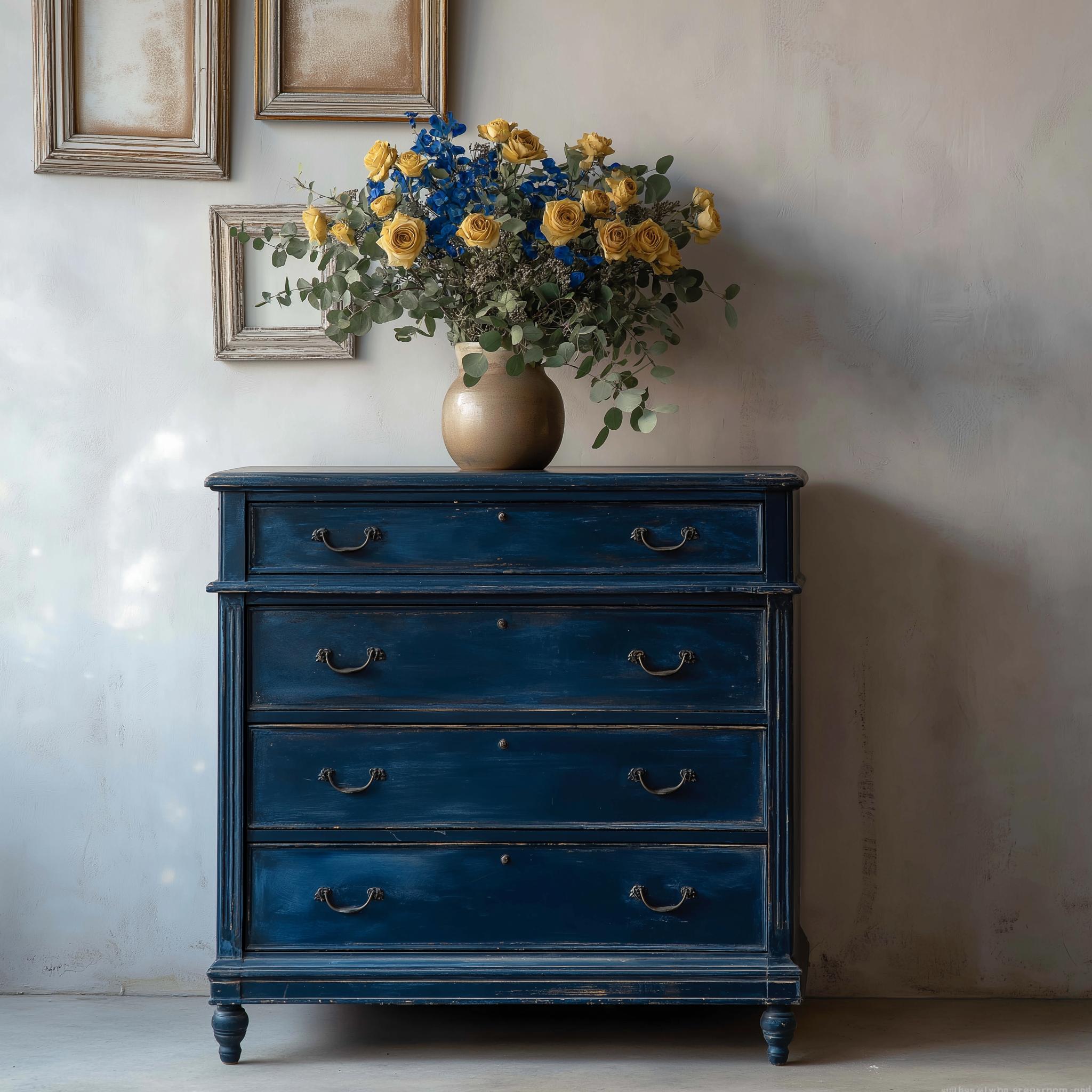
But here’s the truth—furniture painting goes wrong more often than you think. Peeling paint, uneven finishes, visible brush marks… all of it usually comes down to skipping a few important steps.
Before you pick up that paintbrush, here’s what you need to know.
Looking to get your interiors done?
Not All Furniture Should Be Painted
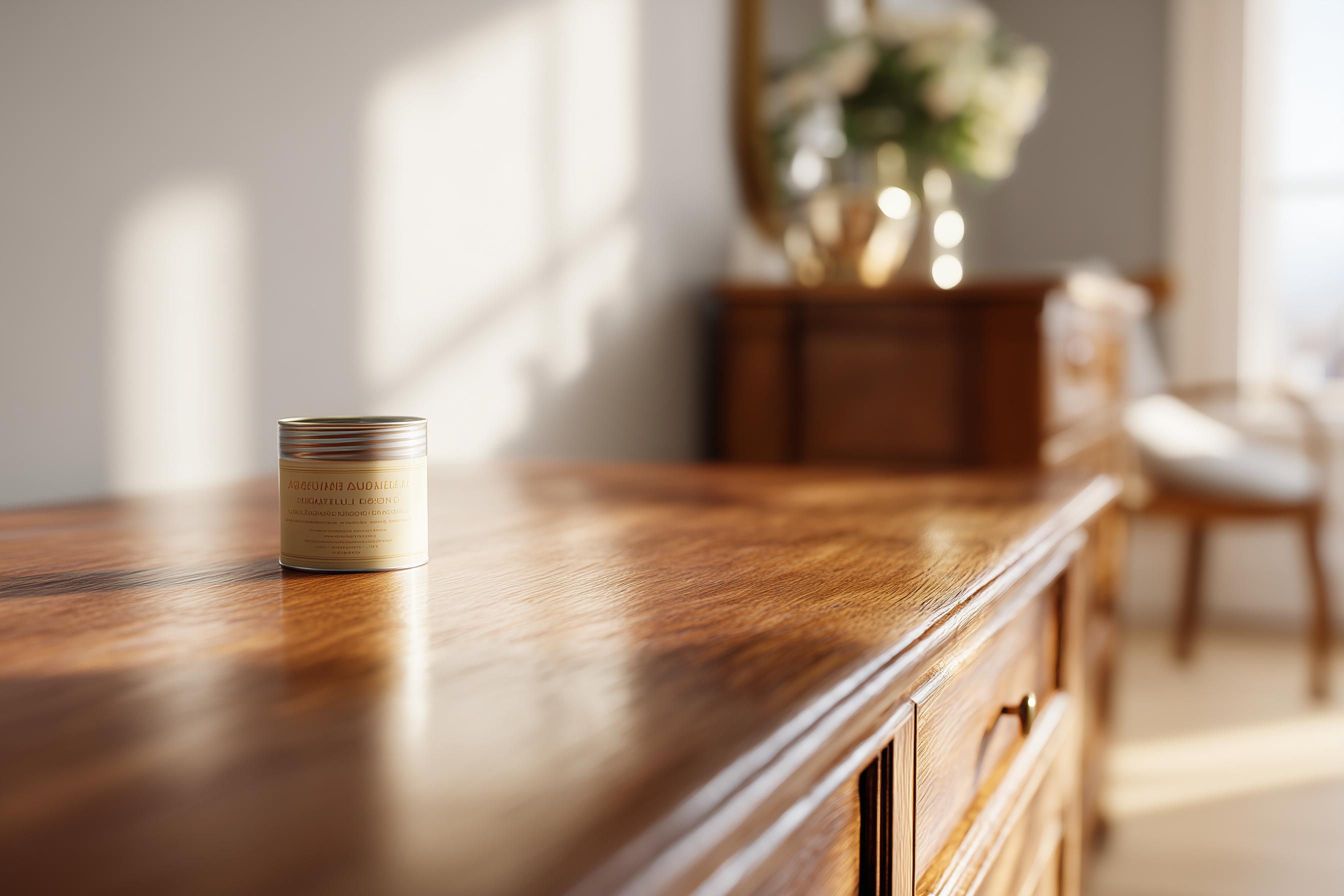
It’s tempting to paint everything, but some pieces are better left as they are.
Solid wood with a natural grain, antique furniture, or high-quality finishes can lose their character when painted. Sometimes, polishing or refinishing works better than covering it up.
Take a moment to decide if paint will actually improve the piece—or just hide what makes it special.
Surface Prep Is Everything
This is where most people rush—and regret it later.
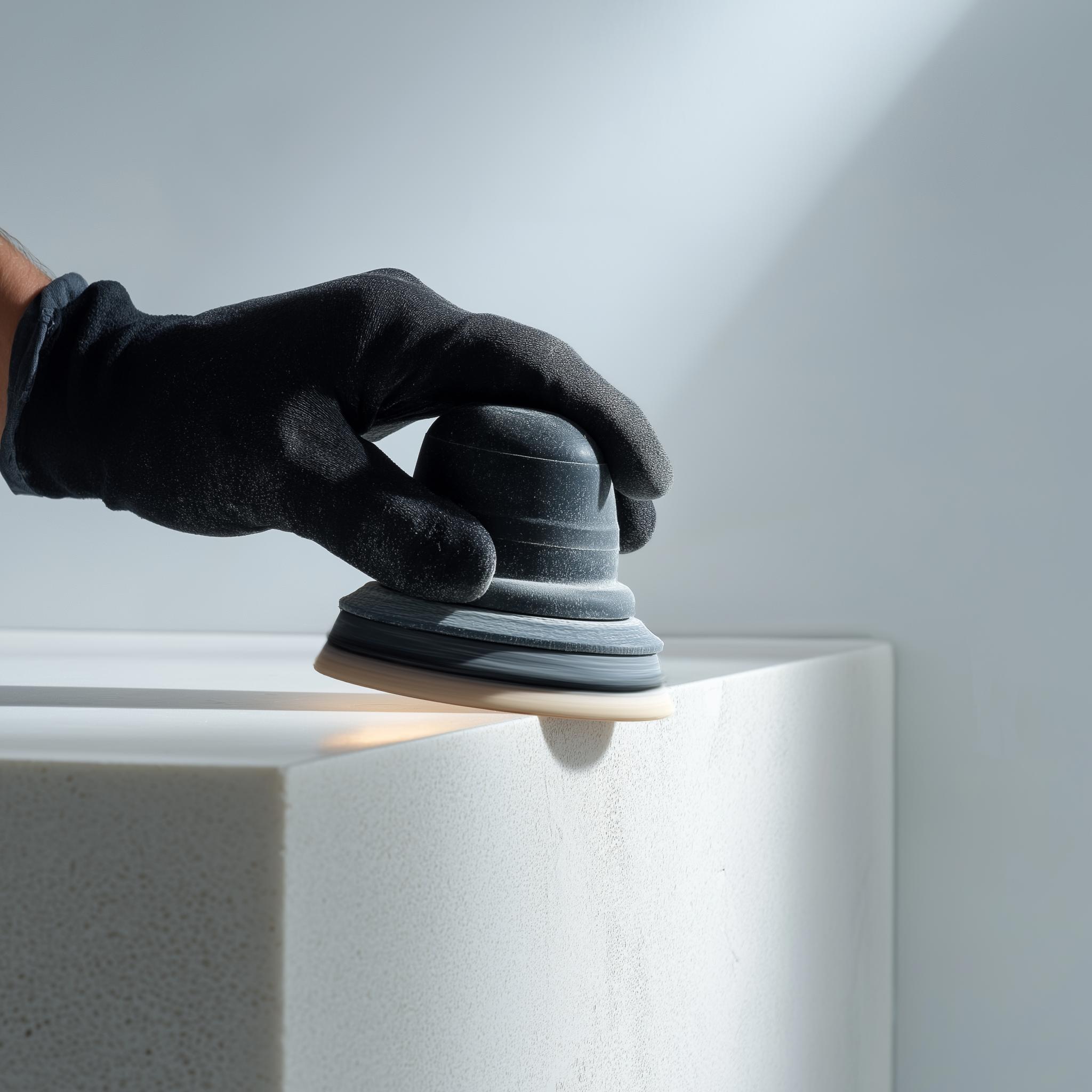
Furniture needs proper prep before painting. That means cleaning off dust, grease, and residue first. Light sanding helps the paint stick better and gives a smoother finish.
Skipping prep often leads to paint that chips or peels within weeks.
Looking to get your interiors done?
Primer Is Not Optional
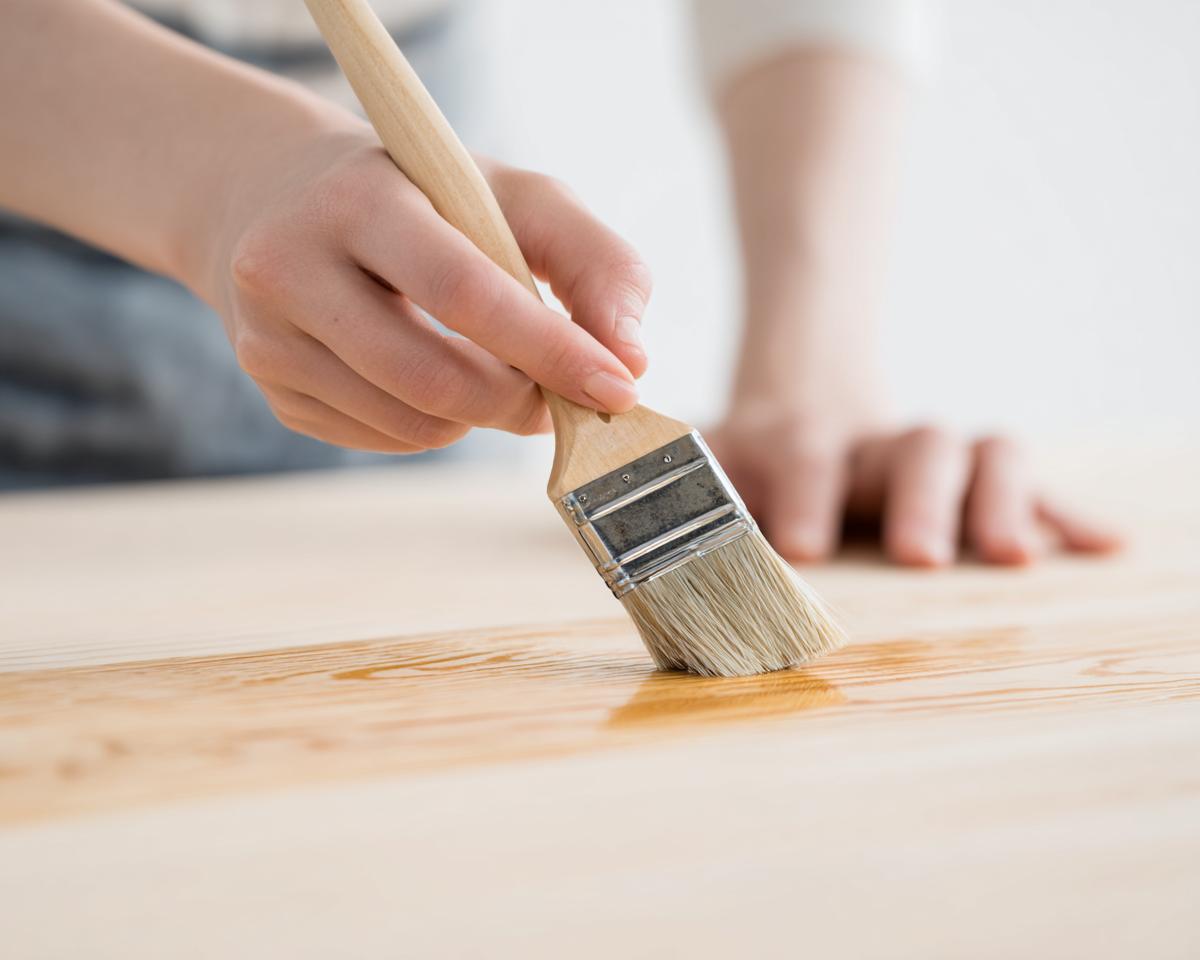
If you want a professional-looking finish, primer matters.
It helps paint adhere better, blocks stains, and creates an even base—especially if you’re painting over dark wood or glossy surfaces.
Without primer, you may end up applying multiple coats and still not get the finish you want.
Choose The Right Paint
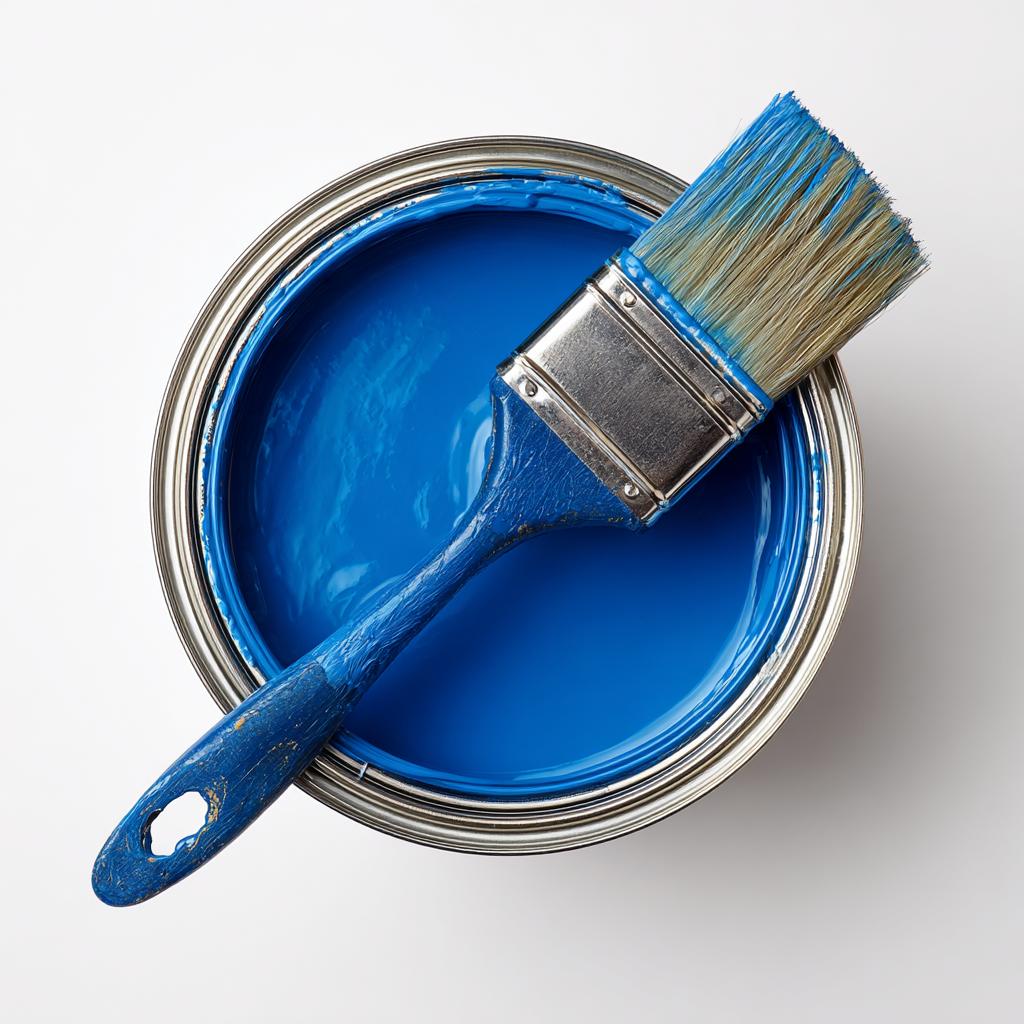
Wall paint and furniture paint are not the same.
Furniture goes through more wear—touching, cleaning, movement—so it needs durable paint. Chalk paint, enamel paint, or specially designed furniture paints usually work better.
The wrong paint can fade, scratch, or wear out quickly.
Looking to get your interiors done?
Don’t Rush The Drying Time
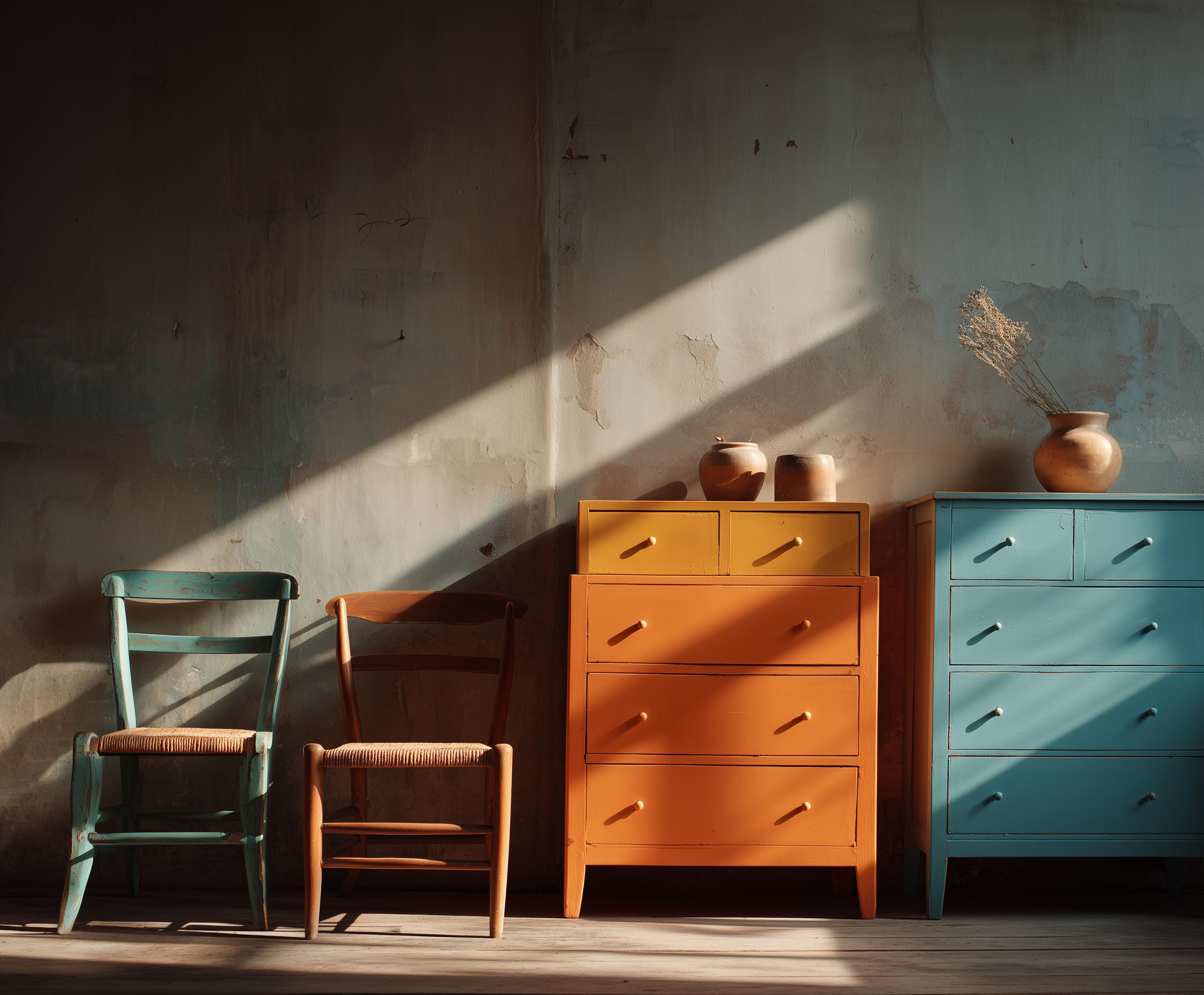
One of the biggest mistakes is impatience.
Each coat needs time to dry properly before the next one goes on. Rushing this step can cause streaks, stickiness, or uneven textures.
Good results come from letting the process take its time.
Protect The Finish
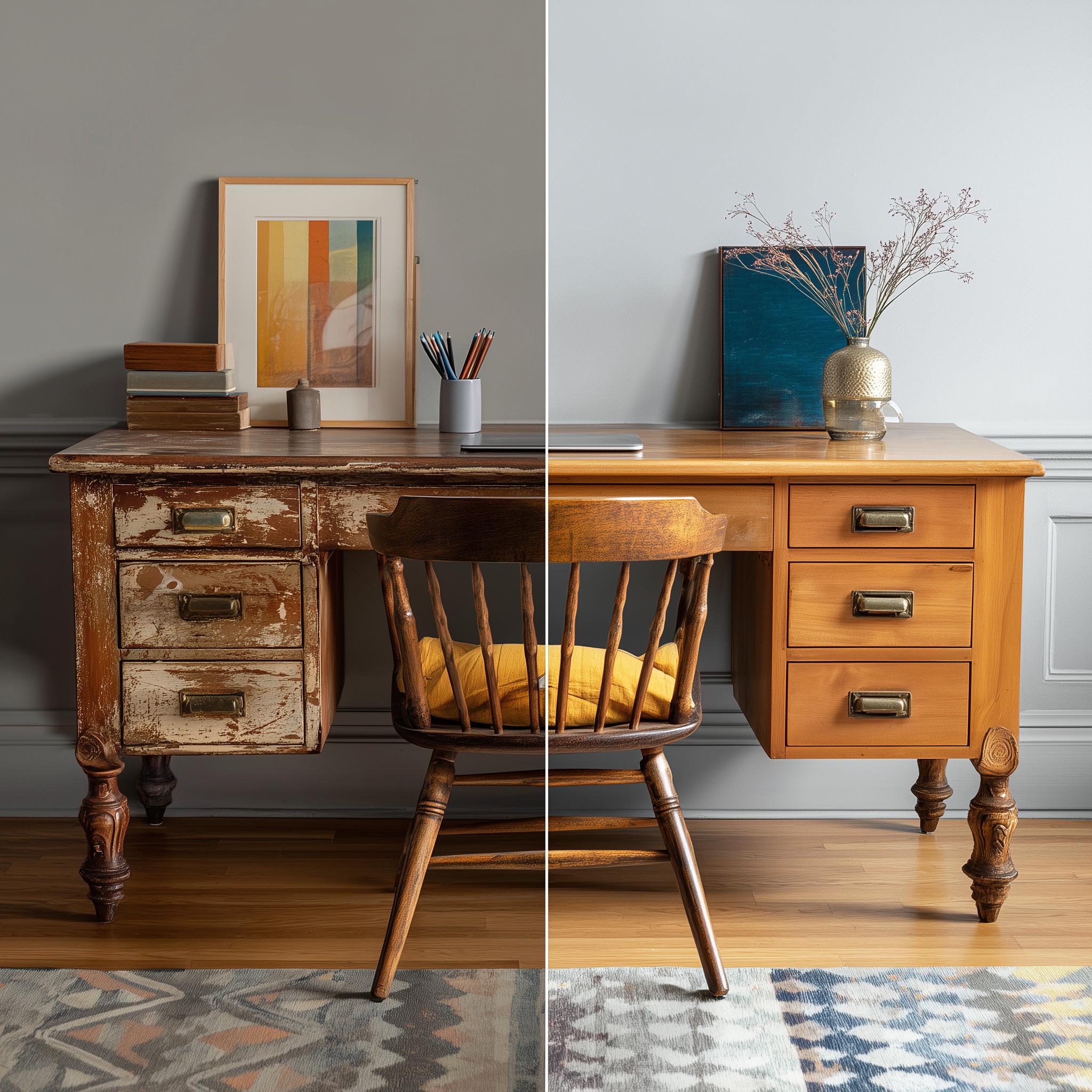
Painting is only half the job.
A protective topcoat—like a sealer, wax, or polyurethane—helps the paint last longer. It protects against scratches, stains, and daily wear.
Without this step, even well-painted furniture can start looking worn too soon.
Think About The Finish Before You Start
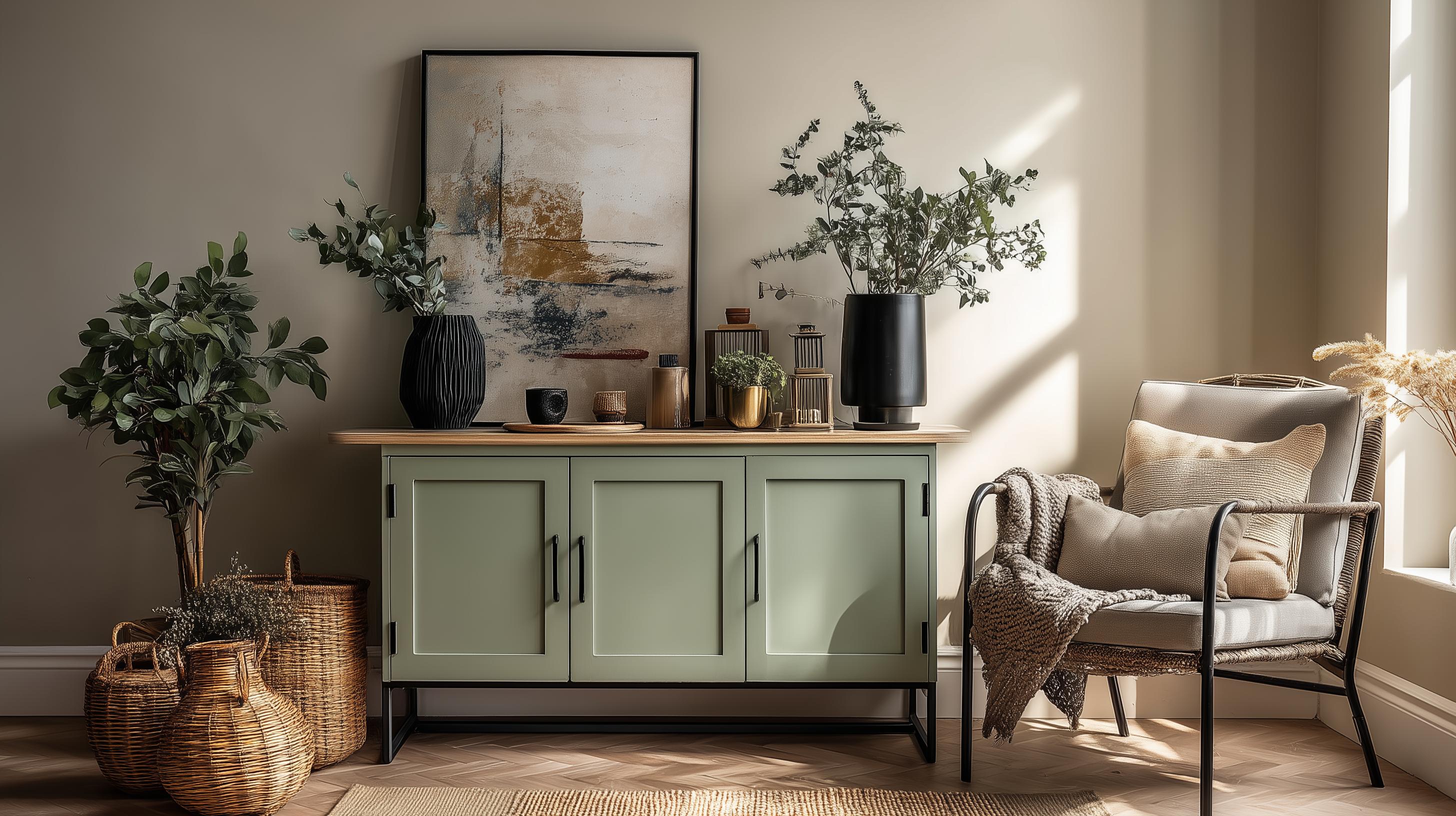
Do you want a matte look? A glossy finish? Something textured?
Decide this before you begin. The tools you use—brush, roller, or spray—and the type of paint all affect the final result.
Planning ahead saves you from redoing the whole piece later.
The Takeaway
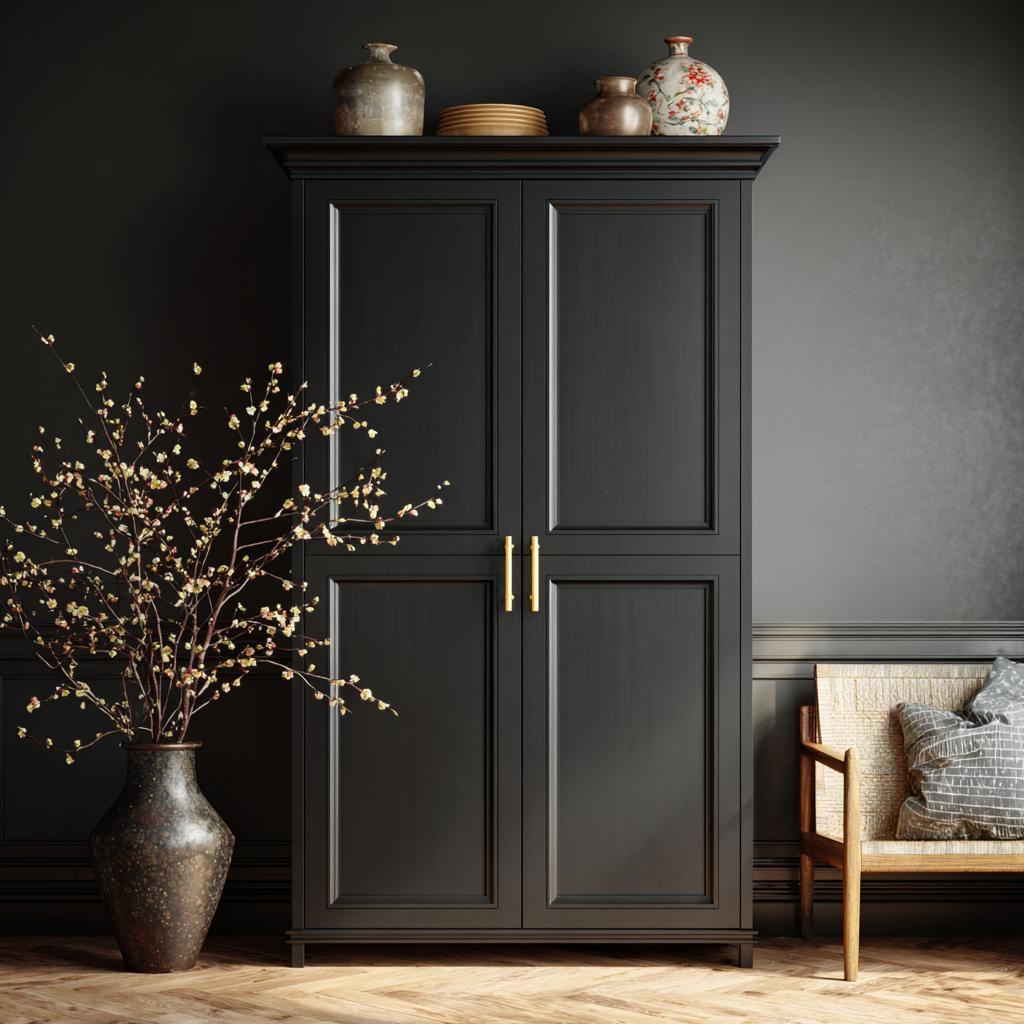
Painting furniture can completely transform a space—but only when it’s done right. With proper prep, the right materials, and a little patience, you can turn old pieces into something that looks fresh and lasts longer.
At HomeBliss, we believe small upgrades should feel satisfying, not frustrating. And a little extra care before you start can make all the difference in the final result.


