Last updated on January 28th, 2026
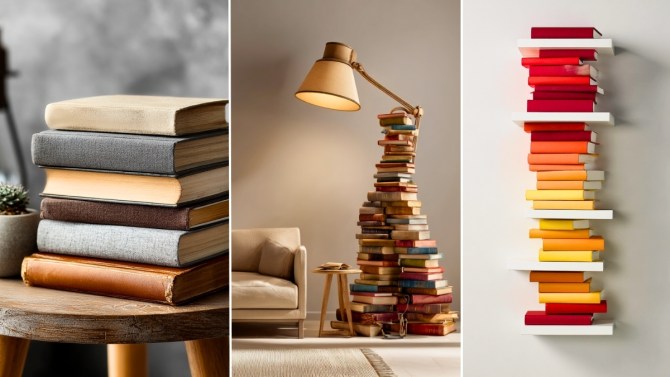
Books don’t need shelves to look good.

Stacking them thoughtfully turns everyday reads into effortless decor that feels relaxed, modern, and lived-in.
Looking to get your interiors done?
1. Why Bookshelves Can Feel Too Much

Traditional bookshelves do their job, but they also dominate a room. They add visual weight, collect dust fast, and often turn into clutter zones where books, objects, and chaos quietly coexist.
Book stacks flip that script. They’re informal, flexible, and instantly more relaxed. Instead of filling vertical space, they ground a room and make it feel styled without trying too hard.
That’s why designers love them.
Looking to get your interiors done?
2. What Makes Book Stacks Look So Cool

Book stacks feel intentional without being precious. They signal personality, curiosity, and ease. A stack beside a sofa, under a console, or next to a bed feels natural, not staged.
They also work beautifully in small homes where bulky shelves feel overwhelming. One stack can do the visual work of an entire bookcase.
The secret is not stacking everything you own. It’s choosing which books earn the spotlight.
3. Choose the Right Books First
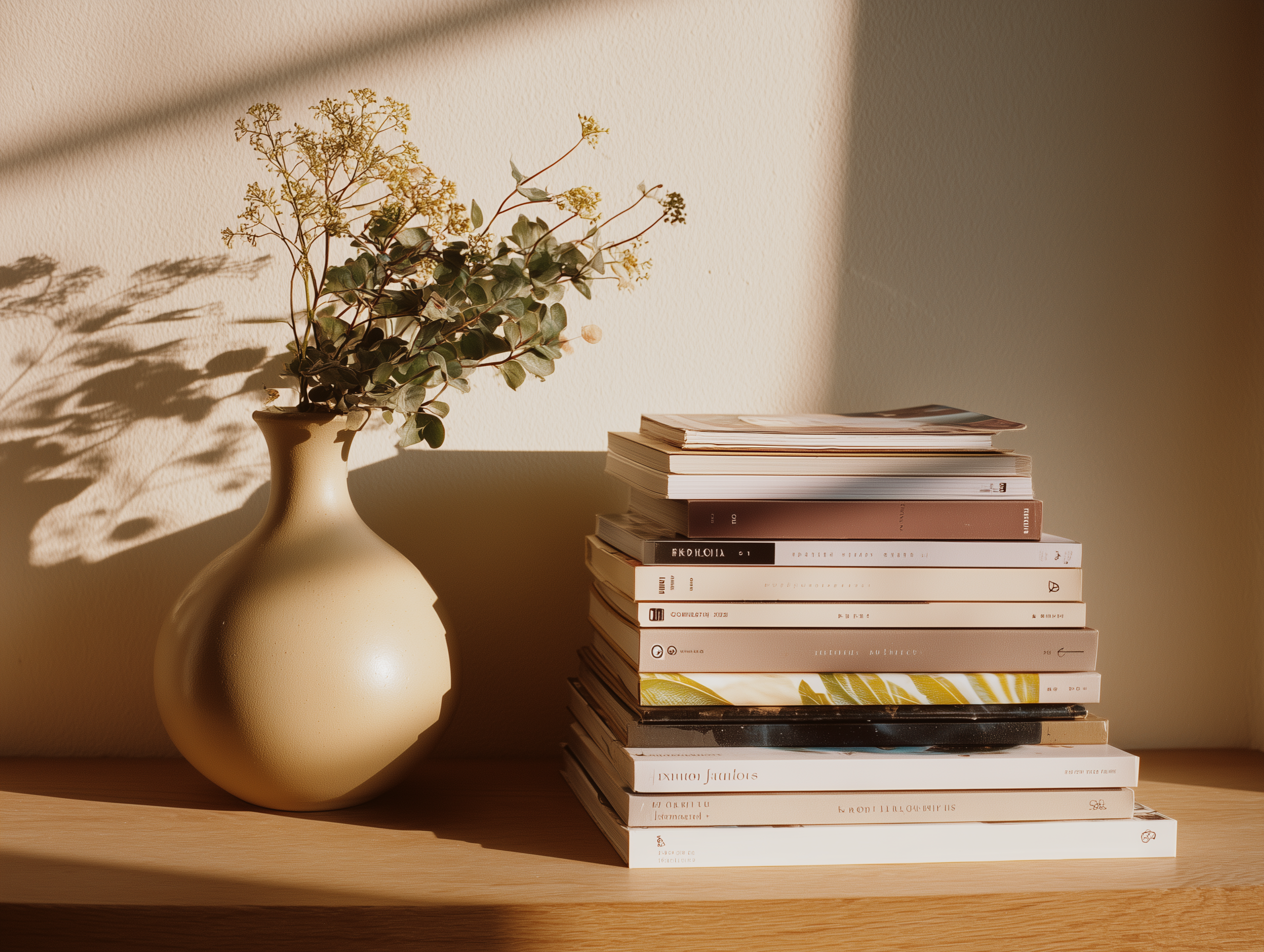
Older or well-loved books work best. They feel relaxed and forgiving in high-traffic areas. If you don’t want to risk damaging favorites, thrifted books are perfect and affordable.
Hardcovers are easier to stack than paperbacks because they hold shape better. If dust jackets feel too colorful or busy, slip them off. Most hardcovers underneath are neutral and instantly calmer.
This small move alone makes stacks look curated instead of chaotic.
4. How to Stack Without It Looking Messy

There’s an easy rhythm to book stacks.
Lay books horizontally, not vertically. Start with the largest book at the bottom and build upward with smaller ones. Three to five books usually look best.
Keep stacks close to a wall, sofa, or solid furniture piece so they feel anchored. Floating stacks in the middle of walkways feel accidental, not intentional.
If you want a permanent look, keep the stack in a low-traffic spot. If it’s purely decorative, it’s okay to treat it like furniture, not storage.
5. Match Books To Your Space

Color matters more than titles when styling stacks. Try grouping books with similar tones so the stack feels cohesive.
Neutral spaces look great with beige, white, gray, or muted earth-tone covers. If your home leans bold, a monochrome stack in one color family can make a strong statement.
The goal isn’t to hide books. It’s to let them complement the room instead of fighting it.
6. Where Book Stacks Work Best

Book stacks are incredibly versatile.
– Next to sofas as casual side tables
– Beside beds instead of nightstands
– Under console tables or windows
– At the base of a coffee table
– Near armchairs with a lamp on top
You can even place a small tray, candle, or ceramic object on top of a stack to turn it into a functional surface.
Books become furniture without trying to be.
Looking to get your interiors done?
7. A Few Styling Mistakes To Avoid

Avoid stacking too many books. Tall towers feel unstable and distracting.
Don’t mix wildly different sizes in one stack. Keep proportions gentle.
And resist the urge to decorate every stack heavily. One accent on top is enough. Let the books breathe.
Effortless only works when it stays simple.
8. Why This Works Better Than Shelves Sometimes
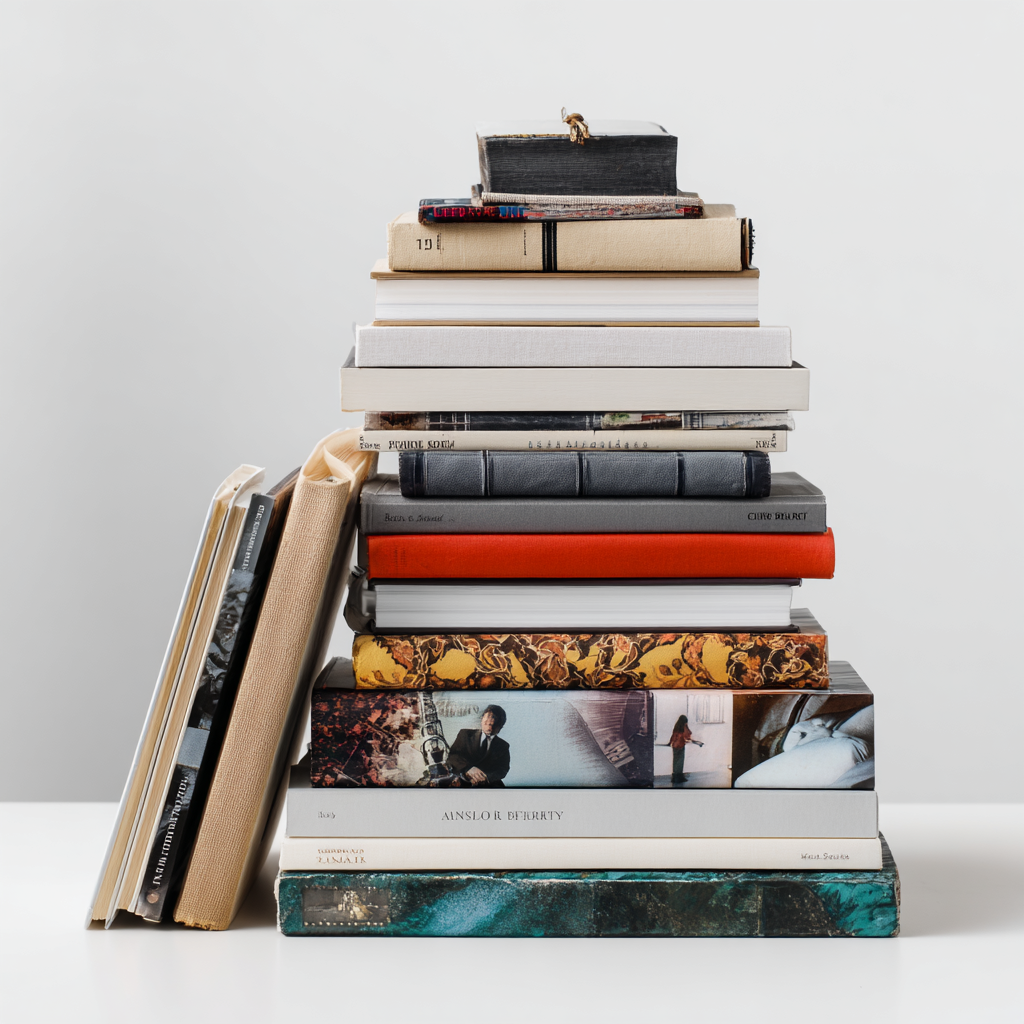
Book stacks remove pressure. You don’t have to fill empty shelf gaps or arrange spines perfectly. You can move stacks easily, refresh them seasonally, or edit them without commitment.
They make rooms feel lived-in, not curated for display. That’s the appeal.
What’s Next?
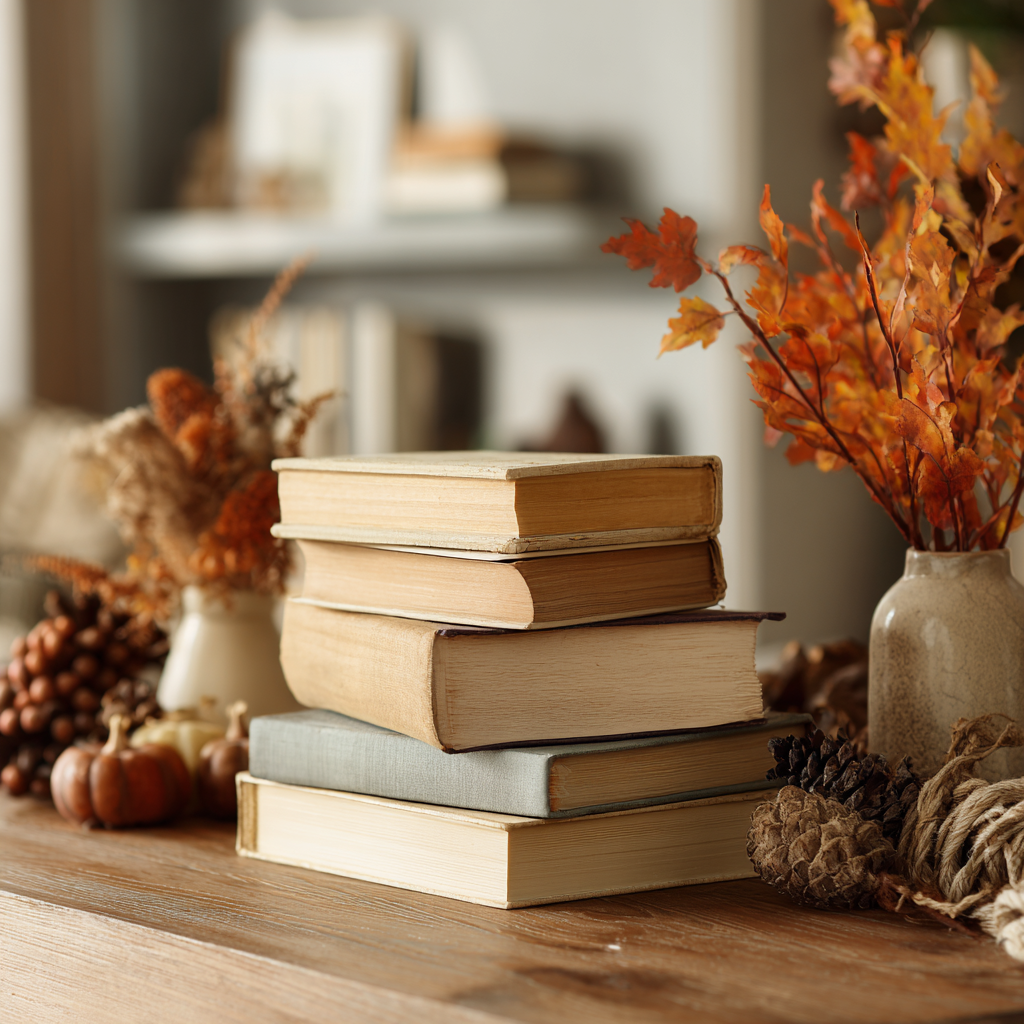
You don’t need a bookshelf to show your love for books. Stacking them thoughtfully turns reading material into relaxed decor that feels modern, personal, and surprisingly stylish.
At HomeBliss, we love ideas that reduce visual clutter and add character without effort. Book stacks do exactly that — they soften a space, ground a room, and make homes feel quietly cool without trying too hard.


