Last updated on October 21st, 2024
Books are timeless, but there’s a new trend sweeping Instagram that’s flipping things—literally! The “backward books” aesthetic is transforming shelves from cluttered to cohesive, turning literature into decor.

Whether you’re a minimalist lover or just looking to mix up your shelf game, turning your books around is a stylish way to keep things sleek and unified. But is this trend for everyone? Let’s dive into what makes backward books the latest design hack, where to use it, and why it’s giving our shelves a whole new vibe.
Looking to get your interiors done?
The Backward Books Trend: What’s It All About?

If you’ve seen the backward books look, you know it’s all about turning the spines of your books inward and displaying the pages. What’s the effect? A minimalist, monochrome arrangement that turns your bookshelf into a clean, neutral display. Popular in Scandinavian design, this trick gives your shelves an instant makeover, creating a simple, uniform look that still adds texture and warmth.
Since this design hack doesn’t rely on book covers, you don’t have to worry about curating specific titles. Instead, any book will do. Hit up local thrift stores, rummage sales, or even library book sales to collect inexpensive books to use for your display. The pages, all similar in color and texture, create a cohesive backdrop that looks great in both modern and traditional homes.
Interiors in need of an upgrade?
Does It Look Good, But Is It Practical?
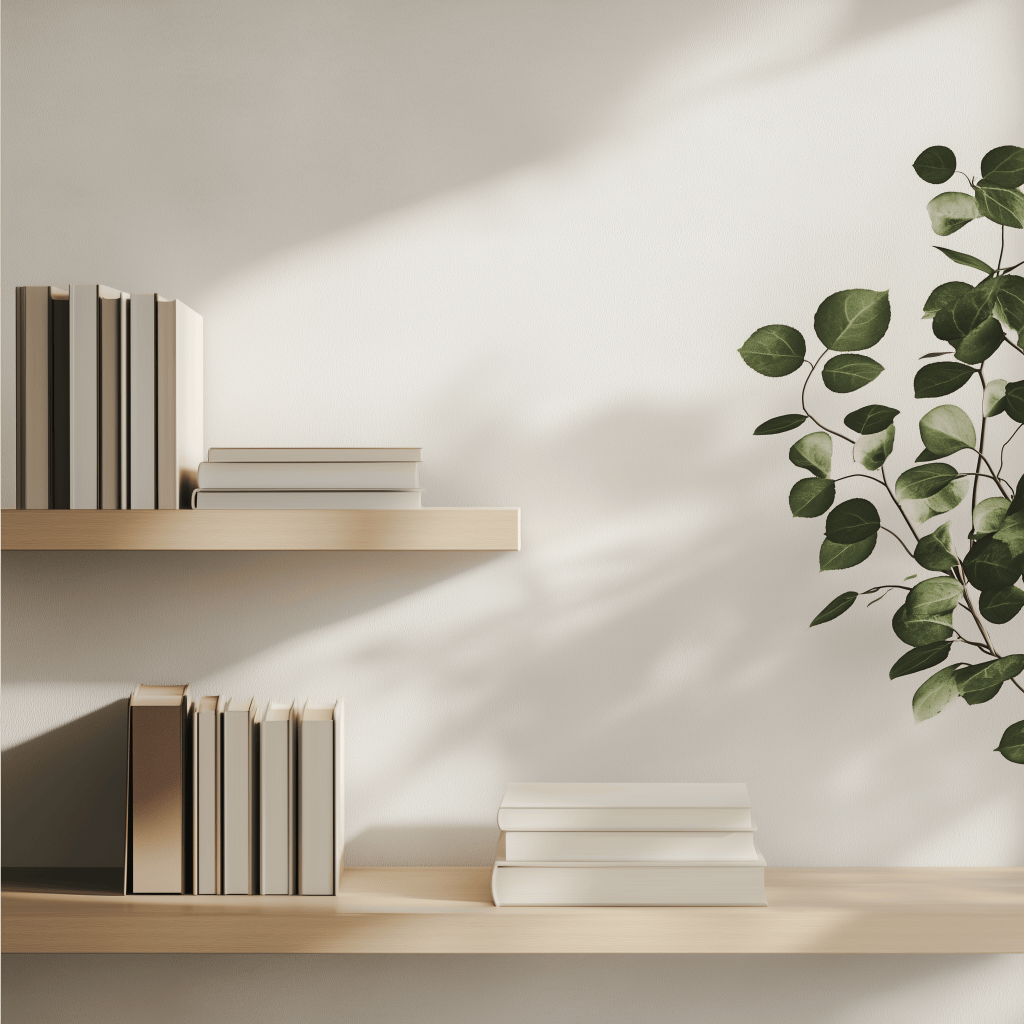
The backward books trend is definitely Instagram-worthy, but for practical book lovers, it may not be the most functional. If you actually want to read your books or find them easily, having the spines hidden could be frustrating. It’s a move geared more toward aesthetics than functionality, similar to other design trends like color-coordinated bookshelves.
That said, not all shelves need to be used for daily access, and the backward books trick works perfectly for those “just for show” spaces. Think about areas like high shelves in the kitchen, guest rooms, or even entryways where the shelves are more decorative. If you love the vibe but also want a functional library, mix and match! Keep your go-to books facing forward and place a few backward books strategically on higher shelves or in less-used corners.
Where Should You Try Backward Books?

Here’s where this look really shines—areas of your home where function meets decor. In spaces like the kitchen or living room, backward books can be a great way to fill shelf space without adding clutter. Stack them with other decor like candles, vases, or small plants for a visually balanced display. Since the neutral tones of book pages are subtle, they blend easily into any color scheme, keeping your decor looking intentional and polished.
In the kitchen, backward books can add texture to upper shelves that might otherwise go unused. Pair them with glass jars or small potted plants to create a cozy yet refined look. The same applies to guest rooms or hallways—use backward books to fill empty spaces while keeping the overall look neat and neutral.
In smaller spaces, like an entryway or bedside table, a stack of backward books can help balance your decor without overwhelming the space. Mixed with a tray of essentials or a decorative bowl, this little design tweak can bring a cohesive feel to any room.
Where Backward Books May Not Work

While backward books are great for decorative purposes, there are some spaces where this trend might not be the best fit. If you’re a bookworm with a home library or a reader who prefers the warmth of an eclectic book collection, flipping your books might not give you the satisfaction you’re after. A collection of books with visible spines adds character and color, telling a story all on its own. In rooms where books are actively read and referenced, it might be best to keep them in their traditional layout, with the spines proudly displayed.
Living rooms, dens, and home offices are spaces where backward books may feel out of place. These rooms are often filled with a curated collection of books that tell your story, and flipping the spines inward might strip away the personality. After all, backward books are more about achieving a certain look, while a classic bookshelf full of colorful spines creates warmth and a lived-in feel.
Need to refresh your interiors?
Is This Trend Here to Stay?
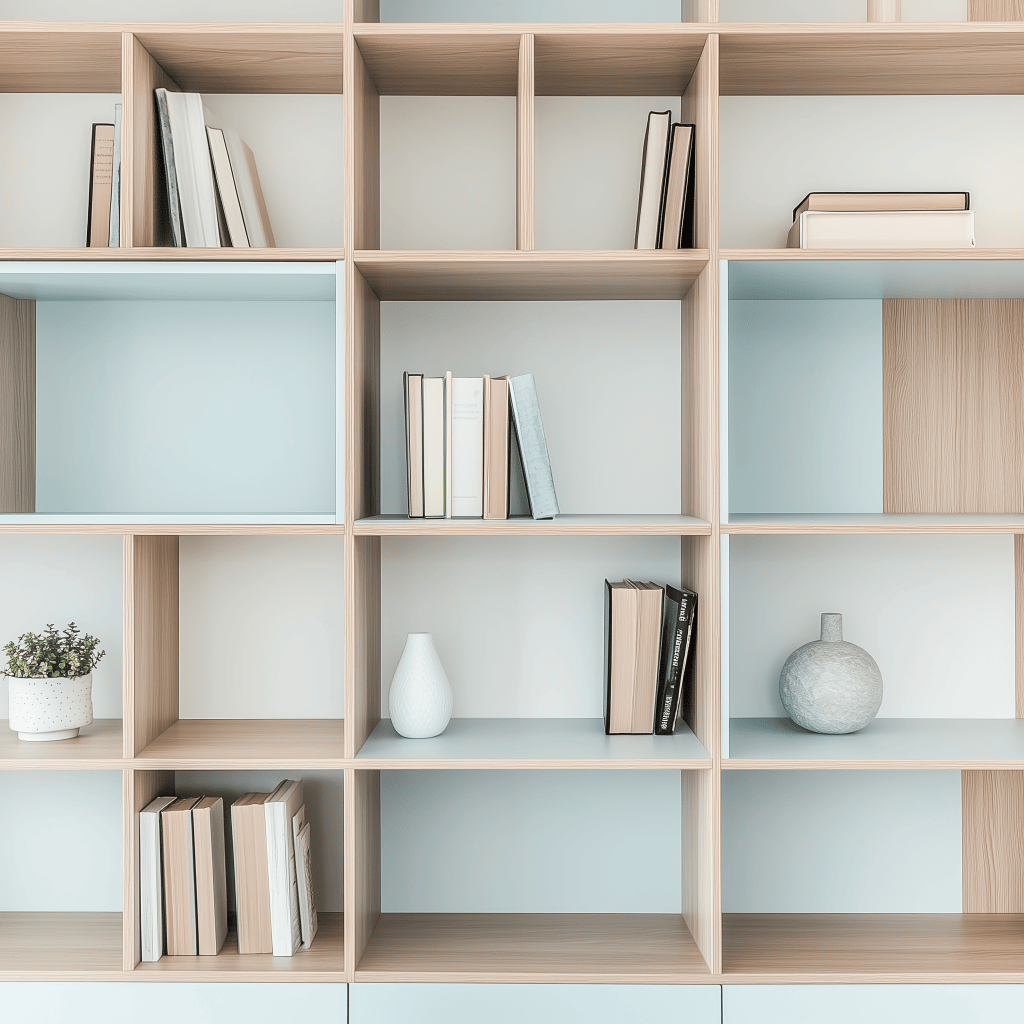
Like many design trends, backward books are all about aesthetics over practicality, which can make them feel a little temporary. But for those who love the sleek, minimalist vibe, there’s no reason this trick can’t be a long-lasting staple in your home. As with any trend, it’s all about finding the right balance for your personal style. If you love a clean, curated look and don’t mind using some of your books as decorative props, this trend will fit right in.
On the flip side, if you’re someone who loves a more traditional, eclectic feel, don’t worry—there’s no need to jump on the backward book train. Trends like this are fun for some and not for others, and it’s all about creating a space that feels like you.
Conclusion: Make Your Shelves Work for You

Backward books are the perfect design hack for those looking to create a neutral, Instagram-ready space without breaking the bank. The simplicity and texture of the pages offer a clean, minimalist look that works well in many modern and traditional spaces. However, if you’re a dedicated reader or collector, it might be a trend to skip in favor of displaying your spines and letting your book collection tell its story.
Whether you embrace the backward book trend or prefer your books facing forward, your shelves should reflect your personal style. For more tips and tricks on creating beautiful, functional spaces, don’t forget to check out the Homebliss blog—your one-stop source for all things home decor!


