


Last updated on January 16th, 2026
A wardrobe isn’t just a tall box with doors. It’s a daily storage machine for clothes, shoes, accessories, bags, tiny treasures, and the occasional emotional support hoodie. The inside layout is what determines whether your wardrobe feels like a calm closet or a chaotic puzzle.

The biggest mistake most homes make? Prioritizing the exterior size without planning the interior proportions. A wardrobe can look huge and still fail miserably if the depth, height, and sections don’t match what you actually own.
1. Hinged Wardrobes: The Space Assumptions That Backfire

The standard depth for hinged wardrobes is 24 inches. It works for most adult clothing, especially if you hang shirts or formalwear. Some homes shave it down to 22 inches to save room, but that creates a wardrobe that can’t hold hangers properly. It looks efficient on paper, but not in reality.
The height sweet spot is usually 84 inches because that’s a common door-lintel level. But if you can build upward, full-height wardrobes unlock more precious vertical storage.
Also — once panels go past 24 inches wide, the hinges start holding more load than they were built for. That leads to sagging doors, squeaks, or eventual alignment betrayal.
Looking to get your interiors done?
2. Sliding Wardrobes: When Bigger Is Better (But Not Too Big)

Sliding wardrobes need more depth than hinged ones. 26 inches is ideal because the sliding track eats up about 2 inches, and the extra room keeps hangers from getting stuck mid-slide.
A sliding wardrobe should ideally stretch at least 7 feet side to side so you get two panels with usable 3.5-foot openings. Anything smaller turns into a wardrobe where you can’t access both sides comfortably.
And panel width matters too. Over 4 feet per panel means doors get heavier and harder to slide than your Monday motivation.
3. His Wardrobe: The Height Math Most Homes Forget

Men’s shirts and everyday clothing need about 40 inches of vertical clearance per hanging section. Dividing the wardrobe into two equal vertical halves lets you add dual rails and organize clothing faster.
For coats and jackets, depth should move into the 28–30 inch zone. Coat sleeves are wide, emotional, and need personal space.
4. Her Wardrobe: The Vertical Clearance Crisis That No One Talks About

Long dresses, kurtas, or gowns need 66–72 inches of vertical clearance depending on your height. Many wardrobes don’t offer that, but it’s important.
Shelves for folded clothing should sit about 12–15 inches apart. Too tight and they look like storage. Too far apart and they behave like wasted real estate.
Interiors in need of an upgrade?
5. Kids’ Wardrobes: Scaling Down Without Losing The Plot

Kids don’t need giant hanging sections. Dividing a wardrobe into three 28-inch vertical sections works better than one oversized hanger bar. Add drawers between 6 and 15 inches to stash accessories, toys, or secret collections of shiny rocks.
Kids’ wardrobes should be playful, reachable, and emotionally kind. Not like intimidating adult closets scaled downward!
6. Walk-in Closets: When Size Isn’t The Problem, Clearance Is

If wardrobes face each other, you need 54–60 inches of clearance so you can move even with one door open. If a wardrobe sits on one side, 3 feet of open access space is usually enough.
A walk-in closet should feel walkable. That’s the entire point of the name.
7. Drawers And Shoe Shelves: The Unsung Heroes Of Sizing

Multi-purpose drawers do best at 8 inches deep. Accessory drawers can shrink to 4–6 inches. Shoe shelves work at 6–7 inches for regular footwear, and 18–20 inches for boots that make fashion statements.
The depth for shoe cabinets should be about 15 inches so shoes fit without feeling emotionally crushed.
Need to refresh your interiors?
The Takeaway
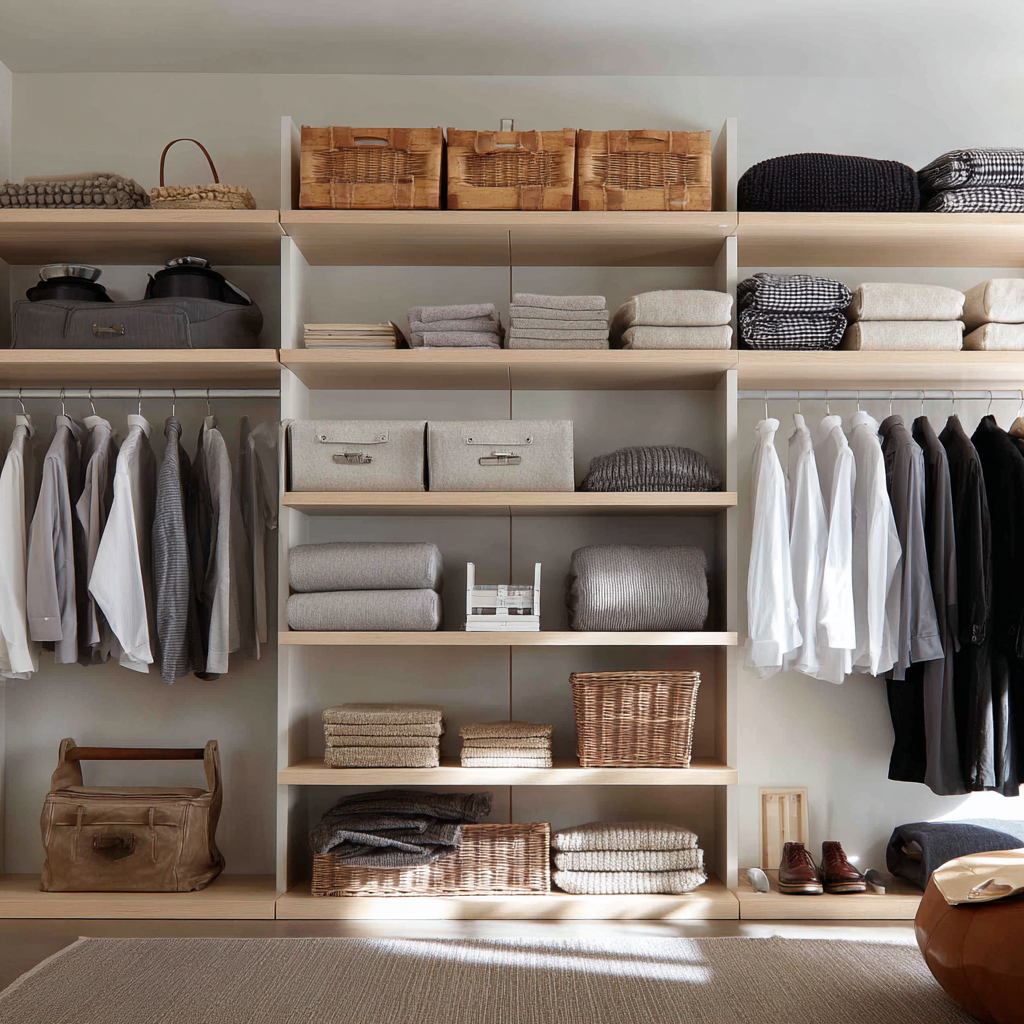
The wardrobe mistake most homes miss is not about picking the wrong material or finish. It’s about picking the wrong size! Big wardrobes don’t equal better storage. Better sizing equals better living.
A wardrobe should match your clothing needs. Depth should serve hangers, height should serve long clothing, and shelf spacing should serve folded clothes without wasting inches.
At HomeBliss, we love interiors that make life easier and storage smarter. A few inches planned right can turn your wardrobe into the calmest corner of your home!