


Last updated on September 11th, 2024
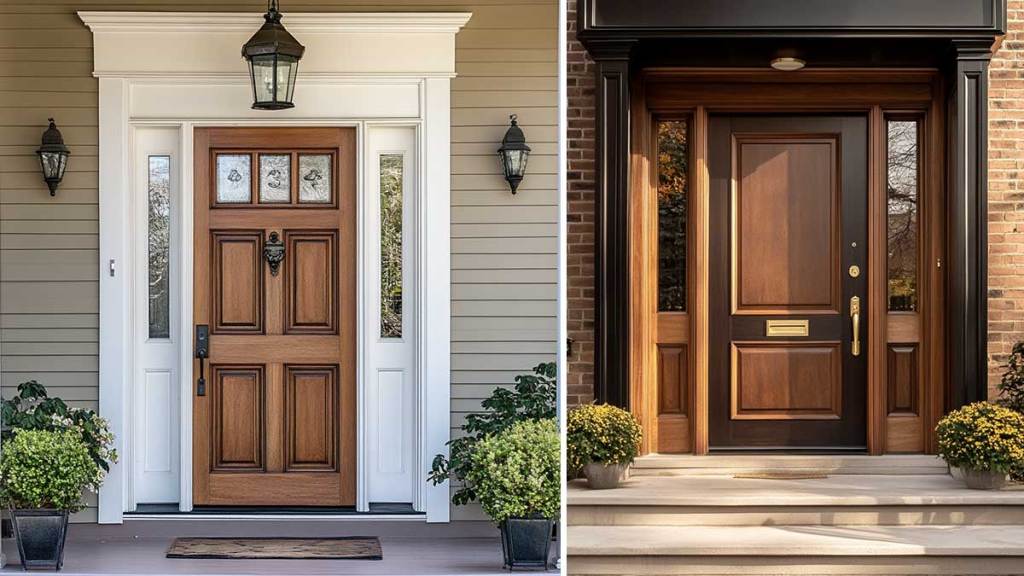
When it comes to making a solid first impression, your front door does the talking. It’s more than just an entryway; it sets the tone for your entire home. Whether it’s a welcoming smile or a no-nonsense fortress, the right front door strikes a perfect balance between style and function.

But before you rush to make a purchase, there are a few crucial factors to consider. Let’s break it down to ensure you pick a door that meets all your needs and keeps your home looking and feeling its best.
Looking to get your interiors done?
1. Get the Size Right: Measure Twice, Cut Once

Before you fall in love with a door style, make sure it fits your entryway perfectly. The last thing you want is to have your beautiful new front door become a barrier rather than an entry point, especially when moving large furniture like a king-sized bed. The standard door height is usually 80 inches, and the width can range from 32 to 36 inches for a single door. However, if your entryway is larger or uniquely shaped, you might need a wider door, like a 42-inch model, or even double doors.
Interiors in need of an upgrade?
2. Material Matters: Pick the Right Stuff for Your Door

The material of your door is more than just an aesthetic choice; it determines durability, maintenance needs, and how well it performs over time. Here’s a quick rundown of the most popular materials:
- Wood: A timeless favorite, wooden doors bring warmth and a natural look that is hard to beat. They’re easy to customize in terms of size, shape, and style. However, they can be vulnerable to the elements, leading to warping or peeling without proper care and maintenance.
- Steel: If you prioritize strength and security, steel doors are a fantastic option. They’re more affordable than wood and offer excellent resistance to weather conditions. Most steel doors have a core filled with high-density foam, making them energy-efficient and sturdy against physical impacts.
- Fibreglass: The chameleons of the door world, fibreglass doors mimic the appearance of wood but come with added durability and less maintenance. These doors are ideal for harsh climates, resist dents and scratches, and usually come with a foam core for superior insulation.
3. Security First: How Safe Is Your Door?

When it comes to front doors, security isn’t just an afterthought—it’s a priority. If top-notch security is your goal, steel doors take the crown. Made from 24-gauge steel, they’re tough to dent or break through. Fibreglass doors, while not as robust as steel, still offer superior strength compared to wood. Regardless of the material you choose, ensure your door is fitted with a solid lock system and a sturdy door frame to keep your home safe from intruders.
4. Seal the Deal: Check for Airtightness
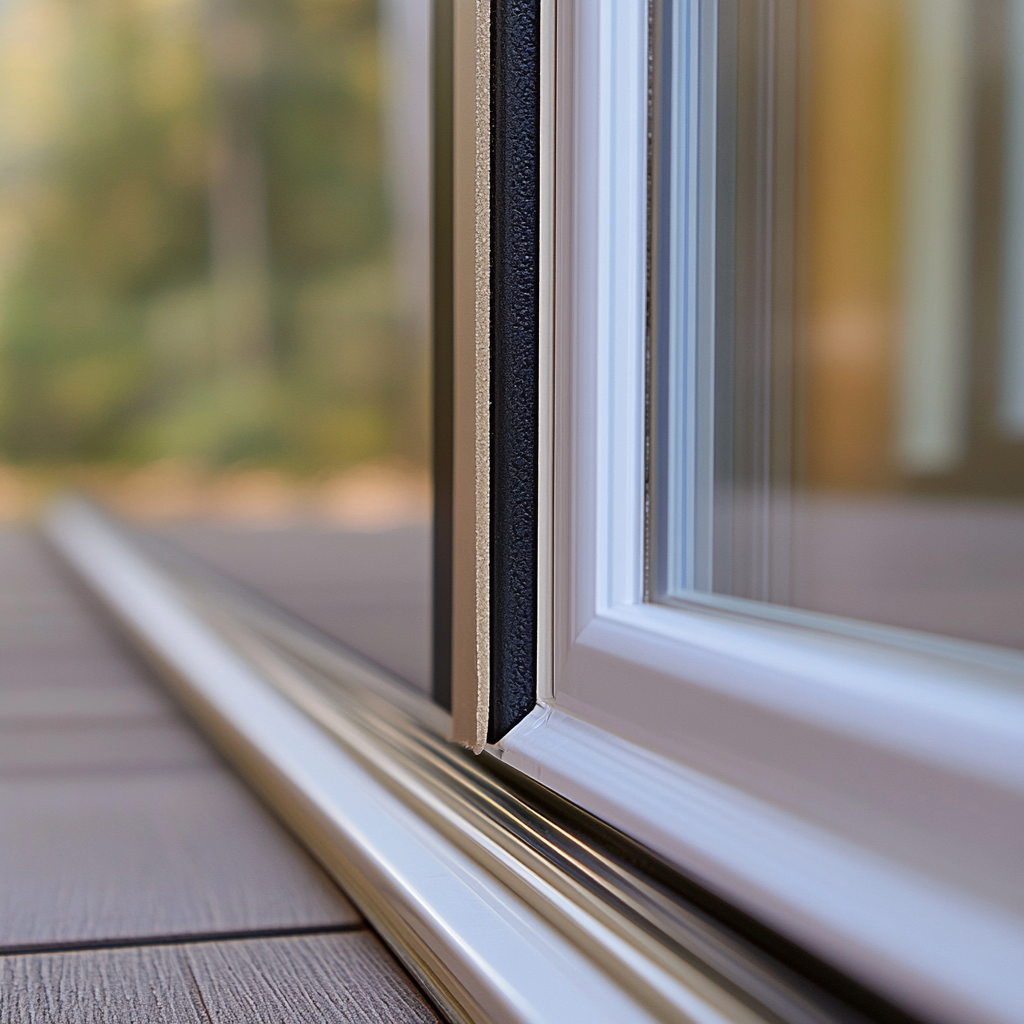
A door that lets in drafts is not doing its job. Ensuring your front door is airtight is crucial for maintaining energy efficiency. Air seepage around the edges of the door can lead to higher energy bills as your heating and cooling systems work overtime. A well-fitted front door should keep the heat in during winter and the cool air in during summer, while also protecting against environmental elements like rain, dust, and wind.
5. Style It Out: Make Sure It Matches Your Vibe
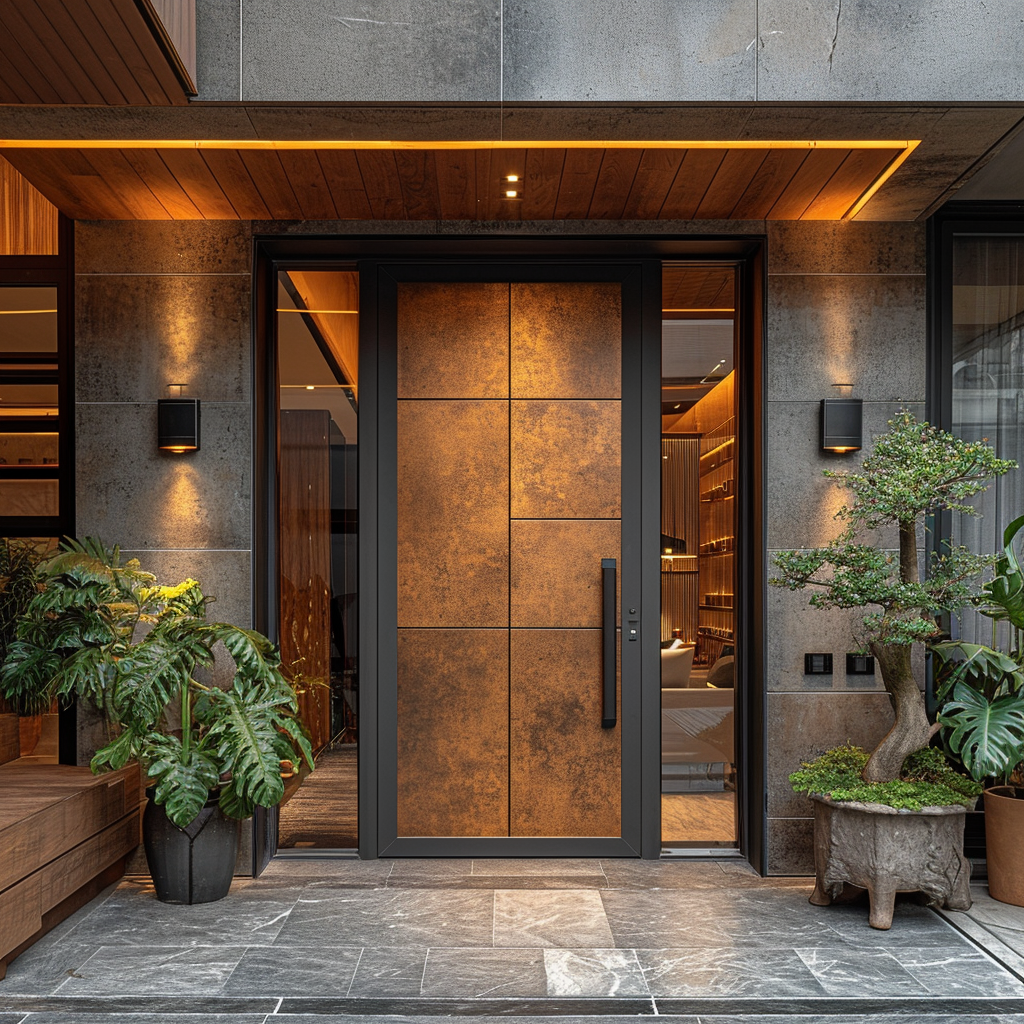
While functionality is key, style shouldn’t be overlooked. Your front door is the first thing visitors see, so it should reflect your personal taste and complement your home’s architecture. Even a basic door can be customized to match your aesthetic preferences. Consider adding glass panels for a touch of elegance or sidelights and transoms for extra natural light. Don’t forget the finishing touches like unique handles, knockers, and mail slots to add character and curb appeal.
Need to refresh your interiors?
6. Consider the Climate: Choose a Door That Can Weather the Storm

Not all doors are created equal, especially when it comes to withstanding different weather conditions. If you live in an area prone to extreme weather—be it heavy rain, strong winds, or scorching sun—choose a door material that can handle it. Fibreglass doors are particularly good for harsh climates, as they resist warping, cracking, and other weather-related wear and tear. Wood doors, while beautiful, might require more upkeep if exposed to the elements regularly.
7. Factor in the Cost: Balance Budget with Benefits

Your front door is an investment in your home’s security, energy efficiency, and curb appeal. While it’s tempting to go for the cheapest option, consider the long-term benefits and potential cost savings. Steel and fibreglass doors offer great value with lower maintenance costs and higher energy efficiency, while wooden doors, although pricier and more maintenance-intensive, provide unparalleled aesthetic appeal. Weigh the pros and cons based on your priorities and budget.
8. The Final Touch: Make Sure Your Door Meets Local Building Codes

Before finalizing your purchase, check that the door meets local building regulations. This includes fire safety standards, insulation requirements, and accessibility considerations. It’s a small step that can save you from future headaches and ensure your door is both beautiful and compliant with safety regulations.
Our Take
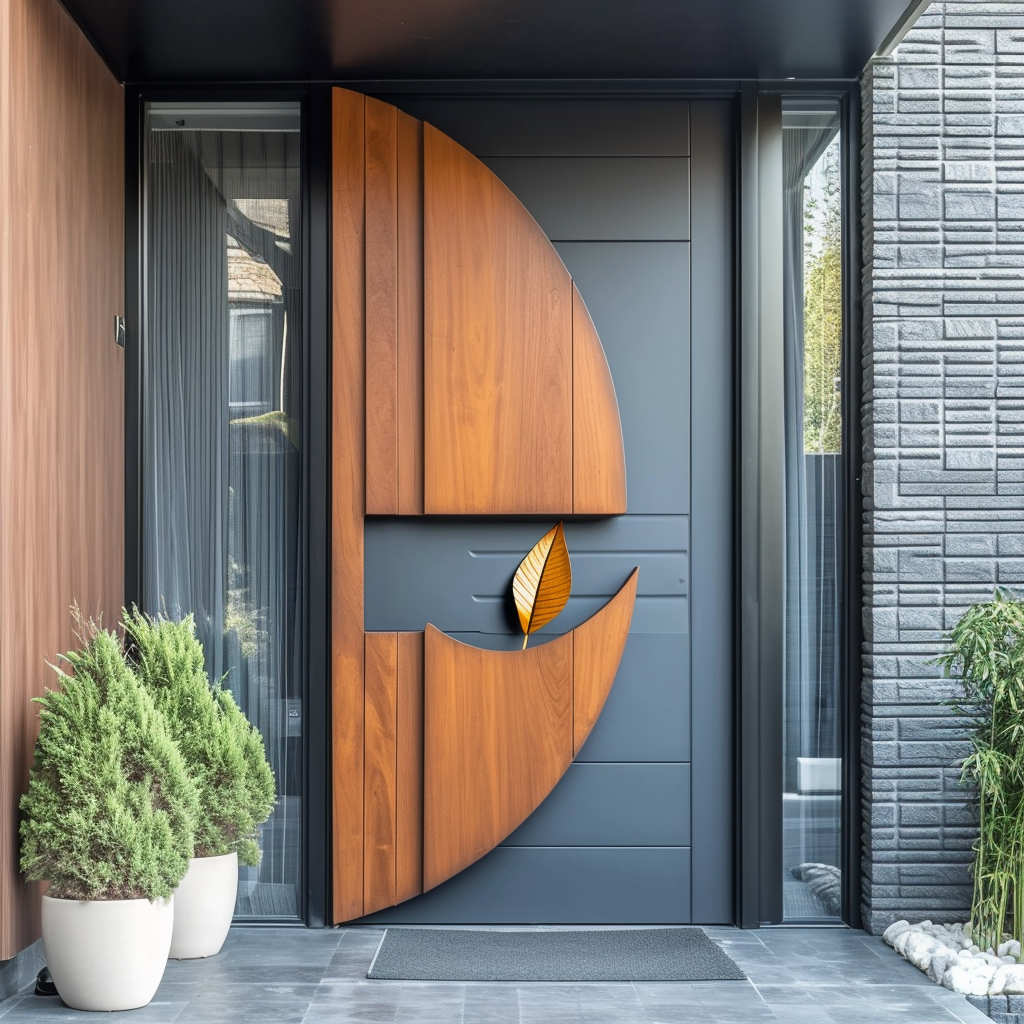
Choosing the perfect front door isn’t just about aesthetics—it’s about security, energy efficiency, and complementing your home’s style. By considering these essential factors, you’ll be better prepared to find a door that ticks all the boxes. Whether it’s the robustness of steel, the elegance of wood, or the durability of fibreglass, make your choice wisely. Ready to upgrade your entryway? Start your search today, and don’t forget to explore other home improvement tips and tricks on the Homebliss blog!