
Last updated on December 27th, 2024
You may not give much thought to the forks, knives, and spoons you use every day, but they’re just as essential as any other kitchen tool. And while flatware may seem indestructible, it definitely has a lifespan.
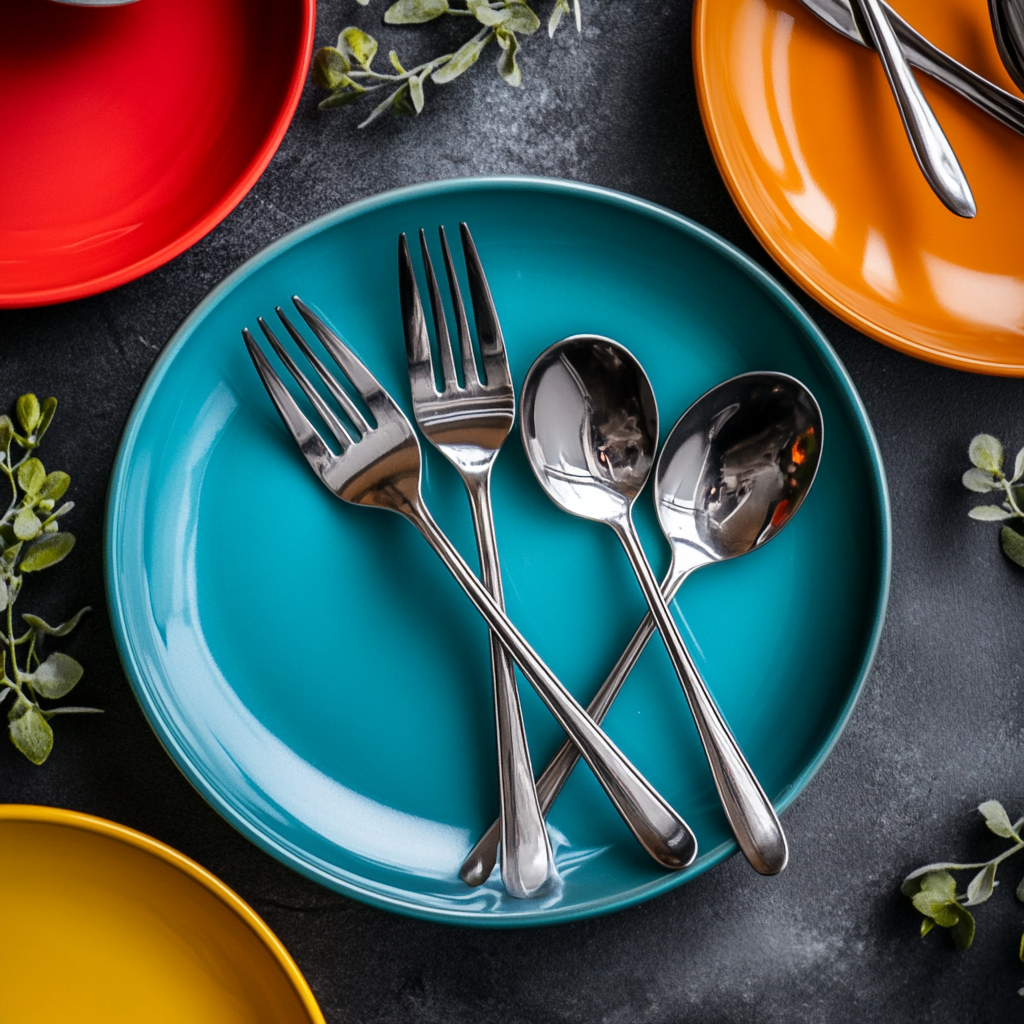
When your flatware starts showing signs of wear and tear, it could be time to make the switch to a shiny new set. But how do you know when it’s time to replace them? Here are five signs to keep an eye on.
Looking to get your interiors done?
1. Rusting or Discoloration
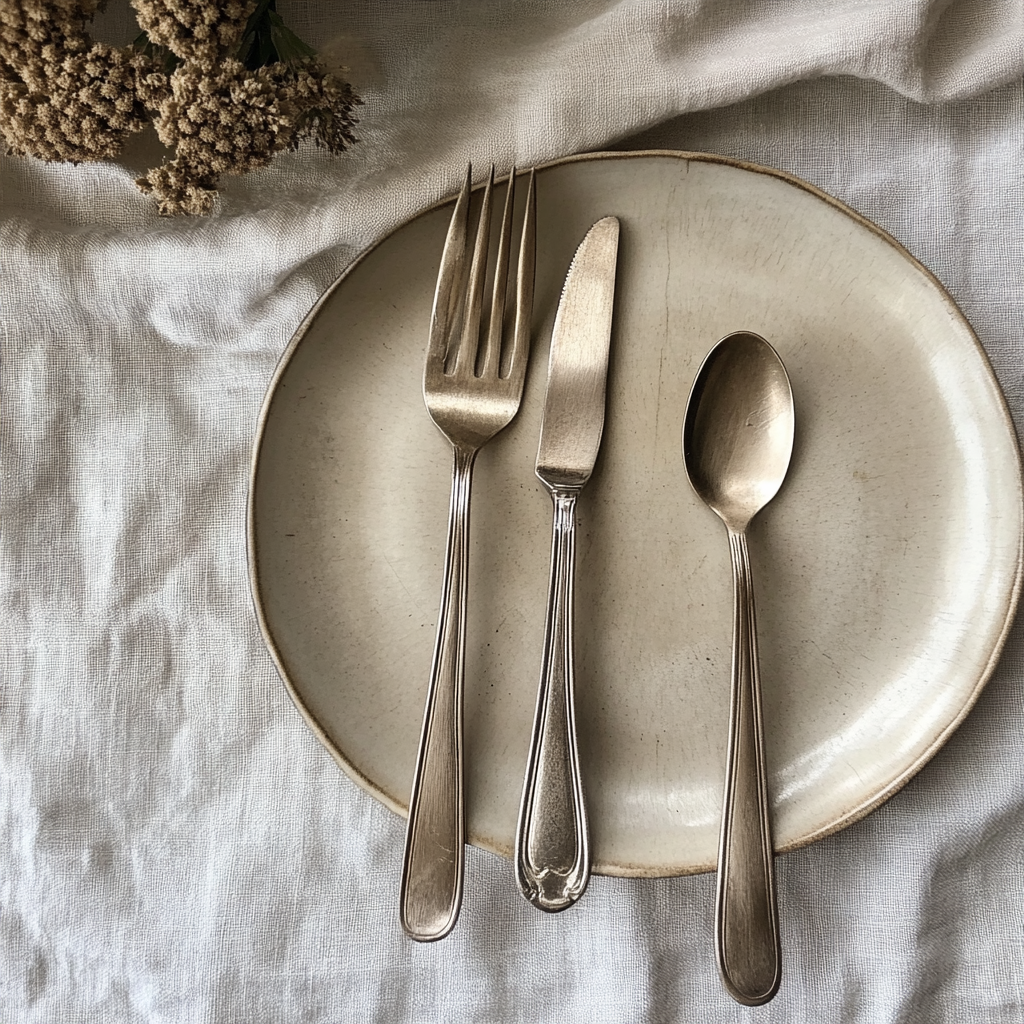
If you notice rust spots or discoloration on your flatware, it may be time to replace them. Contrary to popular belief, even stainless steel can rust if exposed to the right conditions. Before you throw them out, however, try a quick fix. Apply a paste made of baking soda and water, or use a product like Bar Keepers Friend. With some gentle scrubbing, you may be able to restore their original shine. If the rust or discoloration doesn’t budge, it’s likely time to retire that piece.
Interiors in need of an upgrade?
2. Bent or Warped Utensils

If your flatware is bent or warped, it can make eating less enjoyable and even lead to further damage. While you can try to straighten bent pieces with flat-nose nylon jaw pliers (which won’t scratch the metal), the reality is that constant bending weakens the metal over time. Repeated stress on your flatware means it’s likely better to replace those pieces before they snap or become completely unusable.
3. Scratches and Loss of Shine

It’s natural for flatware to accumulate scratches from daily use. While minor scratches may not be a dealbreaker, deep scratches and a dull finish can make your utensils look less than appealing. You can revive stainless steel flatware using non-abrasive cleaners like baking soda paste, toothpaste, or stainless steel polish. Be sure to rinse thoroughly and dry with a microfiber cloth afterward. If you have silver flatware, some wear can actually give it a charming patina, but polishing it with a clean cloth or diluted vinegar can help bring back its original shine.
4. Damaged Handles or Secondary Materials
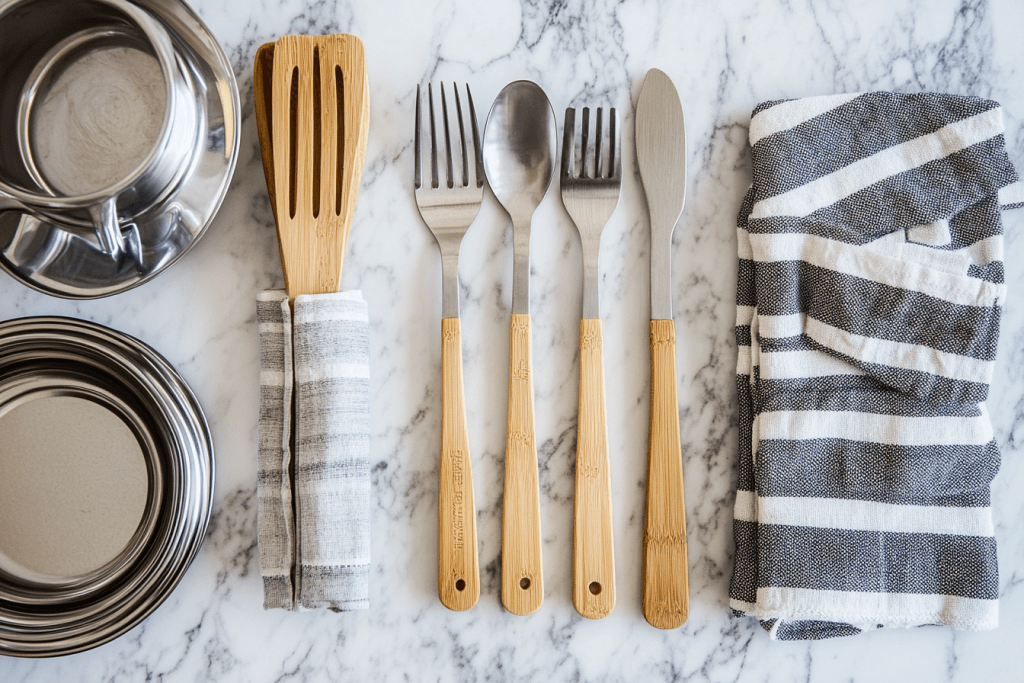
Flatware with decorative handles made from materials like wood or colored Bakelite can be especially prone to damage. Cracks, chips, or loose handles signal that these pieces are on their last legs. Once the glue or adhesive holding the handle in place starts to break down, it can be nearly impossible to repair them safely. For your safety (and to avoid an embarrassing mishap at dinner), it’s best to replace flatware with damaged handles.
5. Mismatched or Outdated Flatware
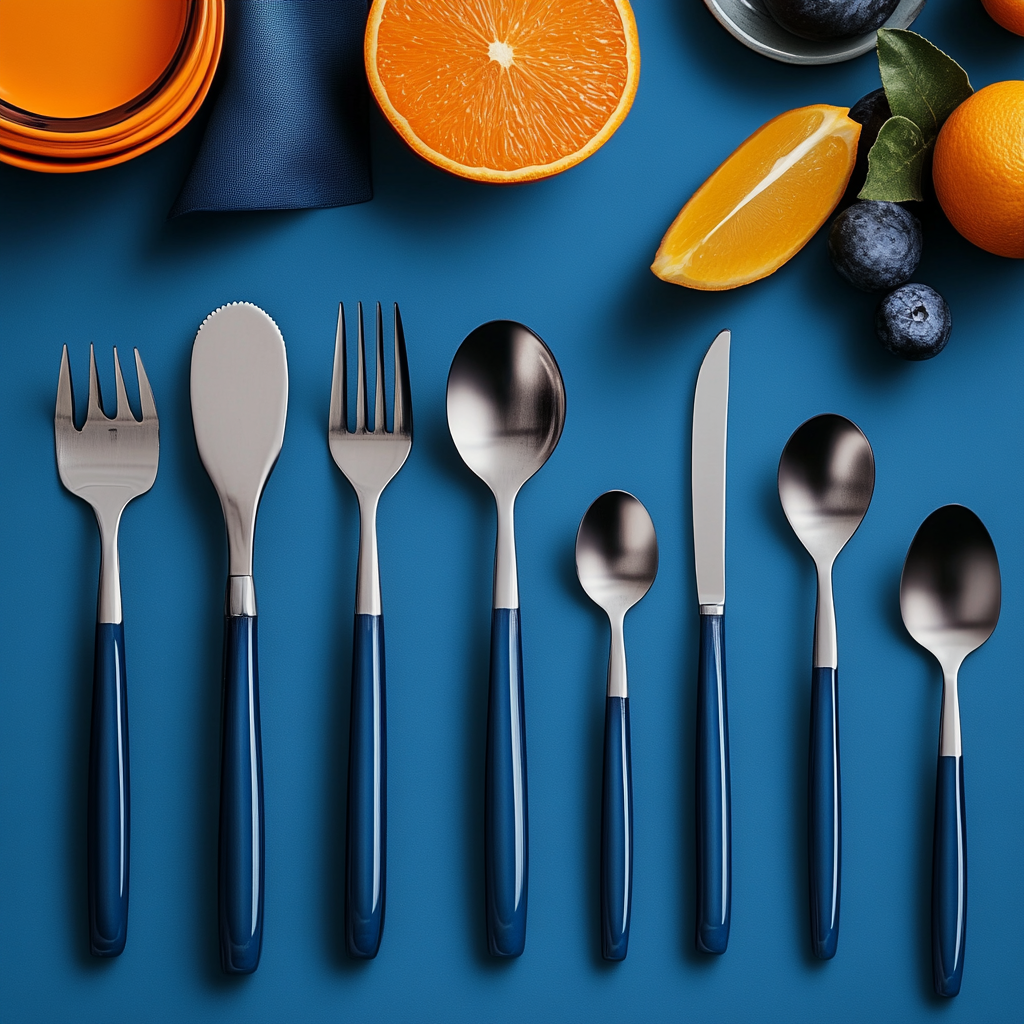
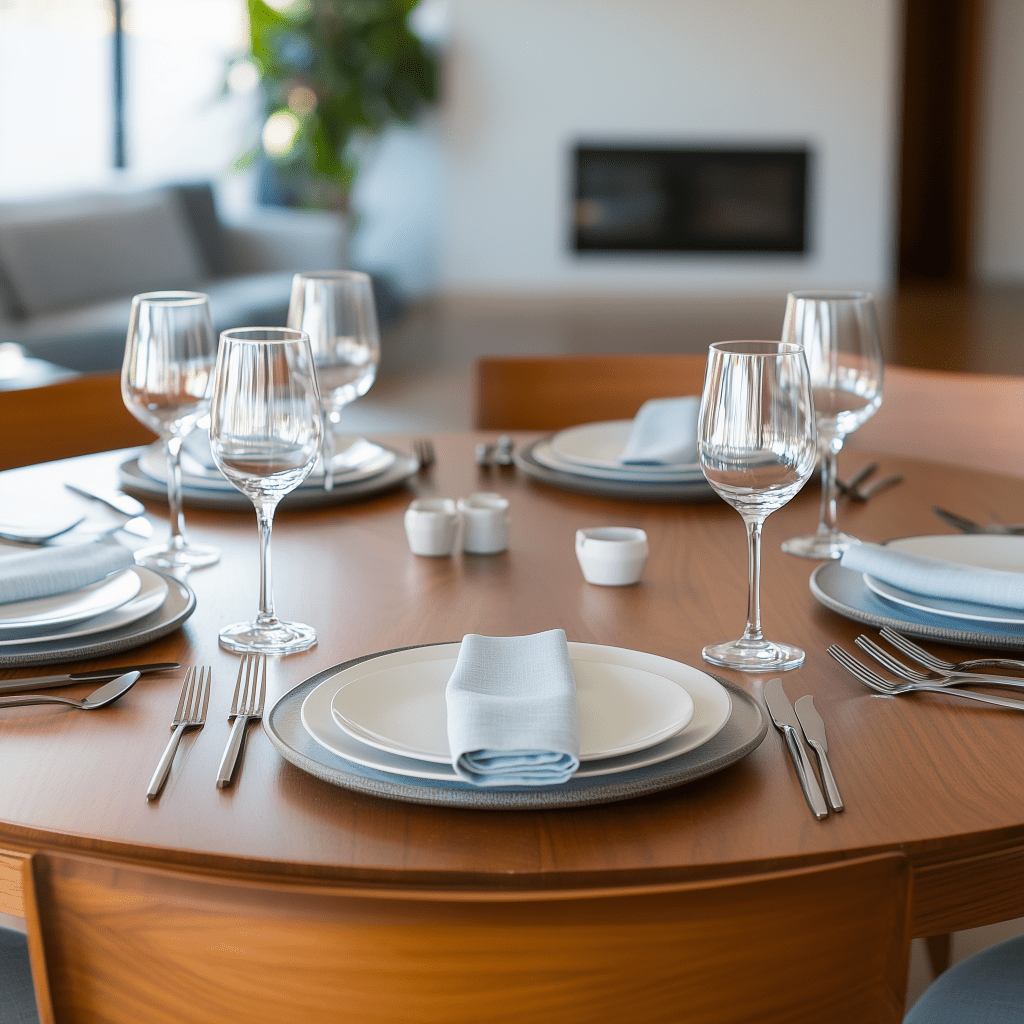
Sometimes, it’s not the condition of the flatware but a shift in your aesthetic preferences that signals it’s time for a change. Maybe you’ve upgraded your dining room’s style, and your old flatware doesn’t fit the new vibe. Or perhaps you’ve lost a few pieces over the years, leaving you with a mismatched set. Upgrading to a new, cohesive flatware set can instantly elevate the look of your dining table. When choosing replacements, consider investing in timeless designs that won’t go out of style too quickly.
Need to refresh your interiors?
Bonus Tip: Preventative Care for Your Flatware
The key to extending the life of your flatware is proper care. Always follow the manufacturer’s cleaning instructions, which may include handwashing, avoiding extremely hot water, and thoroughly drying pieces before storage. If your flatware has delicate handles or secondary materials, ensure they’re completely dry before putting them away to avoid moisture-related damage. For especially precious flatware, consider storing pieces wrapped in microfiber cloths to reduce scratches.
Our Take: Out With the Old, In With the New

If your flatware is showing signs of rust, wear, or just doesn’t fit your style anymore, it’s time to consider a replacement. Choosing a new set can breathe fresh life into your dining experience. Ready for more home inspiration? Visit the Homebliss blog for all your decor needs!


