Last updated on June 4th, 2024
Are your houseplants looking a little under the weather? It’s easy to think that a little water and sunlight will do the trick, but the truth is, plant care is a fine art. Whether you’re new to houseplants or you’ve been cultivating your indoor garden for years, you could be making some crucial errors that inhibit your plants’ growth.
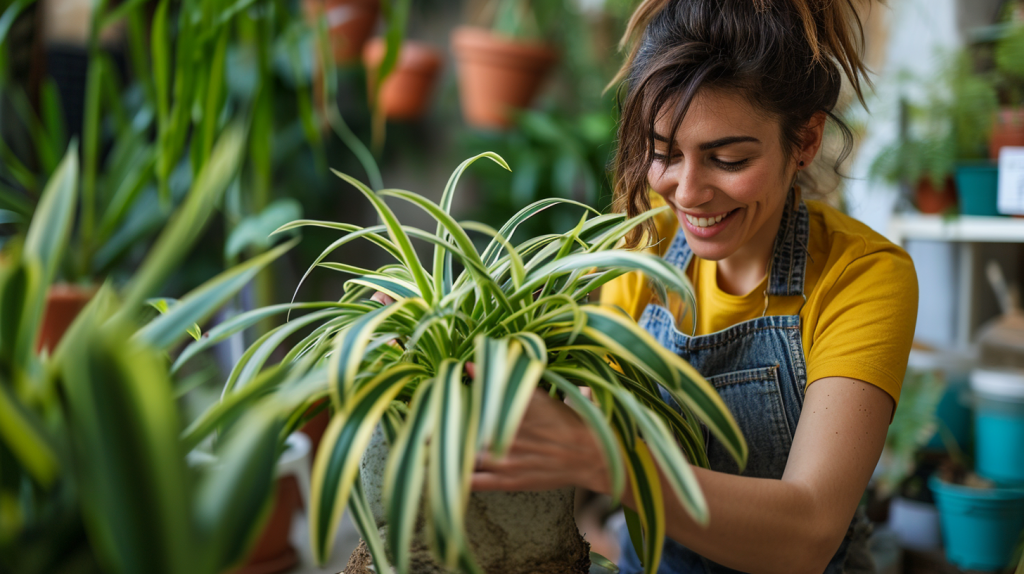
Here’s how to spot these common blunders and expert tips to get your green friends back on track.
1. Overwatering Your Plants
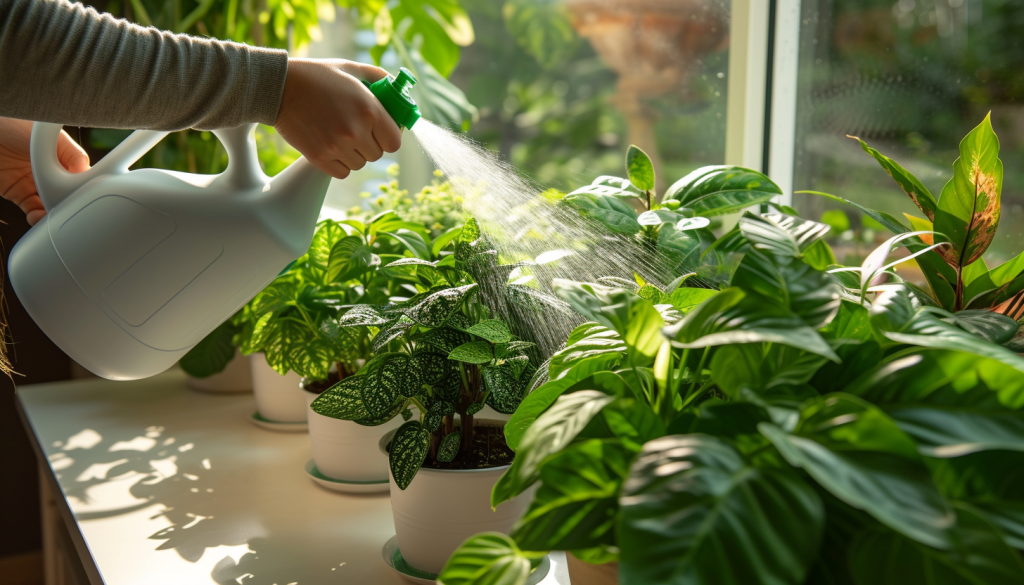
Water is life for plants, but too much can be just as harmful as too little. Overwatering is the leading cause of houseplant demise. It’s crucial to understand that most houseplants are better off too dry than too wet. To avoid overwatering, check the soil moisture with your finger before watering, ensuring the top inch is dry. Tailoring your watering schedule to the needs of each plant, rather than a set routine, can prevent root rot and other moisture-related diseases.
Need to refresh your interiors?
2. Exposing Plants to Excessive Sunlight
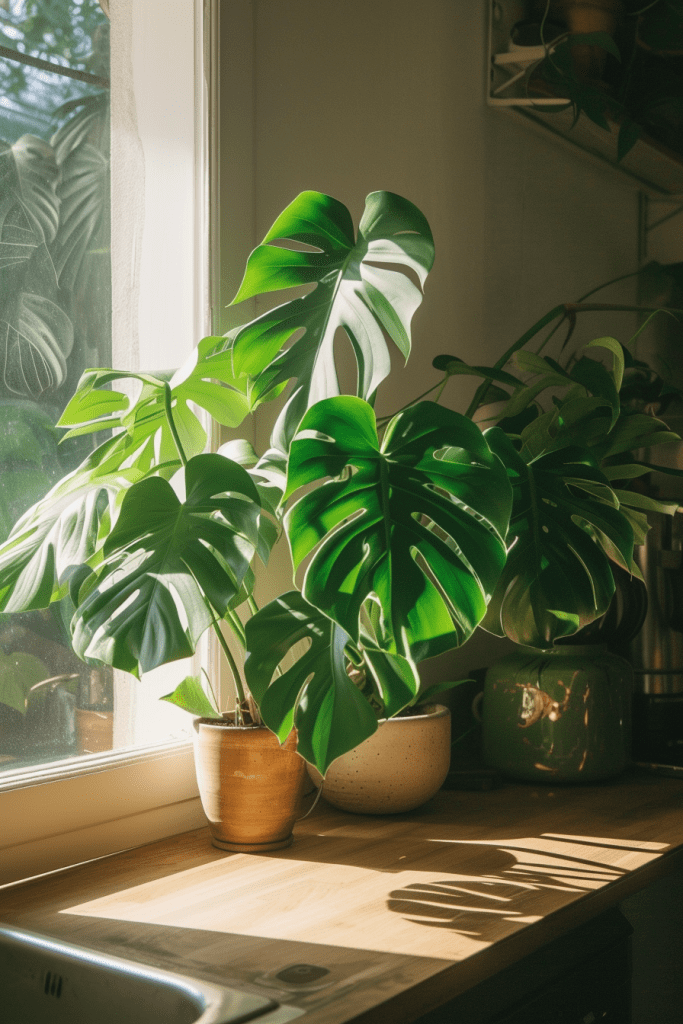
Just like humans, plants can get sunburns too! Placing a plant in direct sunlight might seem like a loving gesture, but it can lead to scorched leaves and faded colors. Most indoor plants flourish under indirect sunlight. If you notice signs of stress like wilting or brown spots, consider moving your plants to a shadier spot or use sheer curtains to diffuse the direct sunlight, protecting your plants from the harsh rays.
3. Using Pots Without Drainage Holes
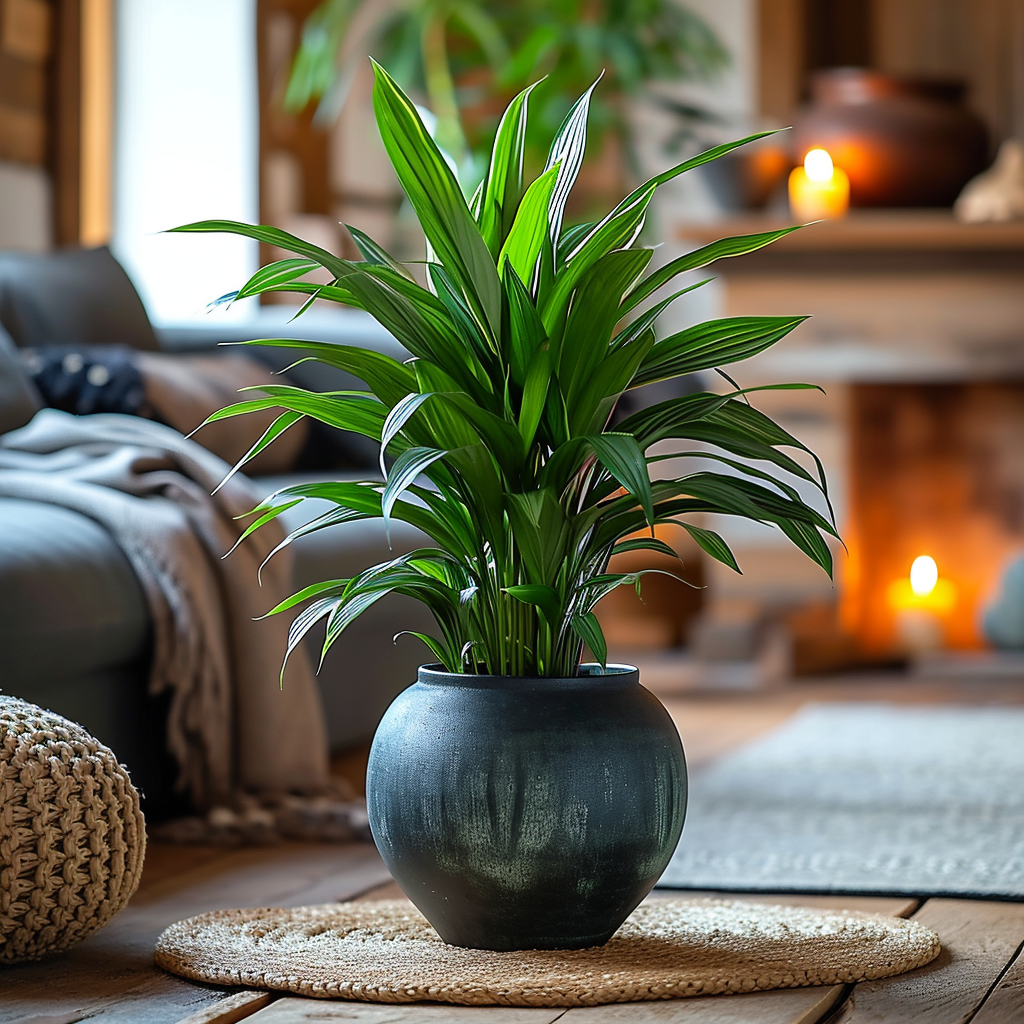
While decorative pots without drainage holes may look chic, they can cause significant issues for your plants by trapping excess water. Always choose pots with drainage holes, and consider adding a layer of pebbles at the bottom to further ensure good drainage. This prevents water from pooling at the roots, a common cause of root rot.
Interiors on your mind?
4. Choosing Improper Pot Sizes
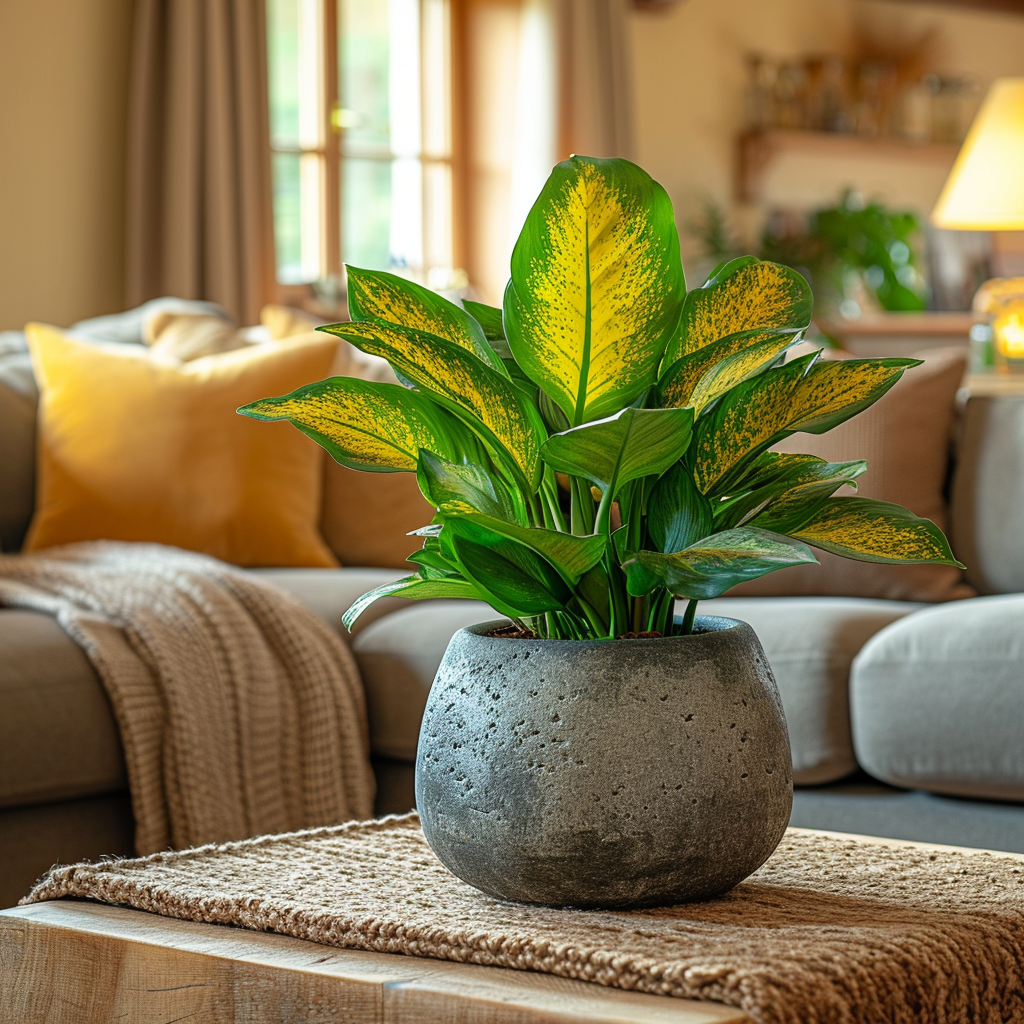
A pot that’s too large can hold excessive soil that retains water, while a pot that’s too small can restrict root growth, stressing the plant. Finding the right-sized pot is more than just aesthetics; it’s about health. When repotting, look for signs that your plant is ready for a bigger home—such as roots growing through the bottom of the pot—and choose a new pot that gives your plant room to grow without being oversized.
Also Read: 7 Unique Spots To Add Plants In Your Home
5. Neglecting Plant Nutrition
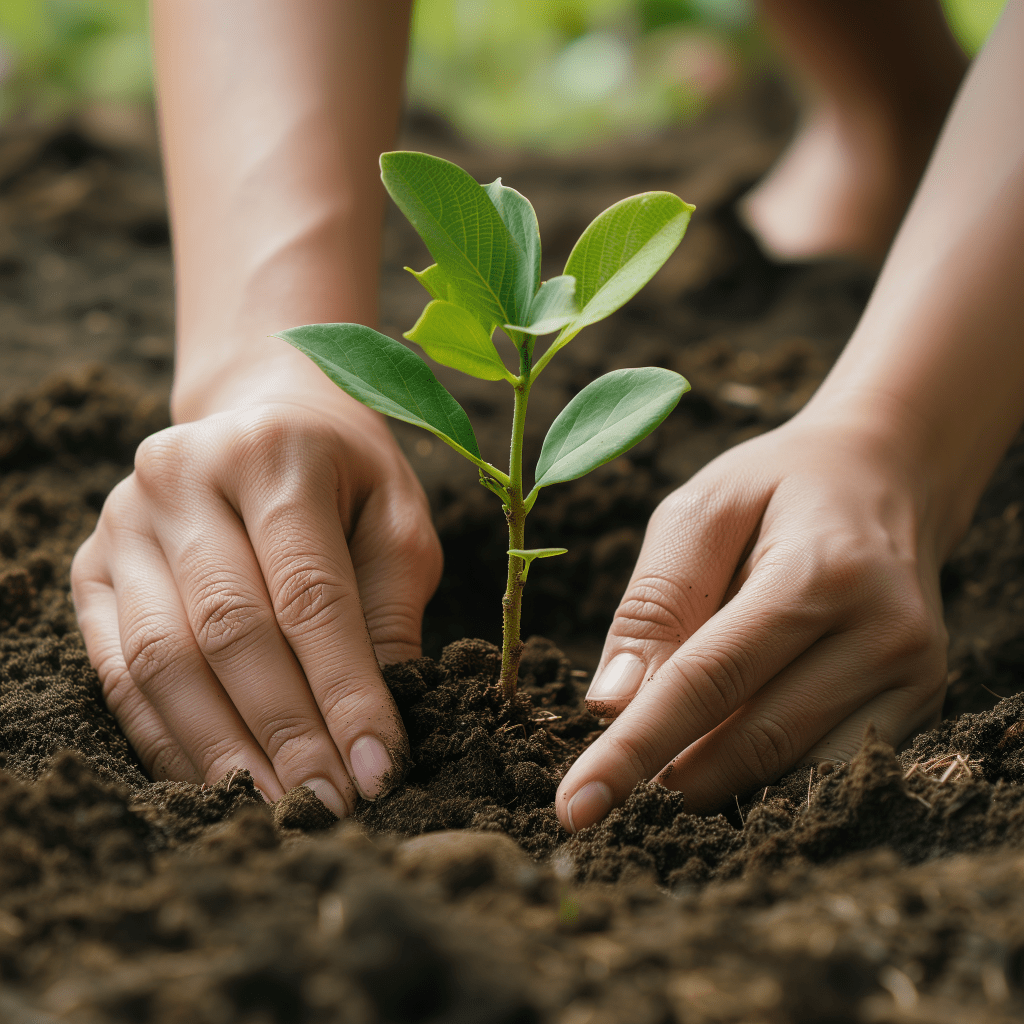
Plants don’t just live off water and love; they need nutrients too, especially in the confined environment of a pot. Nutrient depletion in potting soil can lead to pale leaves and stunted growth. Supplementing with a balanced, water-soluble fertilizer during the growing season can revitalize your indoor garden, encouraging lush foliage and flowers.
6. Ignoring Humidity Requirements
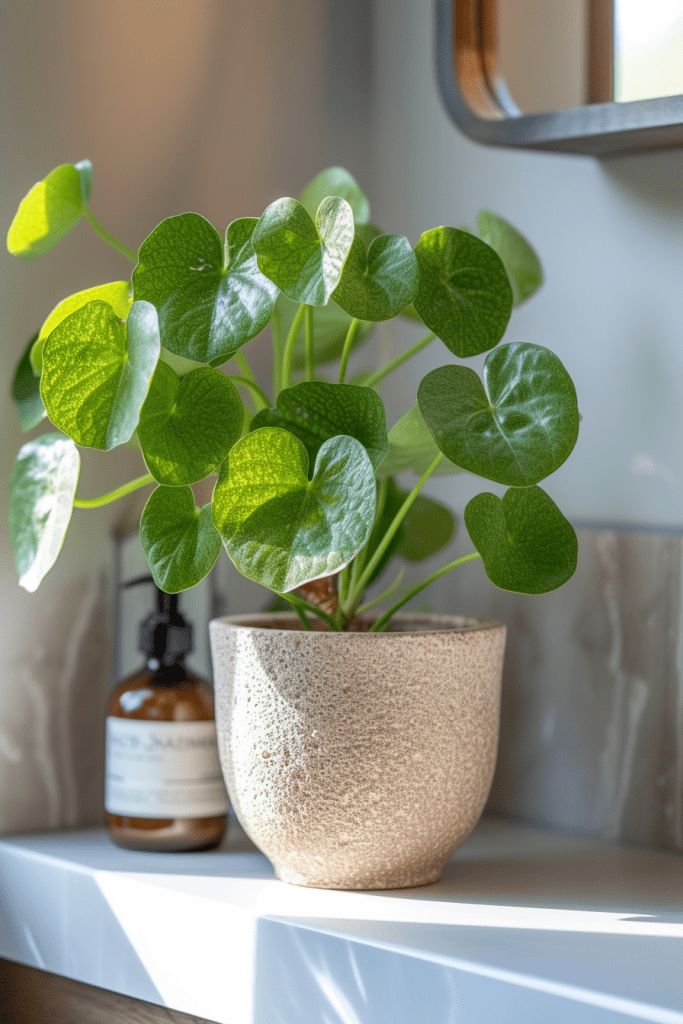
Each plant species has unique humidity needs based on its native habitat. Many tropical plants, for example, thrive in high humidity environments, while desert plants prefer dry air. Using a room humidifier, misting your plants regularly, or placing a water tray near your heating system are ways to adjust the humidity to suit your plants, fostering a healthier growth environment.
Also Read: Discover The Top 5 Plants Perfect For Indian Homes
Cultivate with Care

Addressing these six common houseplant care mistakes can dramatically enhance the vitality of your indoor garden. Remember, every plant has its own set of specific needs. By fine-tuning your care routine and paying attention to the particular requirements of each species, you can create a thriving indoor oasis.
For more expert gardening tips and creative indoor plant ideas, visit our blog at Homebliss.in. We’re here to help you nurture every leaf and bud in your home garden!