
Last updated on November 14th, 2024
Let’s face it: the microwave is a kitchen MVP. It heats up leftovers, pops popcorn for movie night, and is often the go-to for quick meals. But, as much as we love our microwaves, they can get messy—fast. Cleaning out food splatters and smells is a must, but not every cleaning method is microwave-friendly. In fact, using the wrong products can damage your microwave and even pose safety risks.
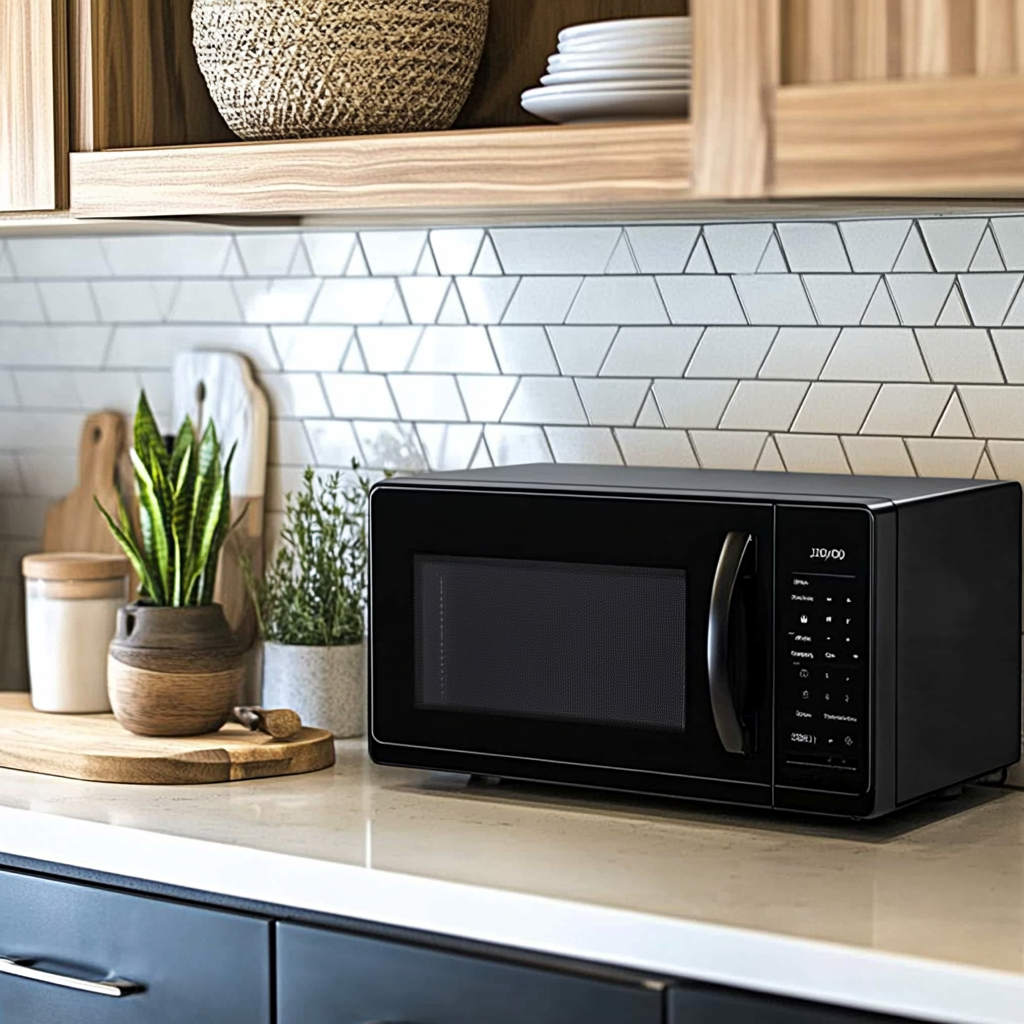
Want to avoid those mistakes? We’ve got your back! Here are five things you should never use to clean your microwave and what to use instead for a safe, sparkling appliance.
Looking to get your interiors done?
1. Abrasive Sponges: Scratches Aren’t Cute
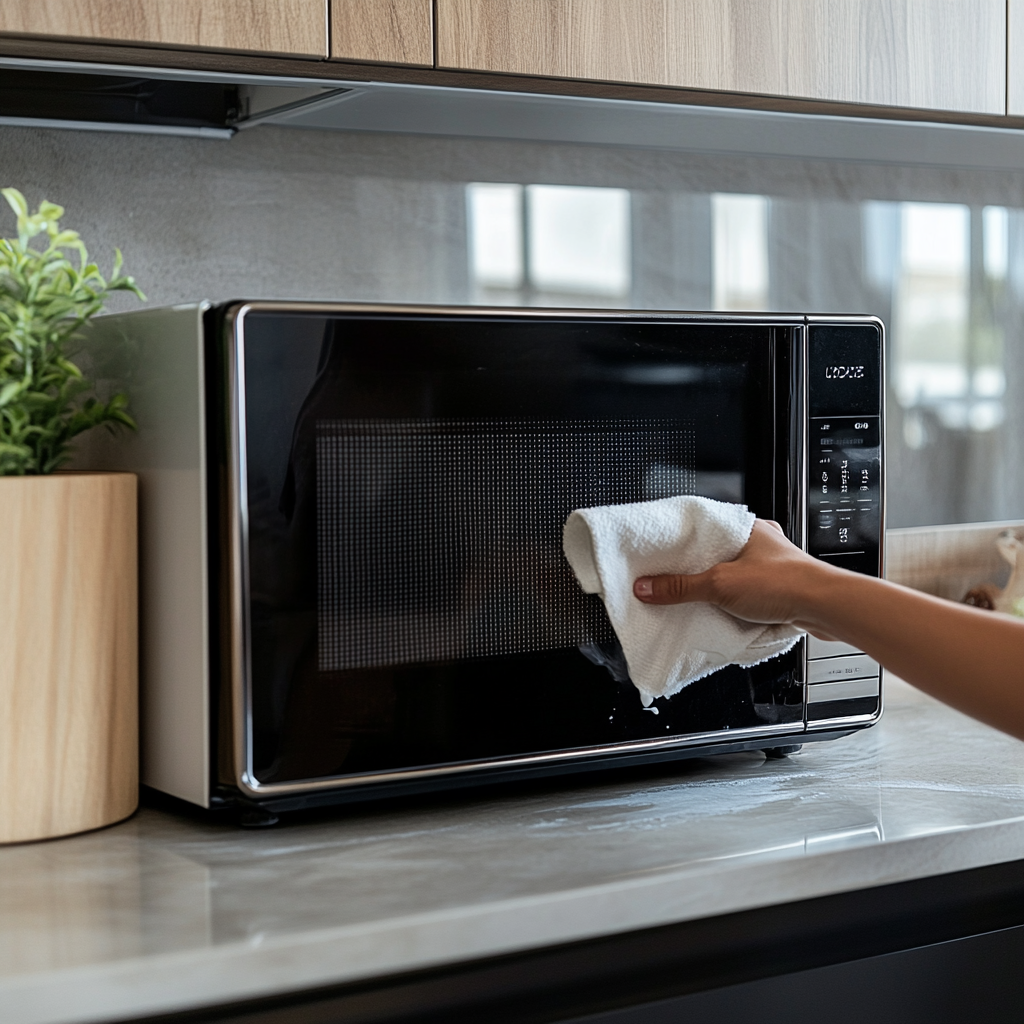
Abrasive sponges might be your go-to for scrubbing tough stains on pots and pans, but they’re a big no-no for your microwave. These rough sponges can scratch the interior, especially if your microwave has a non-stick coating. Those tiny scratches not only make future cleaning harder but can also become hiding spots for bacteria. Yikes!
Instead, opt for a soft microfiber cloth or a gentle, non-scratch sponge with warm, soapy water. These are gentle on your microwave’s surfaces and still effective at removing grime.
Interiors in need of an upgrade?
2. Bleach: Not in This Box

Bleach is a cleaning superhero for many tasks, but it has no business in your microwave. When used in enclosed spaces like microwaves, bleach can leave behind toxic fumes that linger long after you’ve cleaned. The next time you heat up your food, those fumes can mix with your meal. Gross, right?
A much safer and natural alternative is a mixture of vinegar and water. This combo is not only effective at cutting through grime, but it also sanitizes your microwave without the worry of harmful fumes. Just heat the mixture in a microwave-safe bowl for a few minutes to create steam, then wipe down the interior.
3. Metal Scouring Pads: Recipe for Disaster
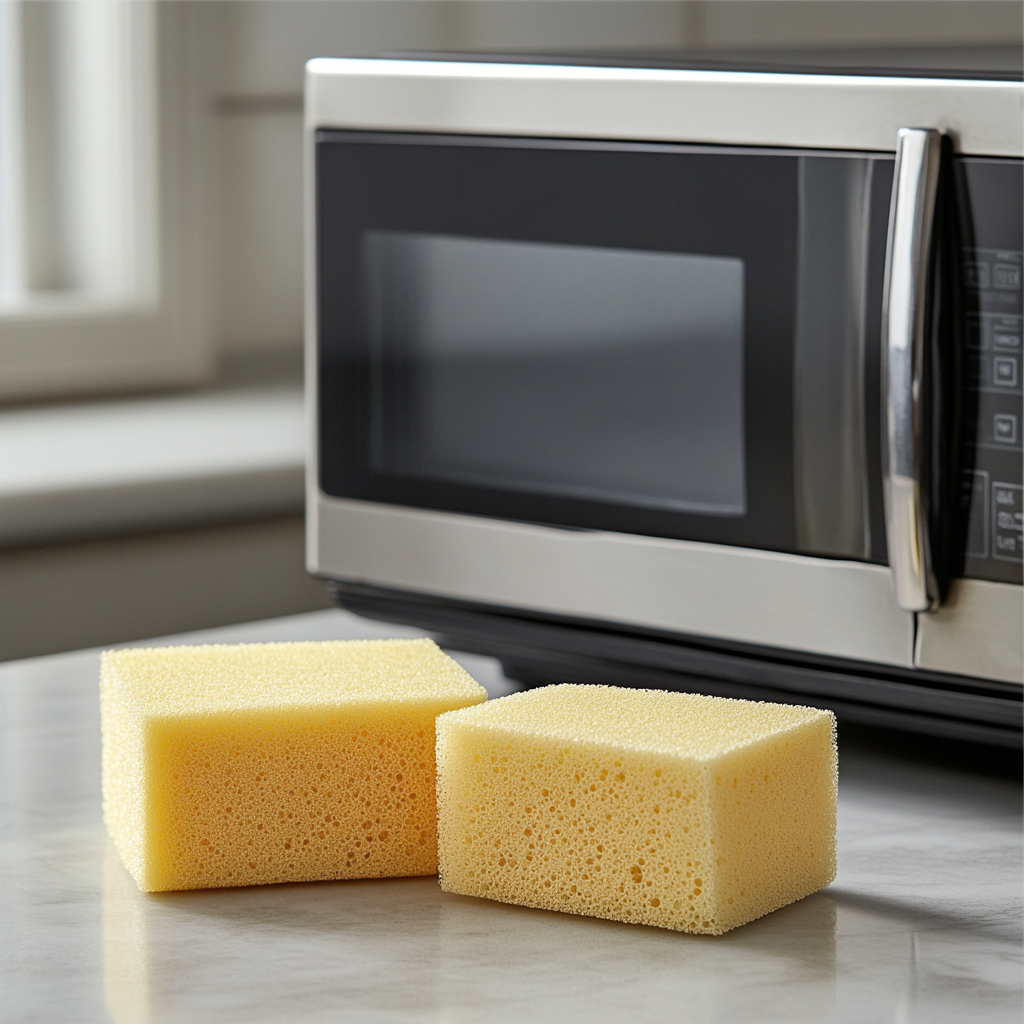
Metal and microwaves? Bad idea. Using metal scouring pads to scrub the inside of your microwave is not just risky—it’s dangerous. Metal can cause sparks and potentially damage the microwave’s interior. Worse, any small metal fragments left behind can cause a fire hazard the next time you use the microwave.
For tough spots, try using a non-scratch sponge or rely on the power of steam from a vinegar and water mixture to loosen up stubborn grime. This method is much safer and won’t risk damaging your microwave.
4. Ammonia-Based Cleaners: Toxic Trouble
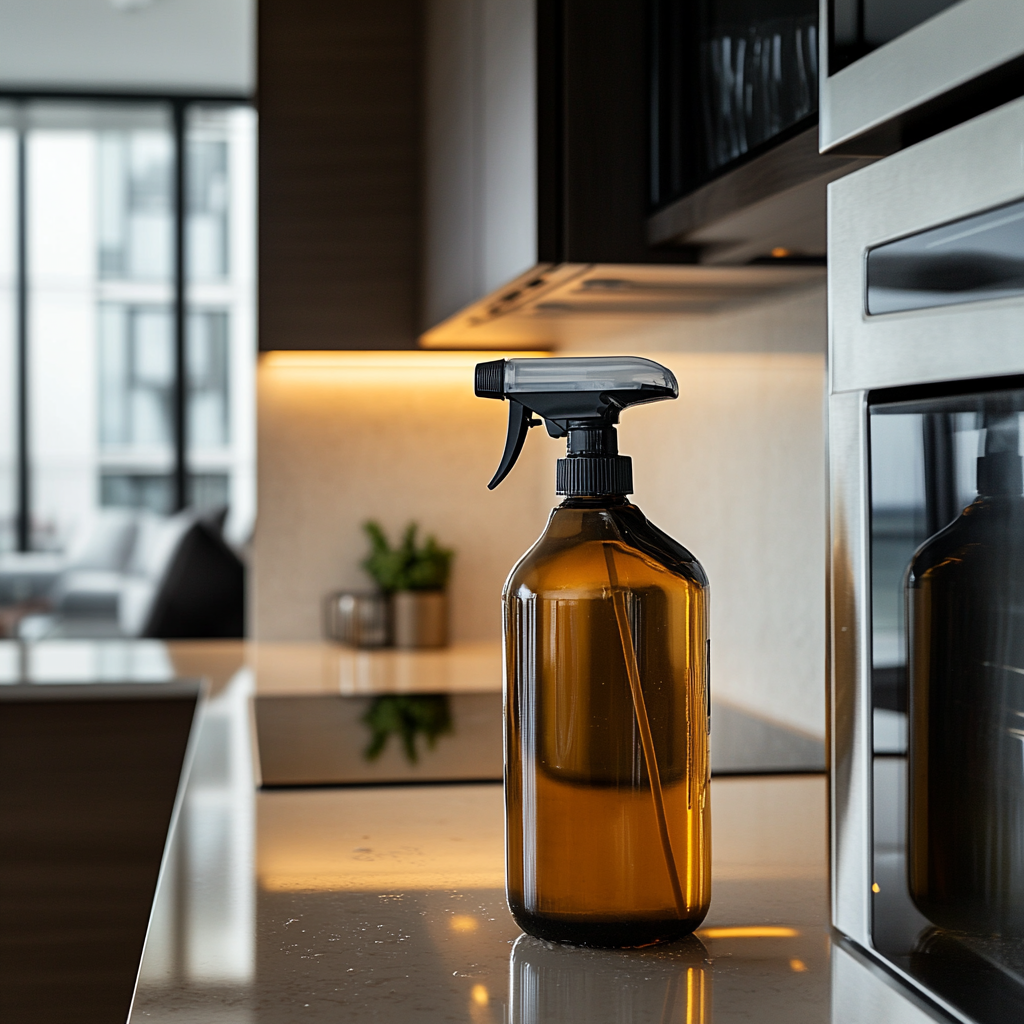
Ammonia-based cleaners are often touted as effective, but they can leave behind strong fumes inside your microwave that could end up affecting the taste of your food. Besides, ammonia isn’t something you want lingering around in a confined space where you regularly heat up meals.
A better option is a simple homemade cleaning solution using water, a drop of dish soap, and a splash of vinegar. This combination cuts through grease and food residue while leaving your microwave smelling fresh—without the risk of toxic fumes.
Need to refresh your interiors?
5. Harsh Chemicals: Not Worth the Risk

Powerful oven cleaners and harsh chemicals might seem like they’ll get the job done faster, but they can do more harm than good in your microwave. These chemicals can leave behind residues that are hard to remove, and when the microwave heats up, they can emit harmful fumes that you definitely don’t want in your food.
Instead, a paste made from baking soda and water works wonders for cleaning those stubborn spots in your microwave. It’s non-toxic, gentle, and effective at removing stuck-on food without leaving any chemical traces behind.
Our Take: Keep It Safe, Simple, and Scratch-Free

Your microwave works hard, so it deserves a little TLC. The key to keeping it clean and damage-free is avoiding abrasive tools and harsh chemicals that can do more harm than good. Instead, stick with gentler options like microfiber cloths, vinegar, and baking soda to keep your microwave looking and smelling fresh.
Want more kitchen cleaning tips? Head over to the Homebliss blog for eco-friendly hacks and expert advice to keep your home in top shape without the hassle.


