
Last updated on March 13th, 2025
A well-designed home is more than just visually appealing—it should be a space that engages all your senses in the most comforting and delightful way. Imagine stepping into a room that not only looks stunning but also smells inviting, feels cozy, sounds peaceful, and even has a corner that tempts your taste buds. Creating an environment that stimulates all five senses enhances your experience of home and elevates everyday living.

Designing with sensory elements in mind ensures that your home isn’t just a place to live, but a place to truly feel at home. Whether it’s the warmth of natural materials, the soothing sound of flowing water, or the aroma of fresh flowers, every detail contributes to a holistic and immersive experience. Let’s explore how you can bring this thoughtful approach to your space.
Looking to get your interiors done?
The Power of Sight: Colors, Lighting, and Visual Harmony
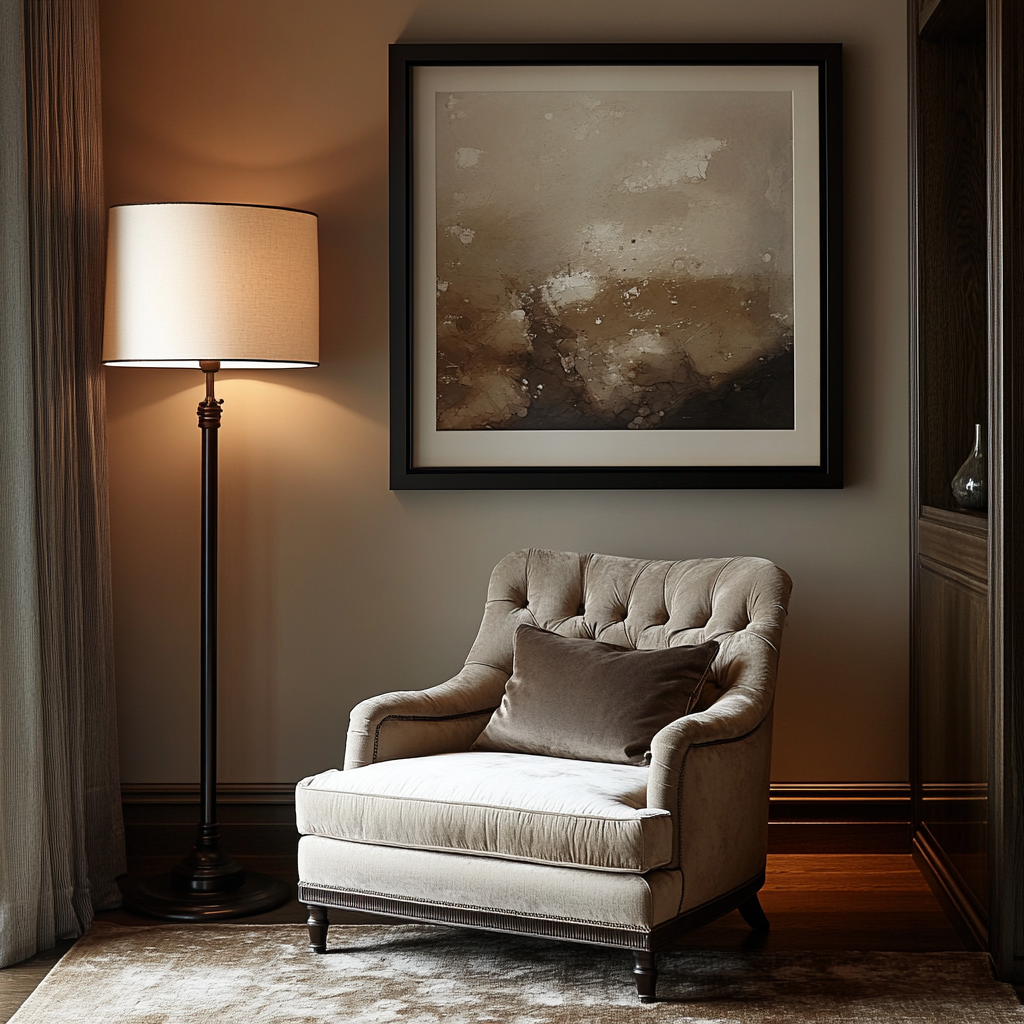
The way a space looks directly affects emotions, setting the mood for relaxation, focus, or energy. Color psychology plays a key role in shaping the ambiance of a room. Warm tones such as soft beiges, muted oranges, and golden hues create a cozy and inviting atmosphere, while cool shades like blues and greens promote calmness and tranquility.
Balance is essential in visual design, and symmetry helps create a sense of order and serenity. Arranging furniture, art, and decor symmetrically brings harmony to a space, making it feel more put-together. A focal point, such as an eye-catching painting, a unique piece of furniture, or a statement light fixture, draws the eye and anchors the room’s design.
Lighting plays a crucial role in enhancing visual comfort. Warm lighting in cozy areas like bedrooms and living rooms fosters relaxation, while bright, cool lighting in kitchens and workspaces promotes efficiency. Dimmable lights, fairy lights, and layered lighting techniques can add depth and flexibility to your space, allowing you to adjust the ambiance as needed.
Interiors in need of an upgrade?
Touch: Textures That Make a Space Feel Inviting

Texture brings depth and dimension to a room, making it feel inviting and comfortable. The interplay between soft, smooth, rough, and natural textures enhances a home’s sensory appeal. Layering materials such as velvet cushions, wool throws, wooden furniture, and stone surfaces creates a space that is visually dynamic yet cozy to the touch.
Walls can also engage the sense of touch. Textured wallpapers, exposed brick, or 3D wall panels add character and warmth. Natural elements like wood and stone bring an organic, earthy feel that enhances a room’s coziness.
Incorporating plush rugs, knitted throws, and soft upholstered furniture enhances the tactile experience of a room. Velvet chairs add a luxurious feel, while woven rattan and linen provide a breezy, relaxed texture that is perfect for casual living spaces.
Sound: Creating a Relaxing and Uplifting Atmosphere

A home filled with pleasant sounds can instantly feel more relaxing and welcoming. The soft rustle of curtains, the gentle hum of background music, or the calming trickle of water from an indoor fountain all contribute to a peaceful atmosphere.
Soundproofing materials help minimize unwanted noise and create a serene indoor retreat. Thick curtains, plush carpets, and upholstered furniture absorb sound, reducing echoes and outside noise. White noise machines or nature-inspired soundscapes, such as ocean waves or birdsong, can also elevate a room’s ambiance.
For those who love music, integrating speakers throughout the home allows for a curated sound experience, setting the mood for different activities. A soft jazz playlist in the evening or instrumental tunes in the morning can make daily routines feel more enjoyable.
Need to refresh your interiors?
Smell: Aromas That Instantly Transform a Space

Scents have the power to influence mood and emotions, making them an essential element of sensory design. Introducing pleasant fragrances through essential oils, scented candles, fresh flowers, or incense can enhance the atmosphere of a home.
Each room can have a distinct aroma to suit its function. Lavender and chamomile in the bedroom promote relaxation, while citrus and rosemary in the kitchen add freshness and energy. Eucalyptus in the bathroom creates a spa-like experience, and warm vanilla or cinnamon in the living room brings a sense of comfort.
An easy way to maintain a fresh-smelling home is by incorporating fragrant plants like jasmine, gardenia, or mint. An herb garden in the kitchen not only adds flavor to meals but also fills the space with natural, earthy aromas.
Taste: Designing a Home That Encourages Culinary Delights

A well-designed kitchen and dining space should engage the sense of taste, making meal preparation and dining an enjoyable experience. A beautifully arranged spice rack, a thoughtfully set dining table, or a kitchen layout that encourages gathering and interaction all contribute to a pleasurable culinary environment.
Adding a small herb garden to the kitchen enhances both the visual and functional appeal of the space. Fresh basil, thyme, and mint not only look beautiful but also provide homegrown flavors for cooking. Open shelving with neatly displayed ingredients, stylish dinnerware, and fresh fruit bowls can transform the kitchen into a welcoming space that celebrates food.
The dining area can be designed to feel more inviting with elegant tableware, comfortable seating, and soft lighting. A well-curated tablescape with fresh flowers, linen napkins, and a mix of textures elevates the dining experience, making meals feel like a special occasion.
Final Thoughts: Designing a Home That Feels as Good as It Looks

A home that engages all five senses transforms daily living into a more enriching and enjoyable experience. By carefully considering color, lighting, texture, sound, scent, and taste, you can create a space that nurtures well-being and feels truly inviting.
Designing for the senses goes beyond aesthetics—it’s about creating an environment that soothes, inspires, and brings comfort in every possible way. Whether through soft furnishings, calming scents, or a harmonious layout, small changes can make a big impact on how your home feels.
For more inspiration on creating a home that speaks to all the senses, visit Homebliss and explore expert design ideas tailored for comfort and style.


