
Last updated on February 25th, 2026
Acrylic paint often gets talked about like a miracle product. Some swear by it for wall art and accents, while others aren’t sure if it belongs anywhere near a full wall. The confusion usually comes from not knowing where acrylic paint works best and how it should be used.

So let’s simplify things. Acrylic paint is good for walls—but not in the same way as regular wall paint. When used thoughtfully, it can be incredibly versatile, durable, and creative.
Why Acrylic Paint Is So Popular

Acrylic paint is water-based, which makes it easy to apply, quick to dry, and low on fumes. It’s flexible once dry, meaning it resists cracking and fading better than many traditional paints. It also layers beautifully, which makes it forgiving if you need to fix mistakes or build depth with color.
This is why acrylic paint shines in design-forward applications rather than large, flat wall coverage.
Looking to get your interiors done?
Living Rooms: Best For Feature Moments

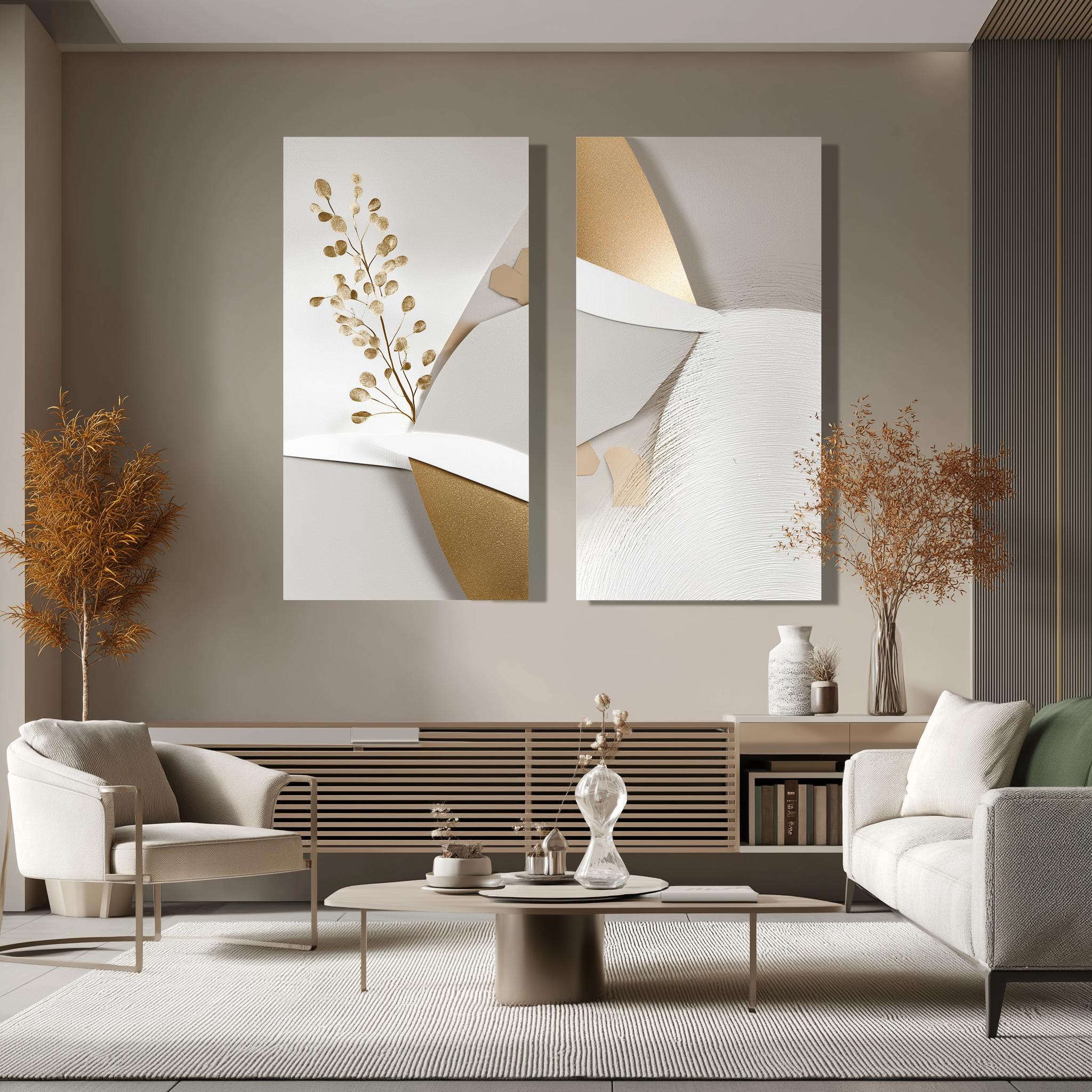
In living rooms, acrylic paint works beautifully for accent walls, murals, textures, and artistic finishes. Think abstract designs, geometric patterns, or hand-painted details behind sofas or TV units.
Using acrylic paint here allows you to create visual drama without repainting the entire room. Seal it properly, and it holds up well in high-use spaces.
Bedrooms: Soft Art Over Full Coverage

Bedrooms benefit most from acrylic paint when it’s used subtly. Hand-painted headboard walls, soft gradients, or minimal motifs work better than fully painted acrylic walls.
Because acrylic dries fast and doesn’t smell strongly, it’s great for bedroom projects where you don’t want long drying times or lingering odors.
Looking to get your interiors done?
Kitchens: Good For Art, Not Entire Walls

Acrylic paint can work well in kitchens for decorative elements, like painted backsplashes (with proper sealing), wall art, or color blocks in dining corners.
However, for full kitchen walls exposed to heat, grease, and moisture, traditional washable wall paint is a better choice. Acrylic shines here as an accent, not the main player.
Bathrooms: Use With Caution

Bathrooms are tricky. Acrylic paint can be used for decorative details or wall art, but it must be sealed extremely well to handle humidity.
It’s best avoided for full bathroom walls unless ventilation is excellent and a waterproof sealant is applied. Think of it as a design tool, not a moisture solution.
Balconies, Stairwells And Utility Spaces

In covered balconies, stairwells or semi-outdoor areas, acrylic paint works well for murals or creative walls. Its flexibility helps it handle small temperature changes better than some paints.
That said, it still needs a protective coat to survive sun exposure and occasional moisture.
Looking to get your interiors done?
Kids’ Rooms And Creative Corners

This is where acrylic paint truly shines. It’s perfect for chalkboard-style walls, playful illustrations, learning zones, or DIY art corners. It dries quickly, allows layering, and can be corrected easily if designs change.
For spaces meant to evolve, acrylic paint offers freedom regular wall paint doesn’t.
So, Should You Use Acrylic Paint On Walls?
Yes—but intentionally. Acrylic paint is best for art, accents, and creative expression, not as a replacement for standard wall paint across an entire room.
When paired with proper sealing and used in the right spaces, it adds personality, durability, and flexibility that few other paints can match.
Explore more easy, honest home design advice with HomeBliss! From paint choices to everyday upgrades, we help you make confident decisions that actually work for real homes.


