Last updated on June 22nd, 2026
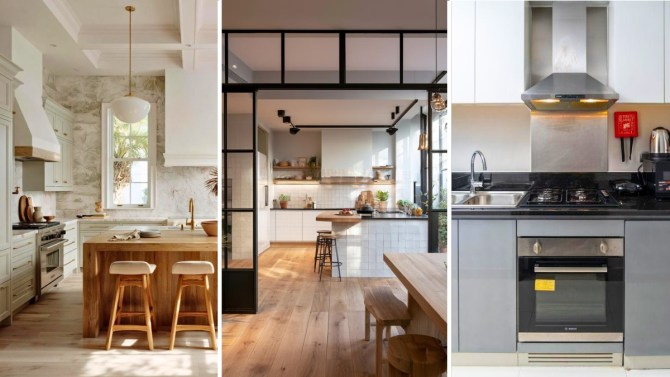
Open kitchens look great. They feel spacious, social, and connected to the rest of the home. But anyone who actually cooks regularly knows the downside—mess, smells, and constant visibility.
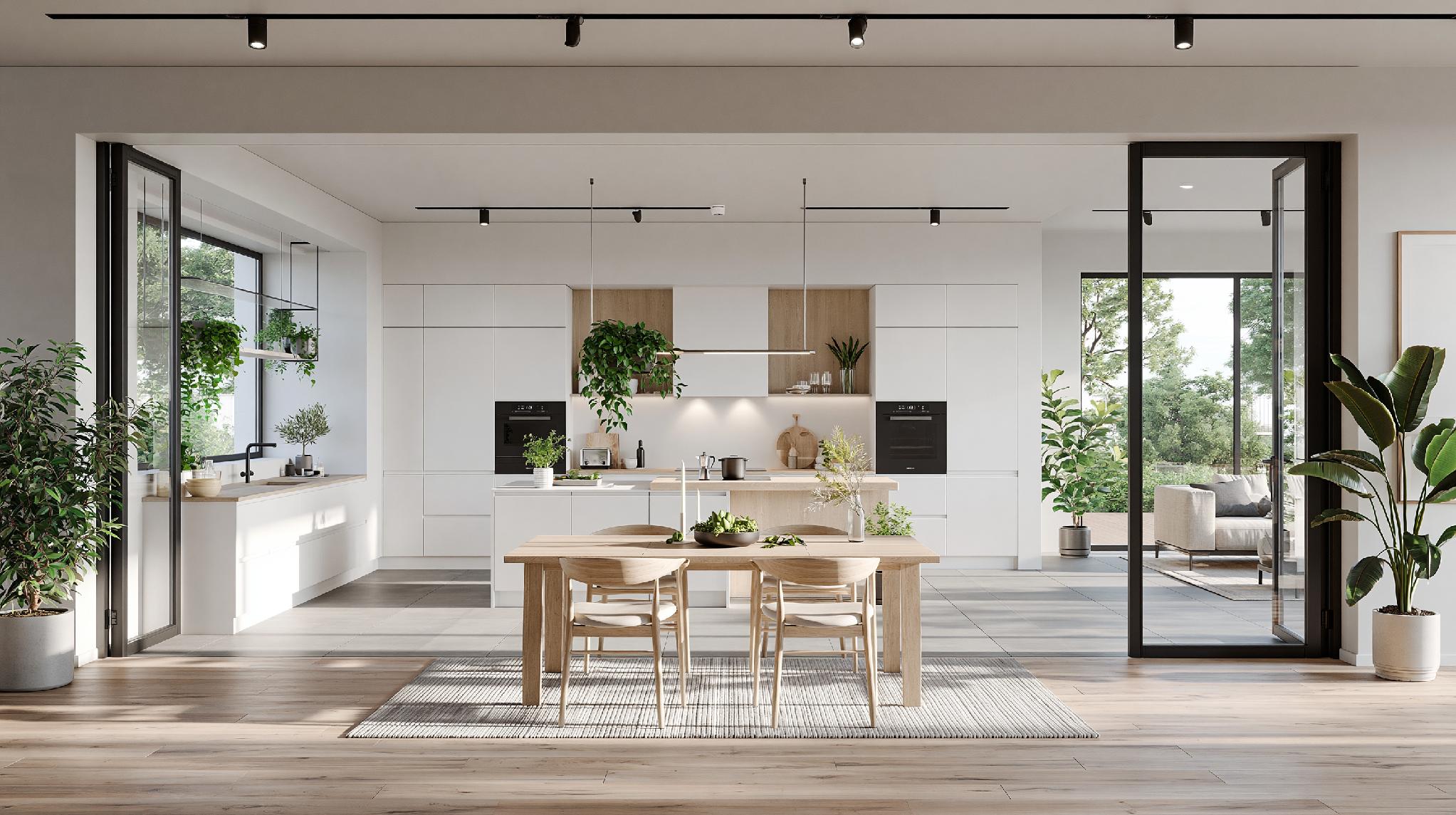
Closed kitchens solve that—but then you lose the openness.
So here’s the real solution designers are leaning toward now: a kitchen that can do both. Sounds like something you’d want to try?
Keep It Open When You Want The Space
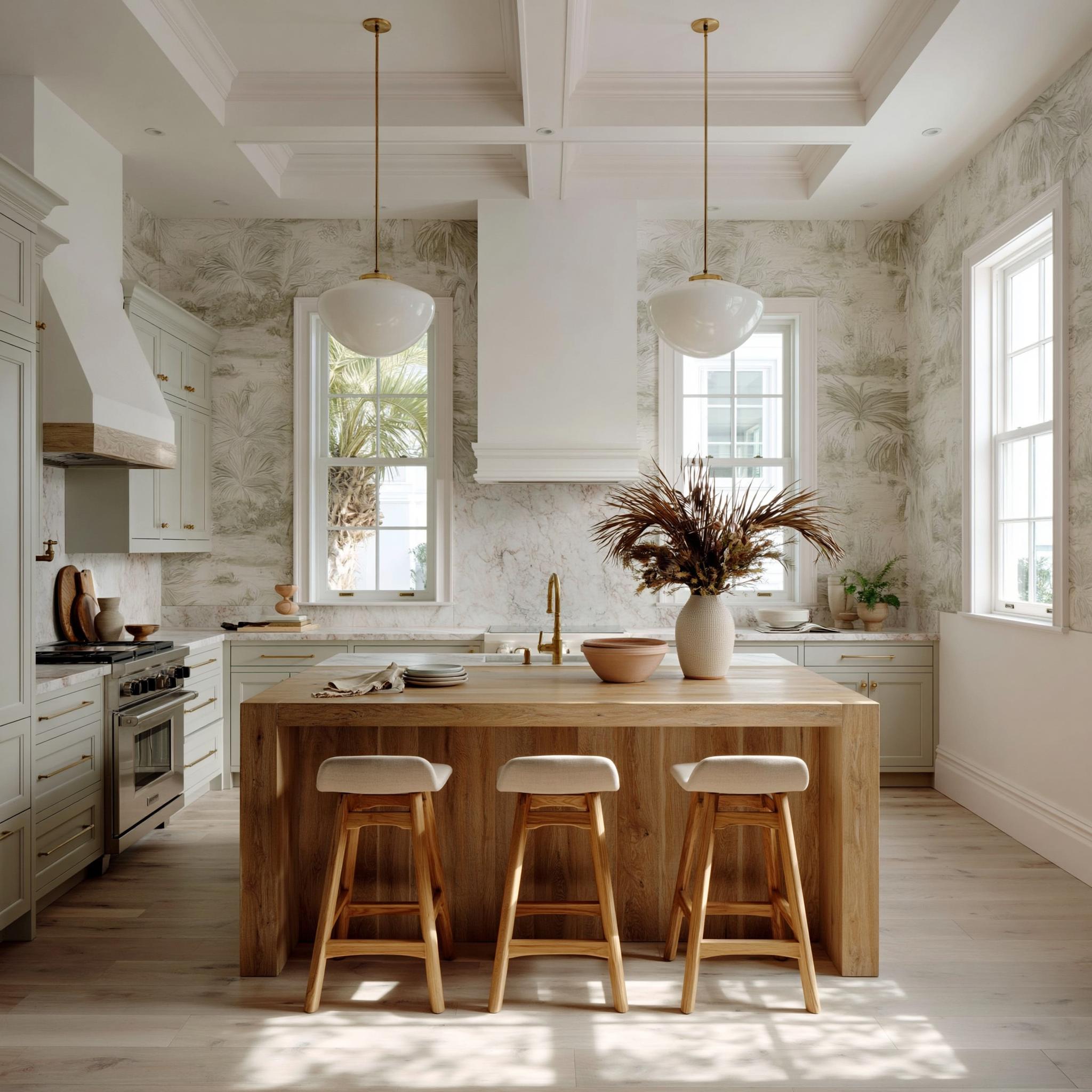
An open kitchen makes everyday life easier. It allows light to flow through, keeps conversations going, and makes the entire home feel bigger. For families and entertaining, this layout just works better.
That’s why most people don’t want to give it up completely.
Looking to get your interiors done?
Close It When You Need A Break

But not every moment needs to be open. Cooking can get messy. Guests don’t need to see everything. And sometimes, you just want to contain smells and noise.
Having the option to close off your kitchen—even partially—gives you control without changing the layout permanently.
Sliding Doors Give You Instant Flexibility
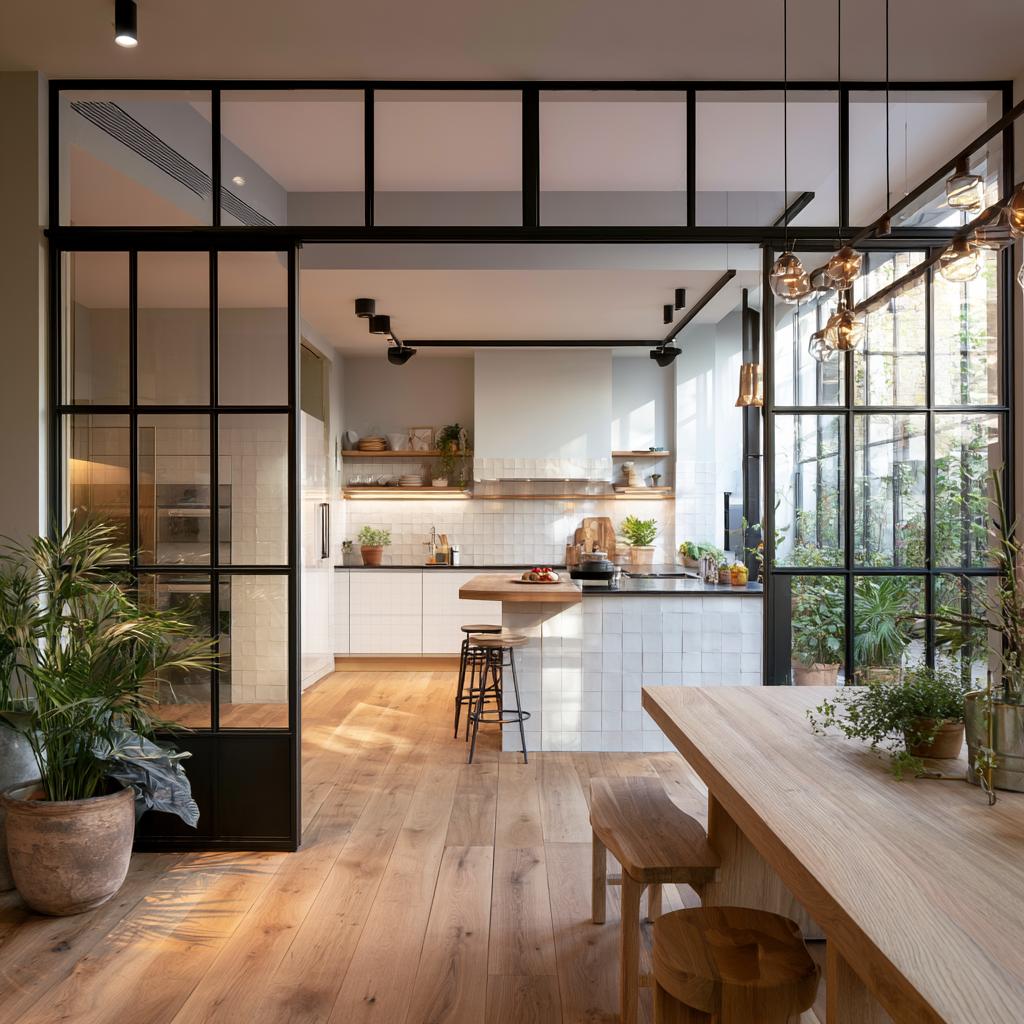
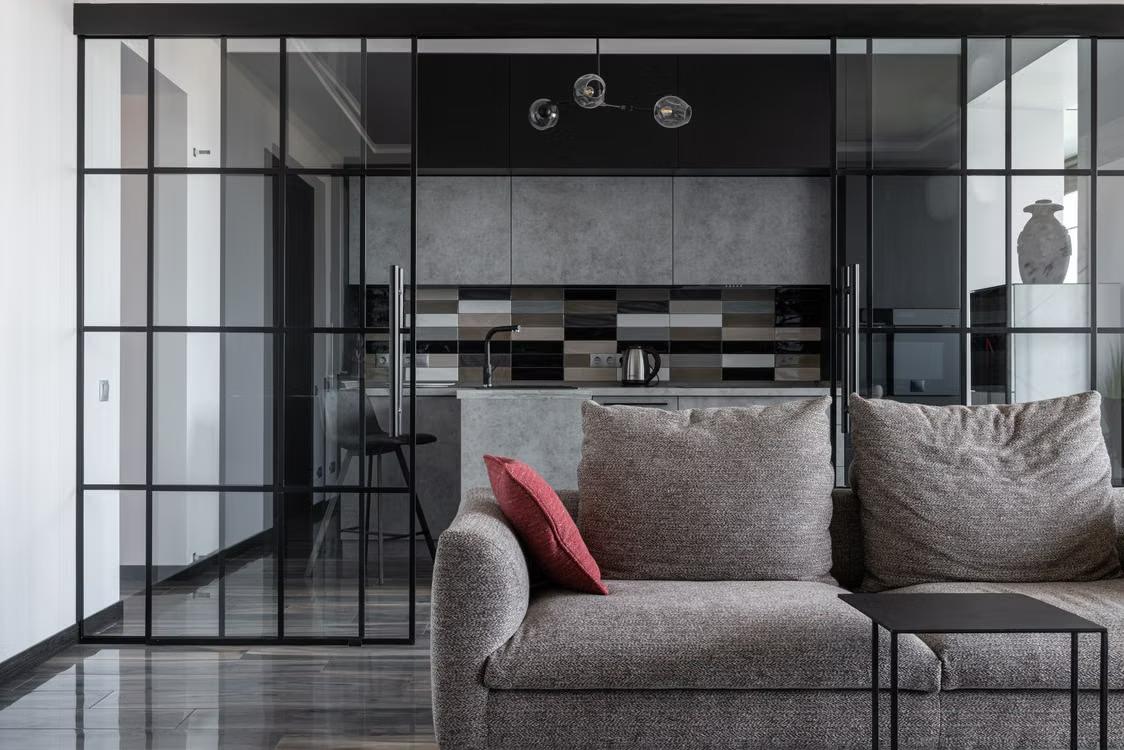
This is one of the easiest ways to create a hybrid kitchen. Large sliding doors can keep the kitchen fully open most of the time. But when needed, you can simply slide them shut to hide the mess or create separation.
Glass or translucent panels work especially well because they don’t block light completely.
Looking to get your interiors done?
Partial Barriers Work Just As Well
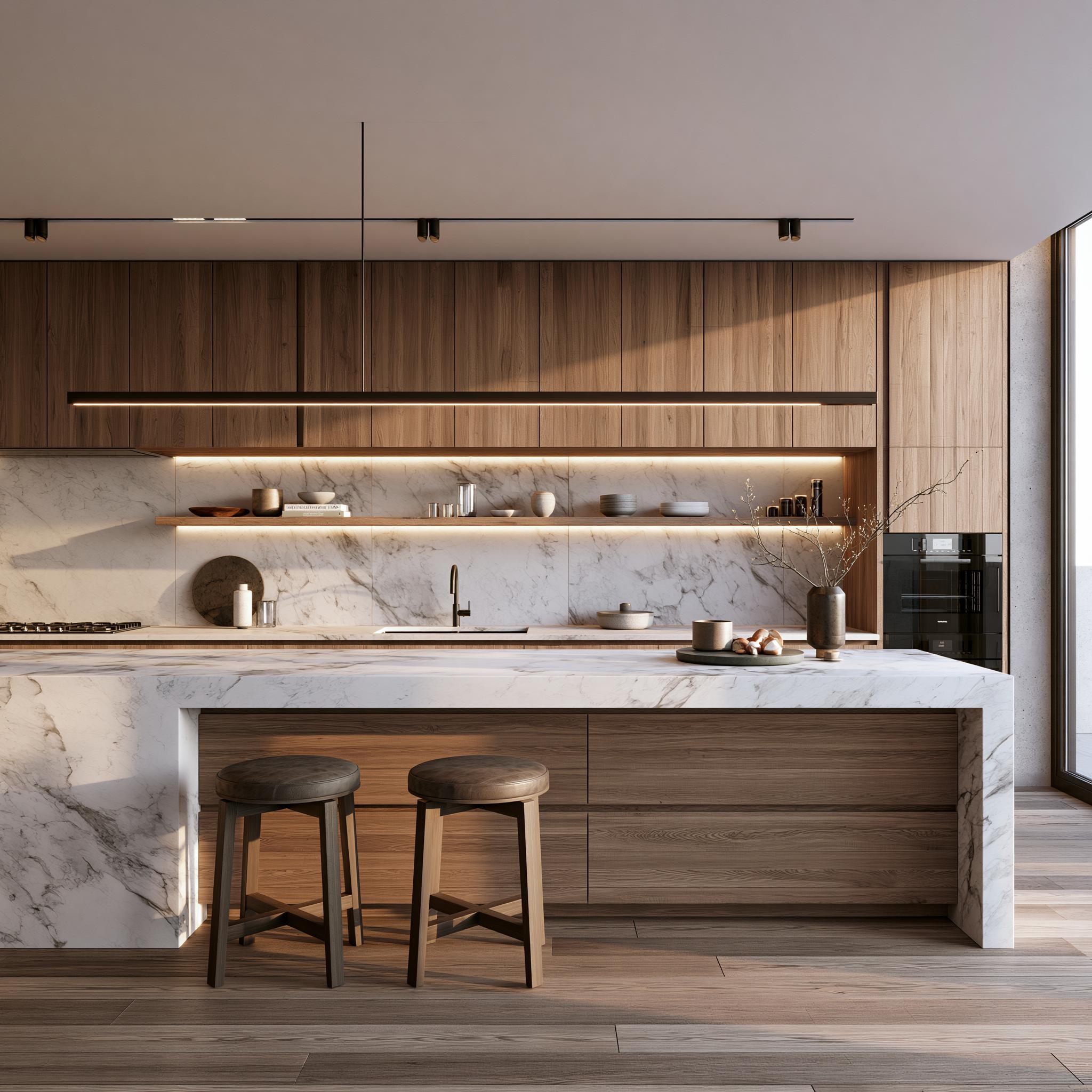
You don’t always need full doors. A half wall, a peninsula, or even a raised island can create subtle separation. These elements block direct views into the working area while still keeping the kitchen connected to the rest of the home.
It’s a softer way to “close” the space.
Curtains And Screens For A Softer Divide
If you want something more flexible, try this. Curtains or even mesh screens can visually close off the kitchen without making it feel heavy. They’re easy to move, affordable, and surprisingly effective at hiding clutter when needed.
It’s a simple idea—but very smart.
Looking to get your interiors done?
Hide The Messy Zones Strategically
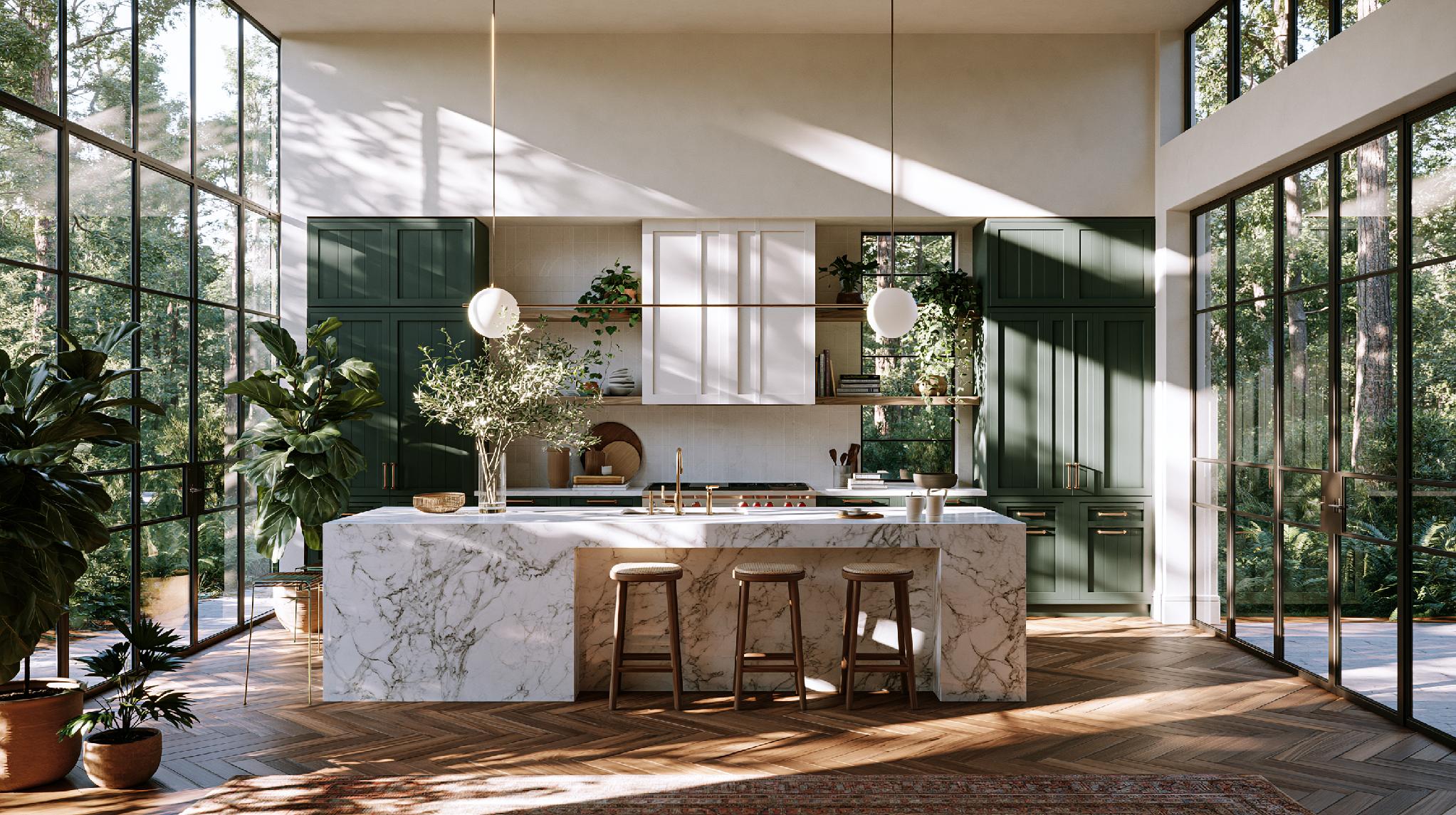
Not every part of the kitchen needs to be visible. You can design the layout so that the sink or cooking area is slightly tucked away, while cleaner zones like the island stay open. This way, even when the kitchen is “open,” the mess stays out of sight.
It’s about planning what people actually see.
Don’t Forget Ventilation And Noise
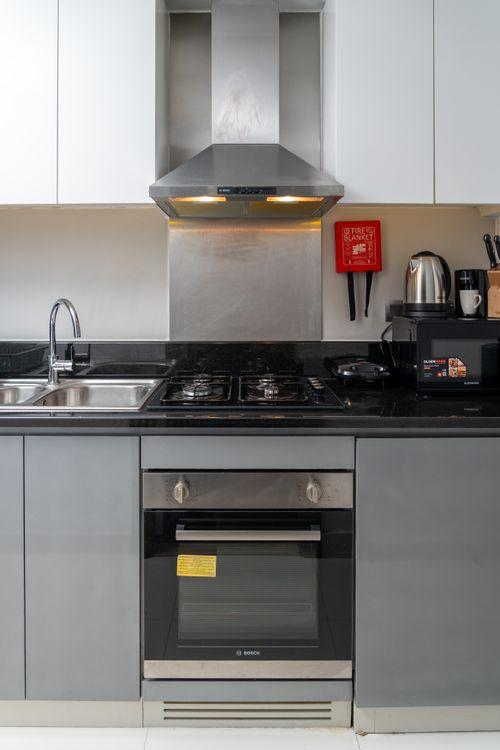
This part matters more than you think. If you’re keeping your kitchen open, good ventilation is essential to manage smells. Quiet appliances also make a big difference, especially in homes where the kitchen and living area are connected.
These details decide how comfortable the space feels long-term.
The Real Shift
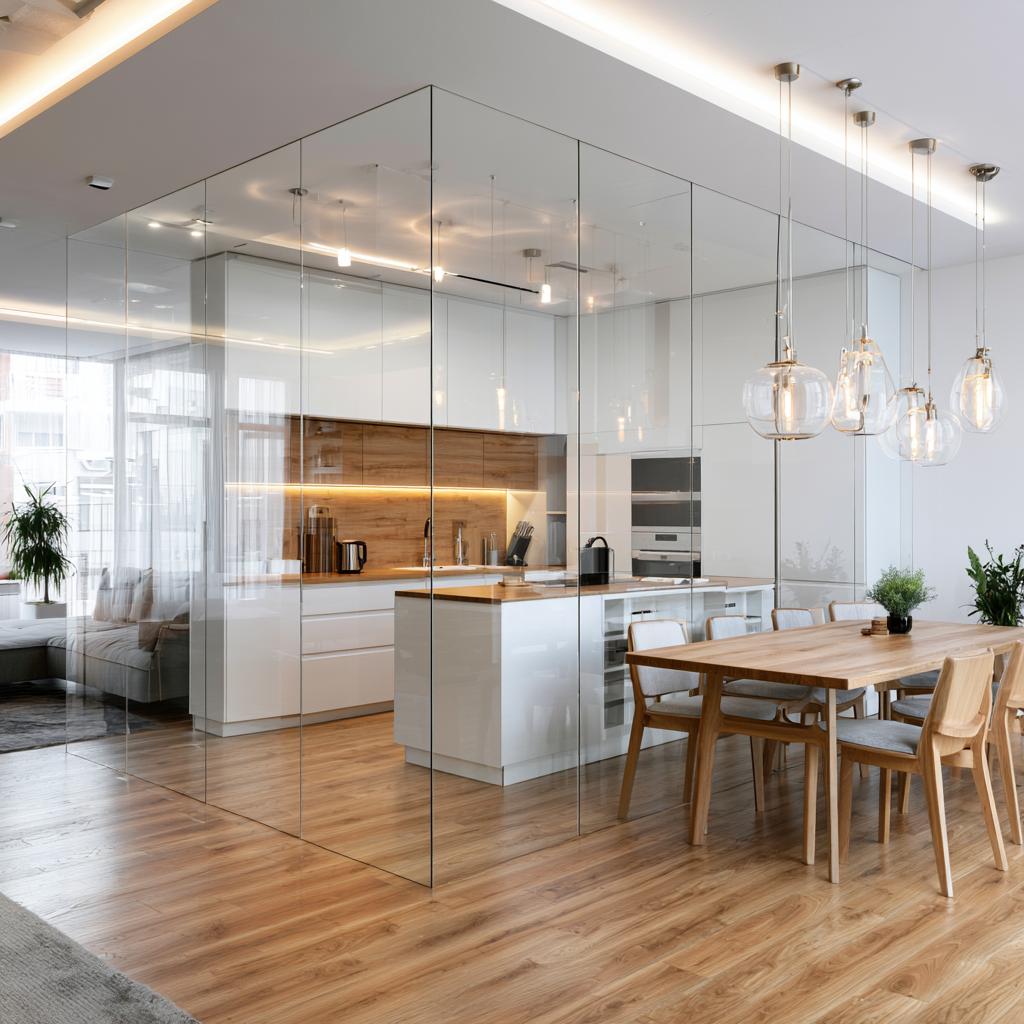
This isn’t about choosing open or closed. It’s about having options. A kitchen that adapts to your needs—open when you want connection, closed when you need control—is what modern homes are moving toward.
At HomeBliss, we believe the best spaces don’t force you to choose. They give you flexibility—and that’s what truly makes a home work.


