Last updated on October 1st, 2024
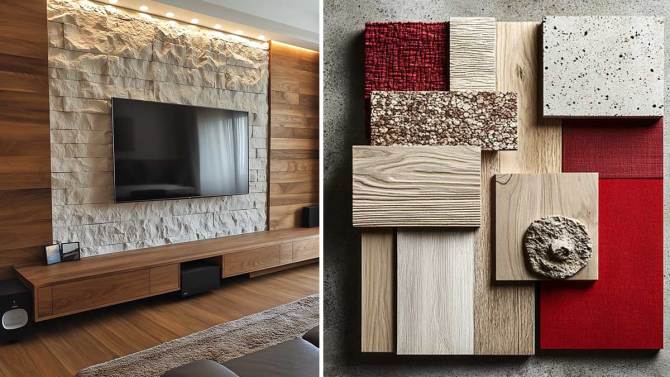
When it comes to designing a room, we often focus on color, furniture, and lighting, but there’s another essential element that can truly transform a space: texture. Texture adds depth, interest, and a tactile quality that can take a room from ordinary to extraordinary.
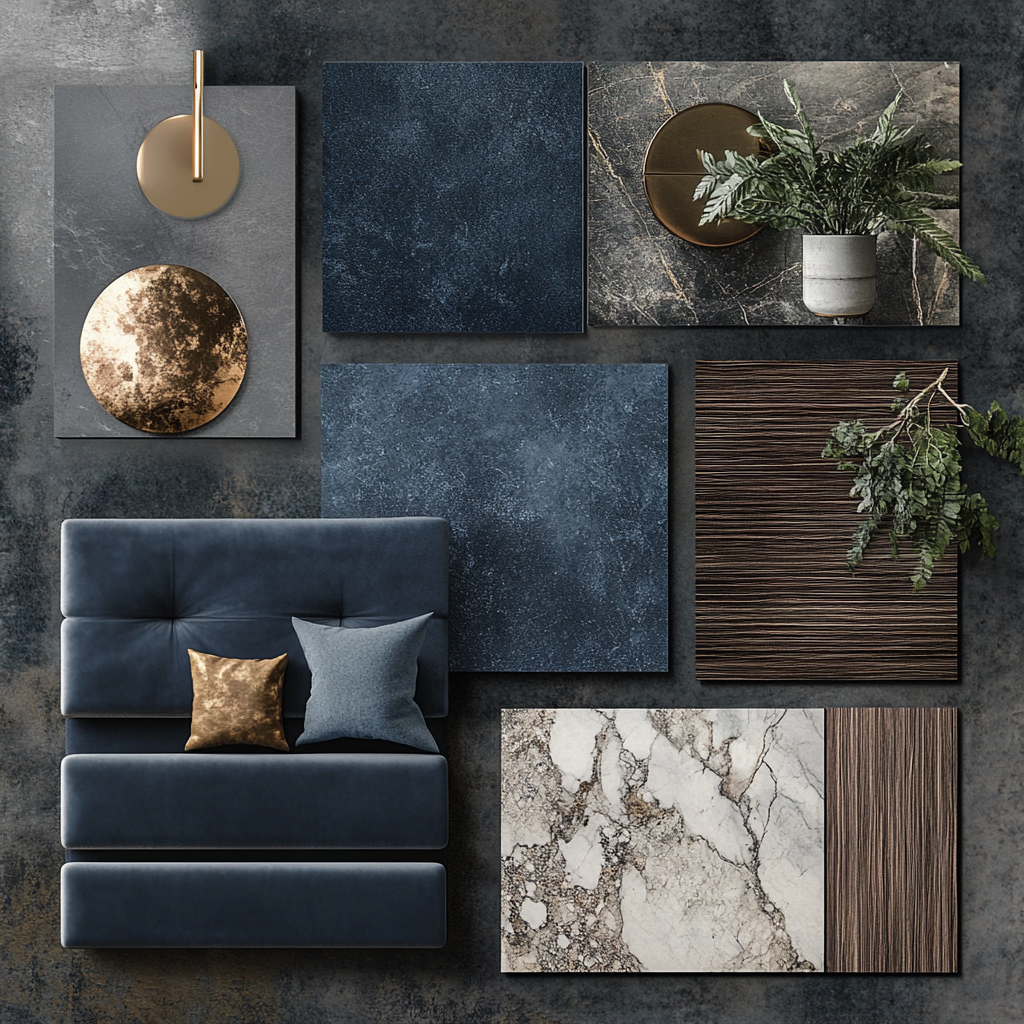
Whether it’s the softness of a velvet cushion, the roughness of exposed brick, or the sleekness of a polished stone, texture brings a multi-sensory experience to your home. Ready to explore the magic of texture? Let’s dive into how and where to use it in your home to create a space that’s as inviting as it is stylish.
Looking to get your interiors done?
1. Living Room: Creating a Textural Focal Point

Your living room is the heart of your home, and it deserves a focal point that draws the eye and invites conversation. Texture can play a crucial role in creating this focal point. Consider using a textured wall treatment, like a dimpled plaster wall or a stone feature wall, to add depth and interest. The natural light during the day and accent lighting at night can enhance these textures, making them the star of the room.
Another way to introduce texture is by mixing different materials in your furniture and decor. Combine a plush velvet sofa with a rough-hewn wooden coffee table, or pair a smooth leather chair with a chunky knit throw. The contrast between these textures will create a dynamic and visually engaging space.
Interiors in need of an upgrade?
2. Dining Room: Bringing Nature Indoors
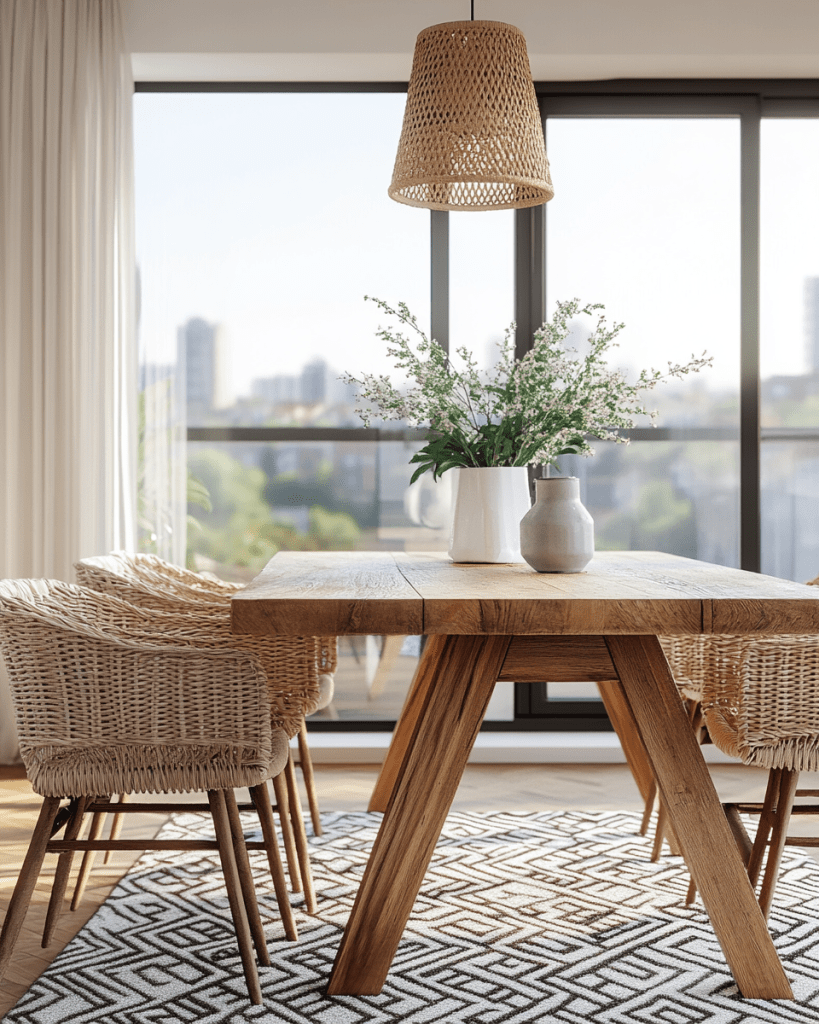
The dining room is a perfect place to experiment with raw, natural textures. Think weathered wood, exposed brick, and terracotta flooring. These materials add an earthy, rustic vibe that makes the space feel warm and welcoming. You can further enhance this look by incorporating natural woven materials like wicker chairs or a rattan light fixture.
For a more modern take, consider pairing rough textures with smooth, glossy surfaces. A rustic wooden dining table can be beautifully contrasted with sleek metal chairs or a polished stone countertop. The interplay of these textures will add depth and dimension to your dining room, making it both stylish and functional.
3. Bedroom: Luxurious Layers of Comfort

Your bedroom should be a sanctuary of comfort and relaxation, and texture plays a vital role in achieving that. Start with your bedding—layering different fabrics like silk, velvet, and faux fur can create a rich, luxurious feel. A tufted headboard or a textured rug can add even more dimension to the room.
In addition to textiles, consider using textured wall treatments or architectural elements. Mouldings, for instance, can add subtle texture to a painted wall, while a statement wallpaper with a raised pattern can create a dramatic effect. Keep in mind that balance is key—too many contrasting textures can be overwhelming, so aim for a harmonious mix of three or four different textures.
4. Bathroom: Multi-Textural Elegance

Bathrooms often get overlooked when it comes to texture, but they’re a great place to experiment with different materials. A single material used in various forms can create a cohesive yet multi-textural look. For example, a polished cement sink paired with a rough cement countertop can add a rustic yet elegant feel to your bathroom.
Consider using textured tiles on the walls or floor to add visual interest. Whether it’s a mosaic pattern or a 3D tile design, the texture will make your bathroom feel more luxurious and spa-like. And don’t forget the smaller details—textured towels, a woven basket, or a wooden stool can add warmth and personality to the space.
Need to refresh your interiors?
5. Kitchen: The Subtle Art of Texture

In the kitchen, texture can be both visual and functional. Flat surfaces like countertops and cabinets can benefit from the addition of textured elements to break up the monotony. Consider using faux textural imagery, such as tiles that mimic the look of natural stone or wood, to add depth without overwhelming the space.
For a more tactile experience, incorporate textured materials like a brick backsplash, wooden beams, or a stone island. These elements add character and warmth to the kitchen, making it feel more inviting. When working with a monochromatic color scheme, texture becomes even more important—it helps create visual interest and prevents the space from feeling flat.
Last Words: The Texture Trick for a Transformed Space

Texture is the secret ingredient that can elevate your home from simply decorated to thoughtfully designed. By incorporating different textures into each room, you can create spaces that are not only visually appealing but also rich in sensory experiences. Whether you’re layering fabrics in the bedroom, adding rustic elements in the dining room, or experimenting with textures in the bathroom, the possibilities are endless. Ready to add some texture magic to your home? For more inspiration and tips on creating a beautifully textured space, visit the Homebliss blog!


