
Last updated on July 29th, 2026
Kids’ study areas get messy fast. Books pile up, stationery disappears, and random things somehow end up on the desk.
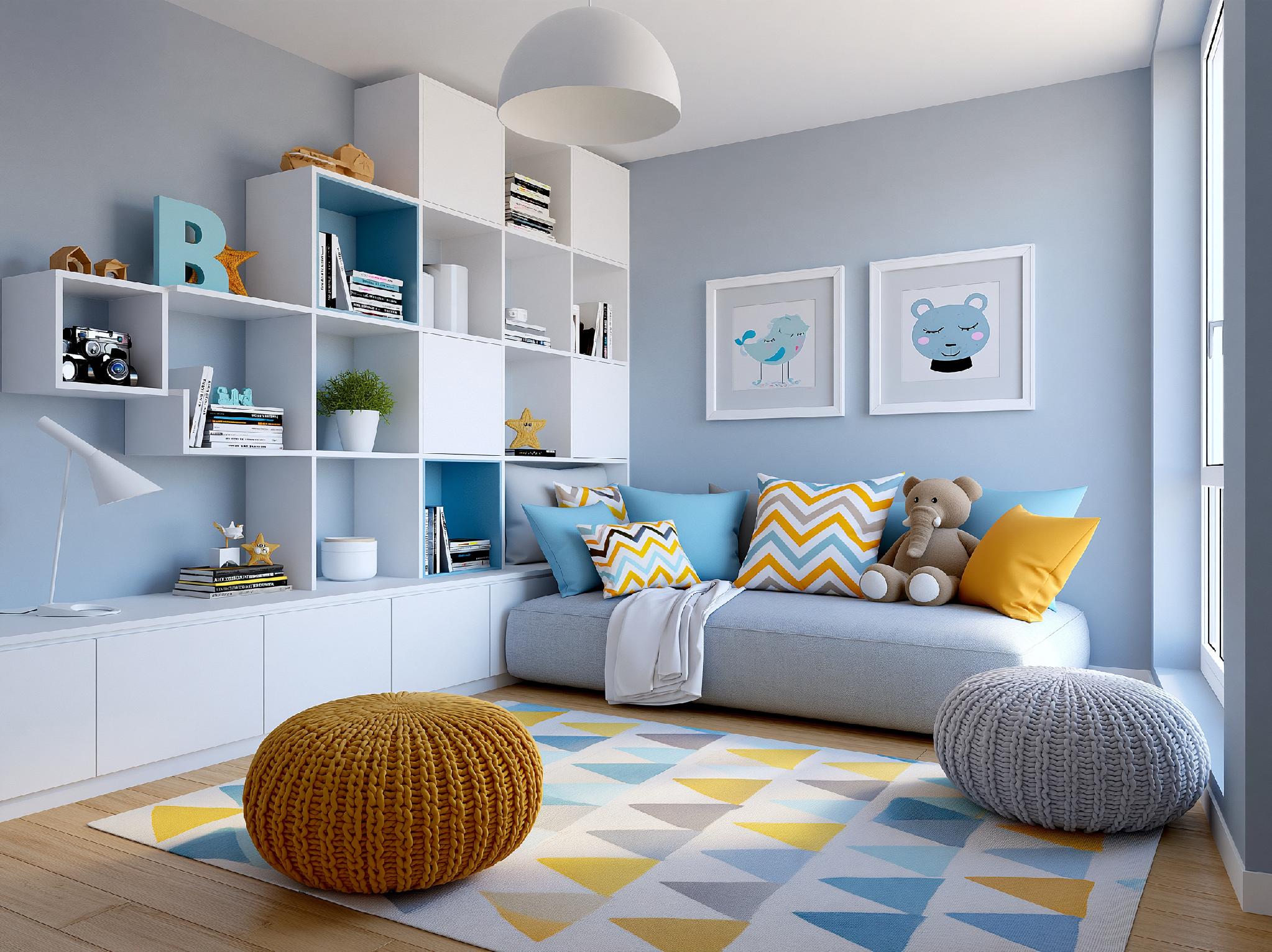
The problem usually isn’t the table—it’s the storage around it. When cabinets are designed for kids, not adults, everything becomes easier to manage.
And when it’s easier to manage, it actually stays tidy.
Low Cabinets Kids Can Reach Easily
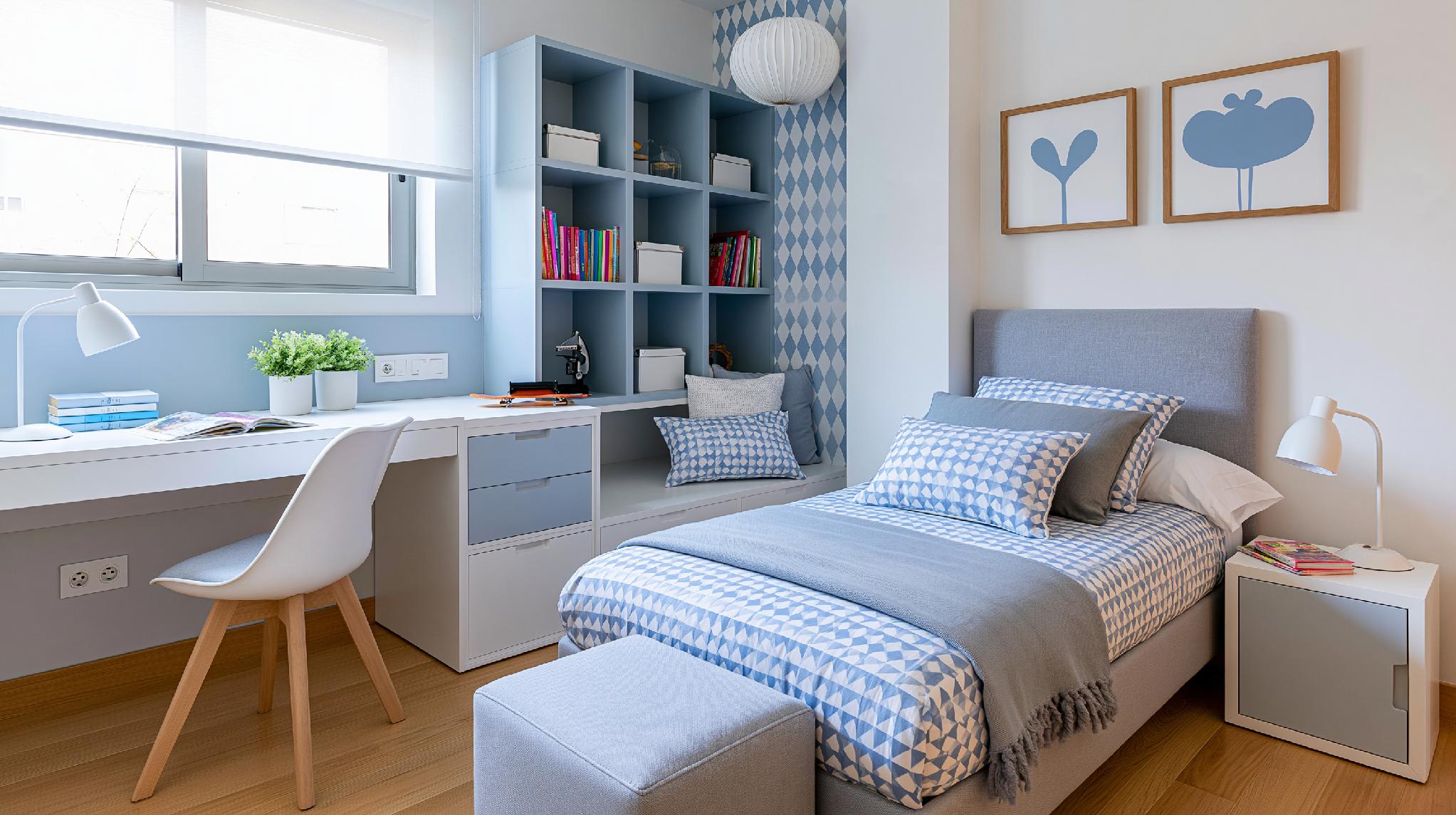
If they can’t reach it, they won’t use it. Lower cabinets and drawers make it easy for kids to access their books and supplies without asking for help. It builds independence and keeps daily clutter off the table.
Simple change, big difference.
Looking to get your interiors done?
Open Shelves That Make Organizing Obvious

Kids don’t like complicated systems. Open shelves help them see where things belong—books here, notebooks there, toys somewhere else. When everything is visible, putting things back becomes much easier.
No guessing, no excuses.
Mix Of Drawers, Shelves And Boxes
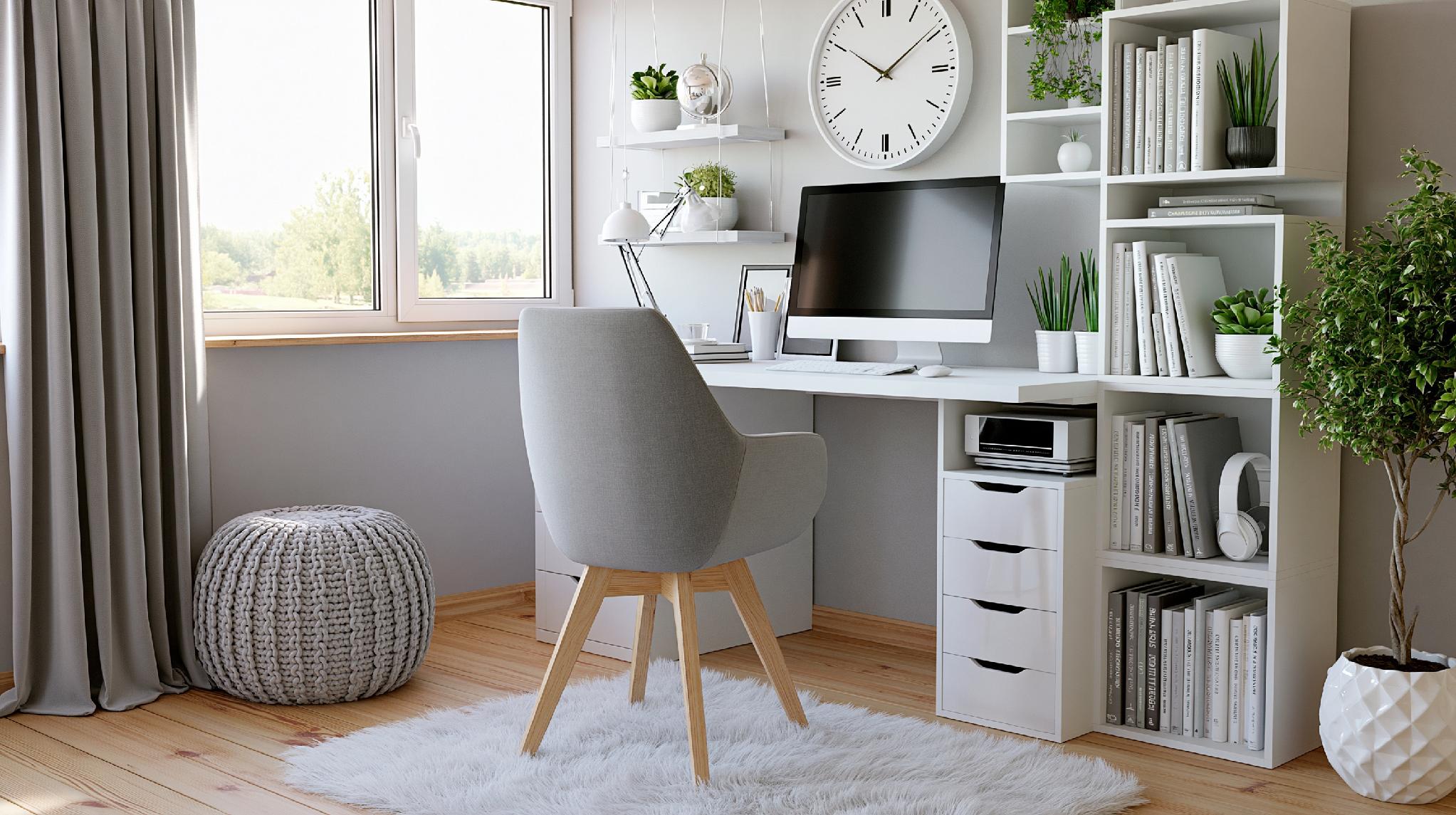
One type of storage isn’t enough. Drawers work for stationery, shelves for books, and boxes for smaller items. A mix keeps everything sorted without overcomplicating the setup.
It also grows with your child’s needs.
Looking to get your interiors done?
Floating Cabinets For Small Rooms

Kids’ rooms are often tight on space. Wall-mounted cabinets keep the floor clear, making the room feel bigger and easier to move around in. It also creates space for play—something every kid needs.
Less clutter, more freedom.
Corner Study Units That Use Every Inch

Corners are often wasted. An L-shaped study with built-in cabinets makes the most of awkward spaces while giving kids more room to spread out. It’s especially useful if they need space for books, crafts, or hobbies.
Smart layouts make small rooms work harder.
Looking to get your interiors done?
Add Soft Lighting Inside Cabinets
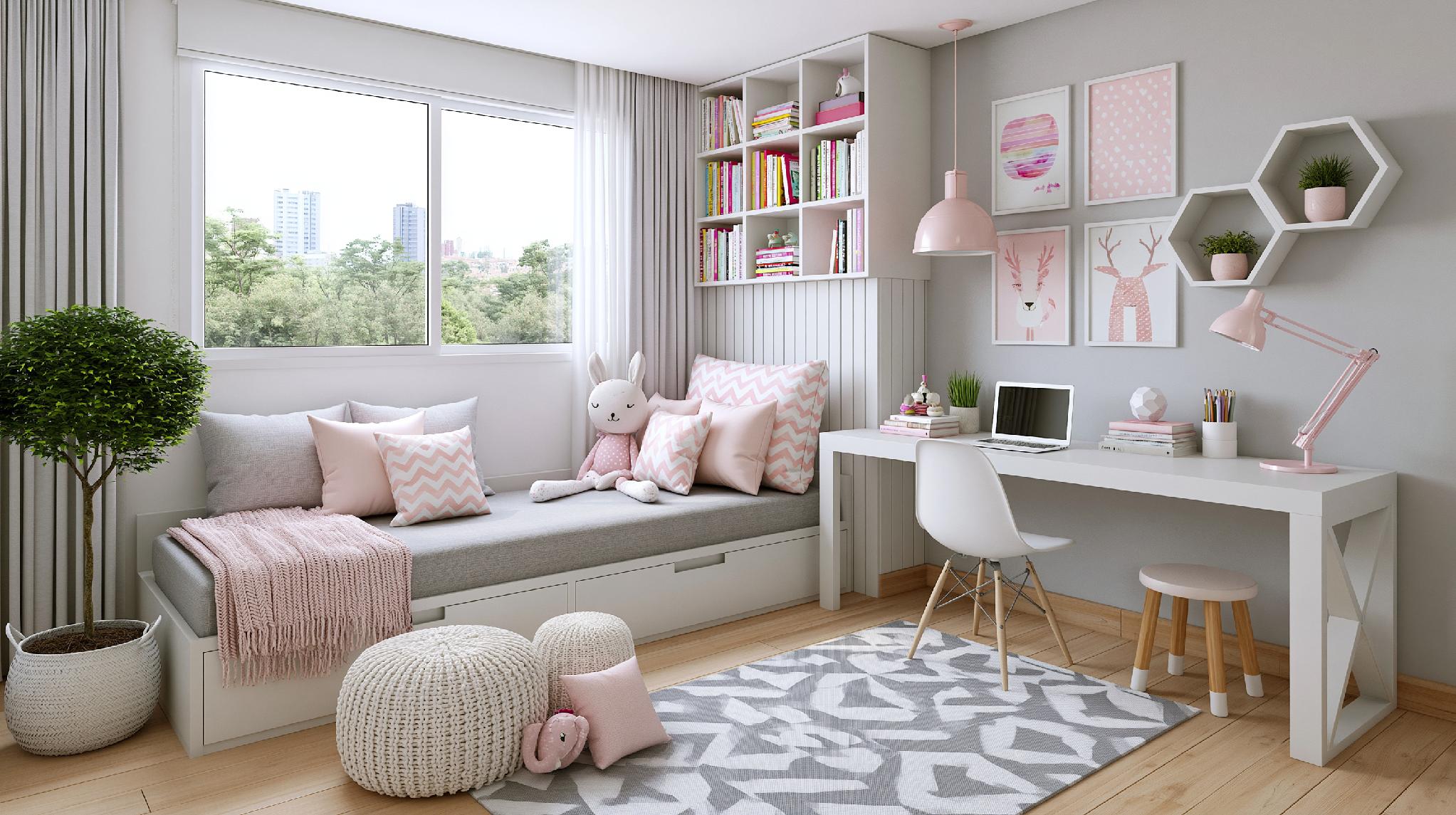
This one is underrated. Subtle lighting inside shelves or under cabinets makes the study space feel inviting and helps kids focus better. It also makes the setup look more “special,” which encourages them to use it.
Good lighting changes behavior more than you think.
Smart Tips To Design Study Cabinets For Kids

Kids don’t use storage the way adults do.
So their study cabinets need to be simpler, more accessible, and a lot more forgiving. Start by keeping everyday items—books, pencils, school supplies—at lower heights so kids can reach them easily without help.
Use open shelves or labelled boxes to make it obvious where things go. When kids don’t have to “think” about organizing, they’re far more likely to actually do it.
Add a mix of closed cabinets for messier items like toys, craft supplies, or random clutter. This keeps the space looking neat even on busy days.
Durability matters too. Choose finishes that are easy to clean and resistant to scratches, because this is one space that will see real daily use.
And finally, leave some flexibility. Kids grow fast, and their needs change just as quickly—your storage should be able to keep up without needing a full redesign.
The Real Upgrade

It’s not about making things perfect.
It’s about making things easy. When storage is designed for how kids actually use it, the space becomes more functional—and far less stressful to maintain.
Last Words

A well-designed study space doesn’t just look good.
It helps kids stay organized, focused, and a little more independent every day. And when the system works for them, you don’t have to keep fixing it.
At HomeBliss, we believe the best kids’ spaces aren’t the neatest—they’re the ones that are easy to live with.


