Last updated on September 25th, 2024
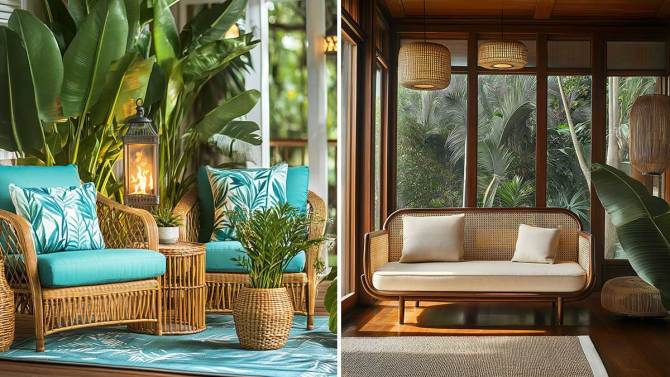
Let’s be honest: woven furniture and decor are trending, and whether it’s boho chic or coastal cool, these materials are bringing all the texture and laid-back vibes to home design.

But there’s always been some confusion when it comes to terms like “rattan” and “wicker.” Are they the same thing? Are they different? Let’s dive in and break it down so you can up your home decor game with confidence!
Looking to get your interiors done?
What’s the Real Difference?
First, let’s settle the confusion: rattan and wicker are not the same thing. In fact, one’s a material, and the other is a process. Rattan is the actual natural material, while wicker is the technique used to weave it (and other materials). Let’s take a closer look at each to see how they differ and how you can incorporate them into your home without losing track of their unique characteristics.
Wicker: The Art of Weaving

Wicker isn’t a material at all—it’s a weaving technique. Dating back to ancient Egypt, wicker has been used to craft everything from baskets to furniture, and it has evolved over the centuries. Originally, wicker was woven from reeds, palms, or grasses, but in modern times, it’s most commonly crafted from materials like rattan, cane, seagrass, or even synthetic fibers, especially for outdoor furniture.
The process of weaving wicker allows for intricate designs and unique shapes, which is why it’s used in so many forms of furniture, from chairs and sofas to frames and storage baskets. For those who love a natural, handcrafted aesthetic, wicker is your go-to for a timeless look that adds warmth to any room.
How to Style It: Wicker works in both functional and decorative pieces. Wicker baskets are perfect for storing throws or organizing your pantry, while wicker placemats or trays can add texture to your dining space. Want to make a statement? A wicker accent chair can easily become the centerpiece of a cozy corner or reading nook.
Interiors in need of an upgrade?
Rattan: The Material You’re Obsessed With

Now, let’s talk about rattan, the star material in all this woven furniture hype. Rattan comes from a specific type of climbing palm found in Southeast Asia, and with over 600 species of this tropical vine, it’s a versatile and durable material. Once harvested, the vines are cut, dried, and shaped into everything from chairs to baskets and decorative pieces.
Unlike bamboo, rattan is solid rather than hollow, making it both strong and flexible—perfect for shaping into curved or intricate designs. Its natural hues of warm brown shades bring an organic vibe to any space, whether indoors or outdoors. And let’s not forget: rattan is not just limited to furniture. You’ll find it used in mirrors, light fixtures, and even home accessories.
How to Style It: Rattan furniture is the perfect way to update your outdoor space. Swap out your old patio chairs for a fresh set of rattan seating or add a rattan pendant light to your indoor space for a natural statement piece. Rattan also blends well with neutral palettes, but if you want to make it pop, consider adding cushions or throws in bold colors.
Cane: Rattan’s Cool Cousin
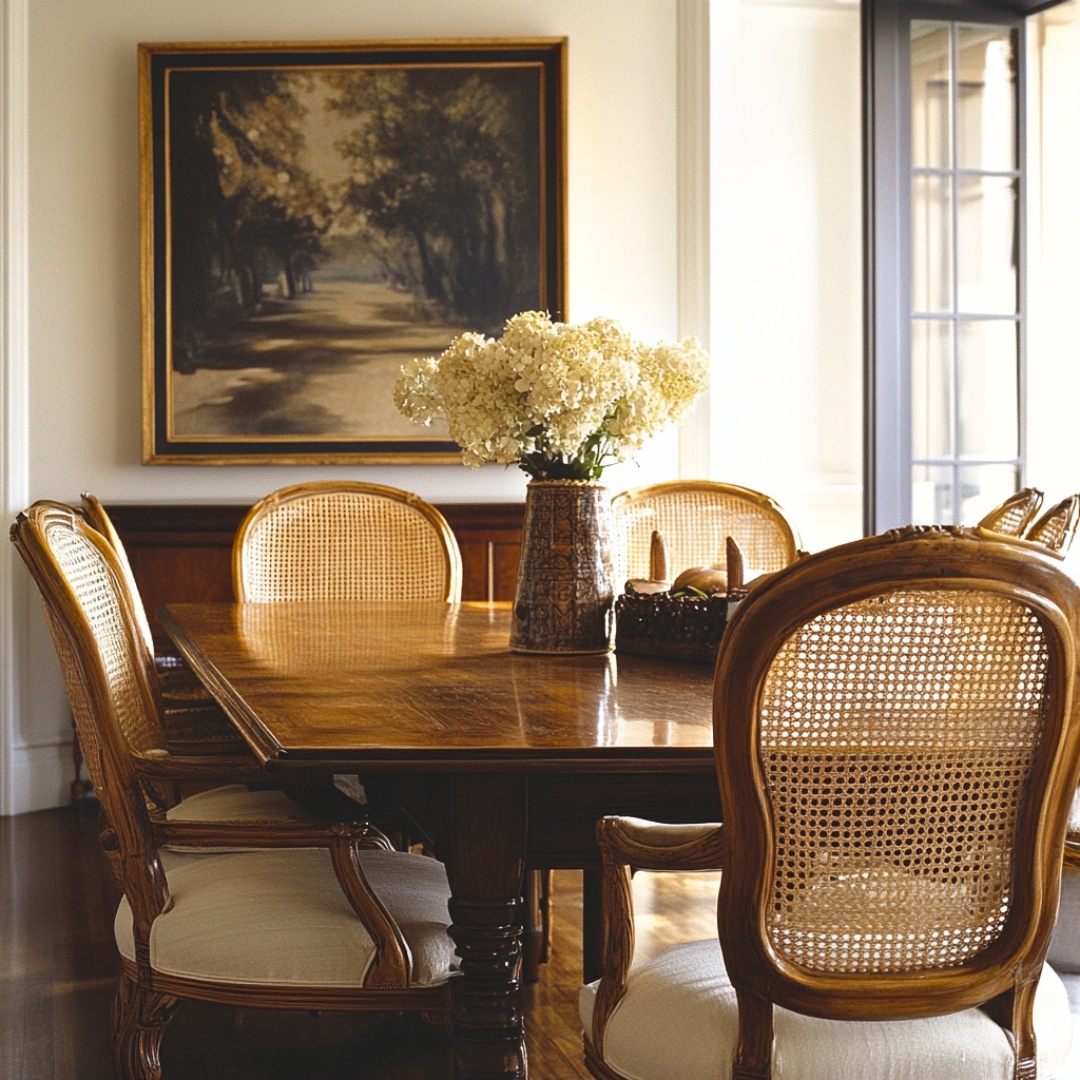
Here’s where things get interesting—cane is a part of the rattan plant but comes from the outer layer. While rattan is thick and sturdy, cane is more flexible, making it perfect for weaving into furniture designs. It’s often used for chair backs, seats, and decorative accents, thanks to its lightweight yet durable properties.
How to Style It: Cane pieces are ideal if you live in a humid climate, as they resist warping and hold up well over time. A classic cane-backed chair in your dining room or an accent dresser with cane paneling can bring a fresh, airy feel to your home.
Jute: The Eco-Friendly Choice

Unlike rattan or cane, jute is a natural fiber that comes from plants. You’ll usually find jute woven into textiles rather than solid furniture—think rugs, placemats, and upholstery. It’s known for being strong, durable, and eco-friendly. In fact, jute is 100% biodegradable, making it a fantastic choice for those seeking sustainability in their decor.
How to Style It: Layering is key with jute. If you love the texture but find it too rough, place a colorful, softer rug on top. Jute pillows, baskets, and tote bags also add subtle texture without overwhelming a space. And if you want to elevate your outdoor area, jute doormats or outdoor pillows are an easy win.
Wicker vs. Rattan: The Ultimate Showdown

So, what’s the real deal between wicker and rattan? It all comes down to understanding that wicker is the craft, while rattan is the material. You can find wicker pieces made from various materials like seagrass or bamboo, while rattan furniture is often made using the wicker technique. Both have their place in home decor, and both bring an earthy, timeless appeal to any room.
Need to refresh your interiors?
The Verdict: Which One Wins?

Ultimately, whether you go for rattan, wicker, or even jute depends on your personal style and the function of the space. If you’re leaning towards a coastal or boho vibe, rattan and wicker are your best friends. They offer durability, a timeless look, and versatile styling options. Want something even more eco-conscious? Jute and cane add texture and warmth without compromising the environment.
Last Words

Now that you know the real deal between rattan and wicker, it’s time to add some natural flair to your home! Both options offer a timeless, earthy vibe that blends seamlessly with various decor styles. Whether you’re opting for a chic wicker chair or a sturdy rattan table, your home will be serving all the boho, coastal, and laid-back vibes.
Feeling inspired? Head over to the Homebliss blog for more decor ideas that will have your space looking fresh and Insta-ready in no time!


