Last updated on April 2nd, 2024
Overhead lighting has often been a design challenge, typically offering more functional than aesthetic value. But it doesn’t have to be this way. With some creative thinking and design know-how, you can turn your overhead lights into a key feature of your room’s ambiance.
Whether you’re planning a complete lighting overhaul or seeking a quick fix, this guide will show you how to make overhead lighting work wonders in your space. Discover how to blend style and practicality, turning a once dull aspect of room design into a striking focal point.
Understanding Overhead Lighting
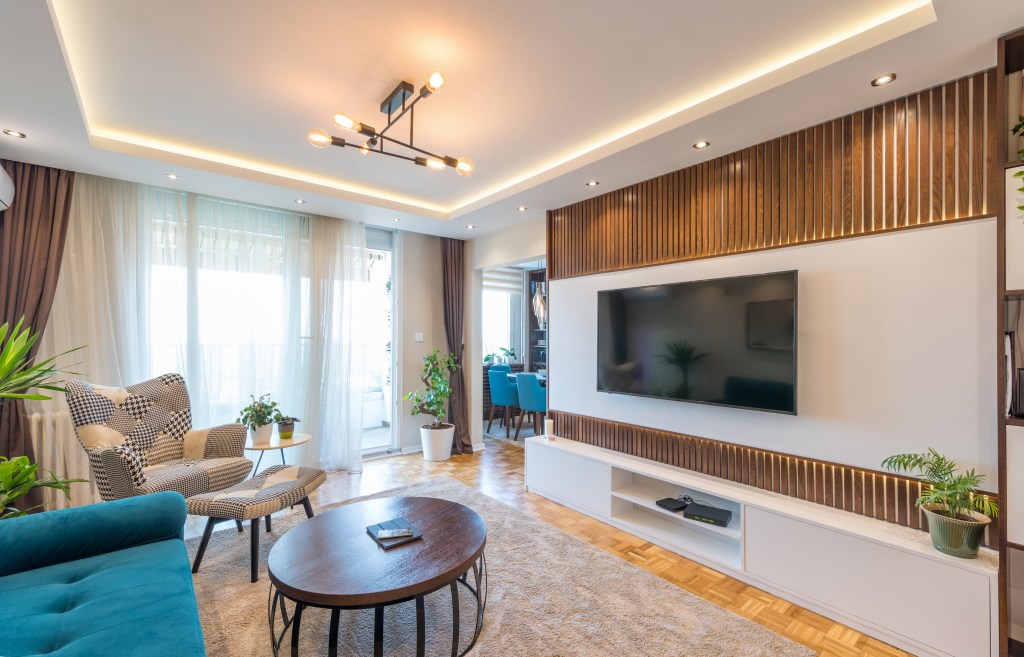
Overhead lights, often seen as less flexible compared to other types of lighting, can sometimes cast uneven shadows or produce unflattering downcast lighting. The solution lies in developing a comprehensive lighting plan that takes into account the entirety of your space, allowing you to utilize your overhead lights effectively without having to constantly work against their limitations. Overhead lighting, when thoughtfully integrated, can enhance both the functionality and aesthetics of any room.
The Essentials of Good Lighting
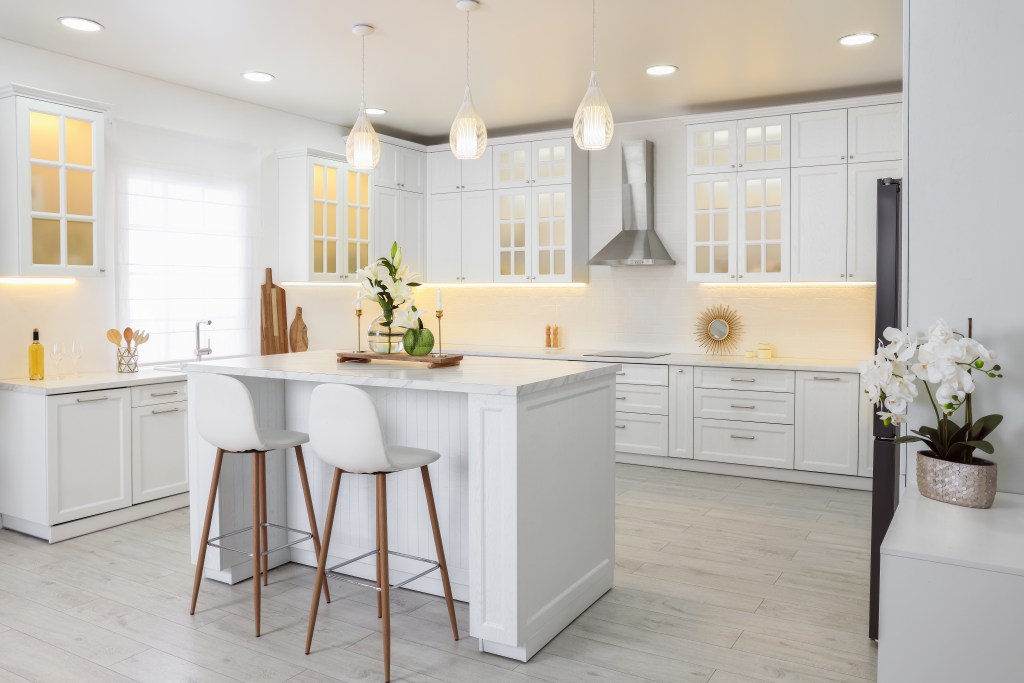
Good lighting involves a holistic approach, considering all possible sources: ambient, natural, task, and accent lighting. Overhead lighting, a part of ambient lighting, plays a crucial role in this mix. It’s about striking a balance with different light sources to create a warm, inviting environment. A well-planned lighting strategy can transform a space, making it feel more welcoming and lively, while addressing the functional needs of each area.
Changing Your Overhead Lighting Fixtures
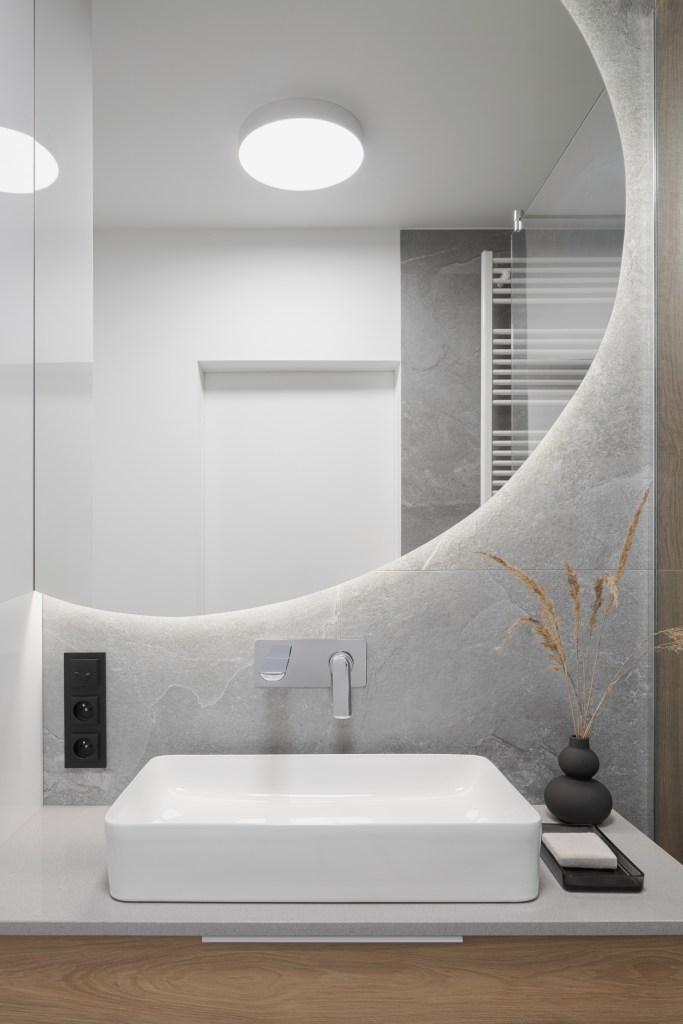
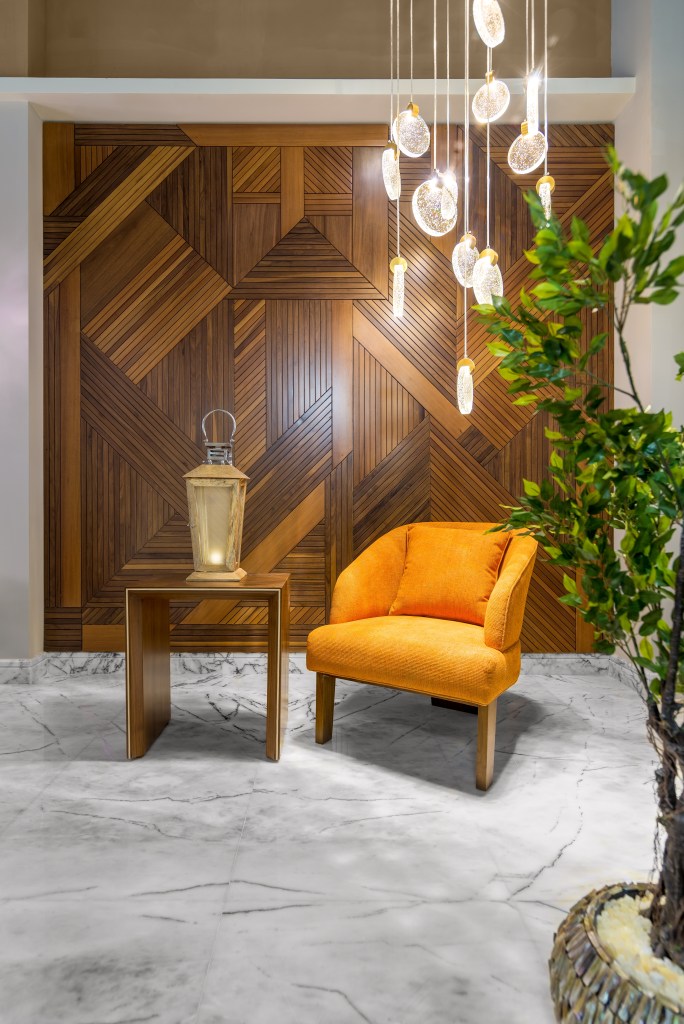
If you’re in a position to switch out your fixtures, the world of ambient lighting offers numerous options, from sleek can lights to glamorous chandeliers. Selecting the right fixture for your space can make a significant difference. For a brighter ambiance, opt for clear glass elements or exposed bulbs. For softer illumination, frosted glass fixtures can provide a delicate glow. And for something more dynamic, consider fixtures with crystals or unique shapes that refract light playfully. For more on lighting design, check out our blog post on Lighting No-Nos: Are You Making These Mistakes Too?
Position and Ambiance

The position of your lighting plays a pivotal role in the ambiance it creates. Lower-hanging fixtures, like chandeliers over dining tables, offer more flattering lighting than direct downcast lights. In rooms with high ceilings, consider fixtures that spread light across the space to ensure even illumination. Installing a dimmer switch can also help control the light’s intensity, allowing your overhead lighting to complement other light sources. This flexibility in lighting control can significantly enhance the atmosphere of a room, making it adaptable to different moods and occasions.
Alternatives When Fixture Changes Aren’t Possible

If changing fixtures isn’t an option, such as in rental spaces, there are still ways to enhance your lighting. Adding floor and table lamps can significantly impact your overall lighting scheme. Using at least two light sources per room, tailored to the room’s size and function, can ensure adequate illumination. Strategic placement of mirrors can amplify light, while battery-operated sconces and picture lights can add both light and architectural interest. Don’t overlook the importance of choosing the right lightbulbs; options labeled as “warm” or “soft glow” can dramatically improve the ambiance. For an in-depth look at effective lighting options, read Interiors 101: Track Lighting Simplified.
Making Overhead Lighting Work for You
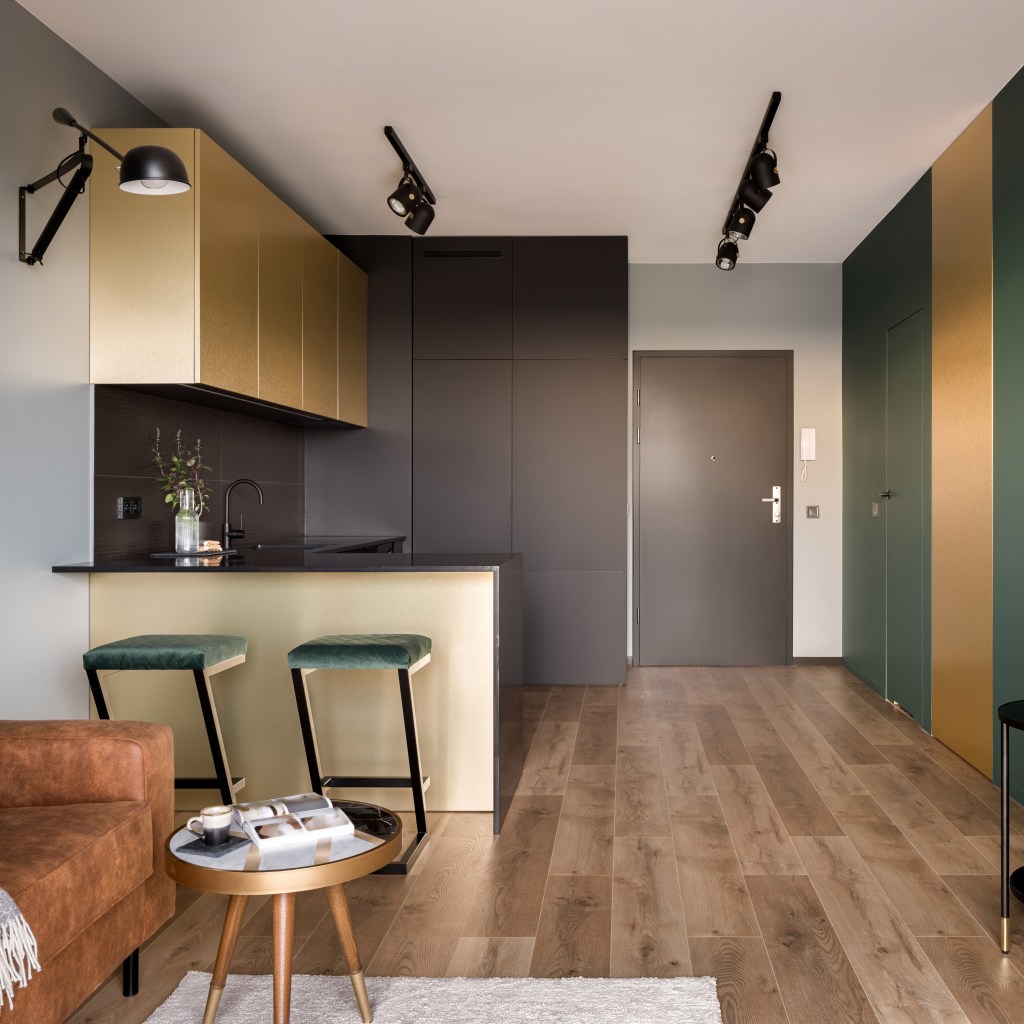
Overhead lighting doesn’t have to be a design afterthought. By considering the right fixtures, positioning, and complementing them with other light sources, you can create a space that’s both aesthetically pleasing and functional. Whether you’re able to change your fixtures or not, there’s always a way to make overhead lighting work in your favor, turning it into an ally in your interior design. Embrace these ideas, and you’ll find that your overhead lighting can significantly enhance the beauty and utility of your living spaces.
Conclusion
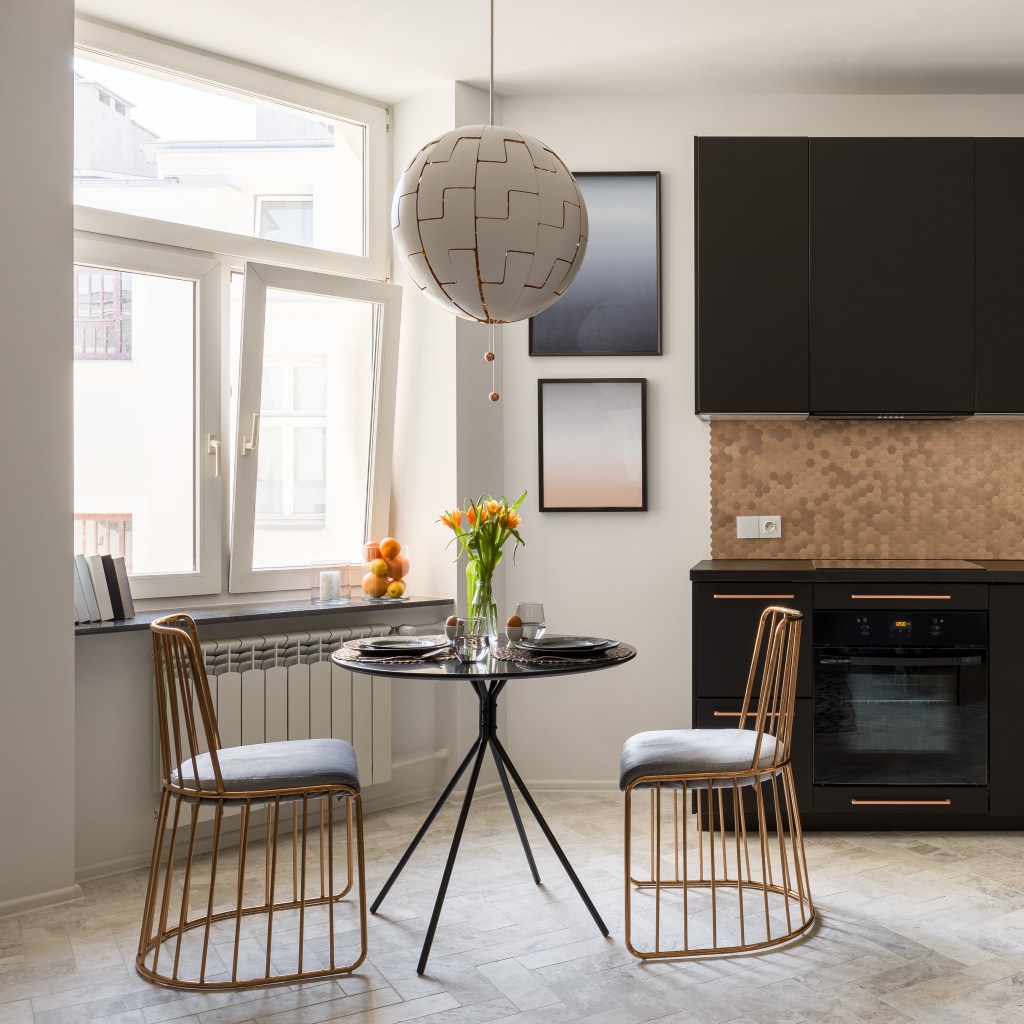
With the right approach, overhead lighting can become more than just a necessity; it can transform into a key element of your room’s design. By blending various light sources and considering factors like fixture style, placement, and bulb choice, you can create a space that’s beautifully lit and inviting. Lighting plays a vital role in setting the mood and functionality of a room, and with these tips, you can master the art of lighting design. For more insights into lighting your home according to ancient principles, explore our post Illuminate Right: 6 Vastu Shastra Lighting Laws!
And for more creative home decor ideas and lighting solutions, visit Homebliss at www.homebliss.in. Join our community and explore a world of interior design possibilities to make your home a haven of style and comfort.