
Last updated on September 1st, 2026
You might think it’s the bed.

But if your bedroom doesn’t feel relaxing, the problem usually isn’t your mattress or pillows. It’s the way the space is designed—and how it affects your mind. Even small design choices can quietly keep your body in an “alert” mode.
And that’s why you can feel tired, but still not relaxed.
Start With Your Lighting
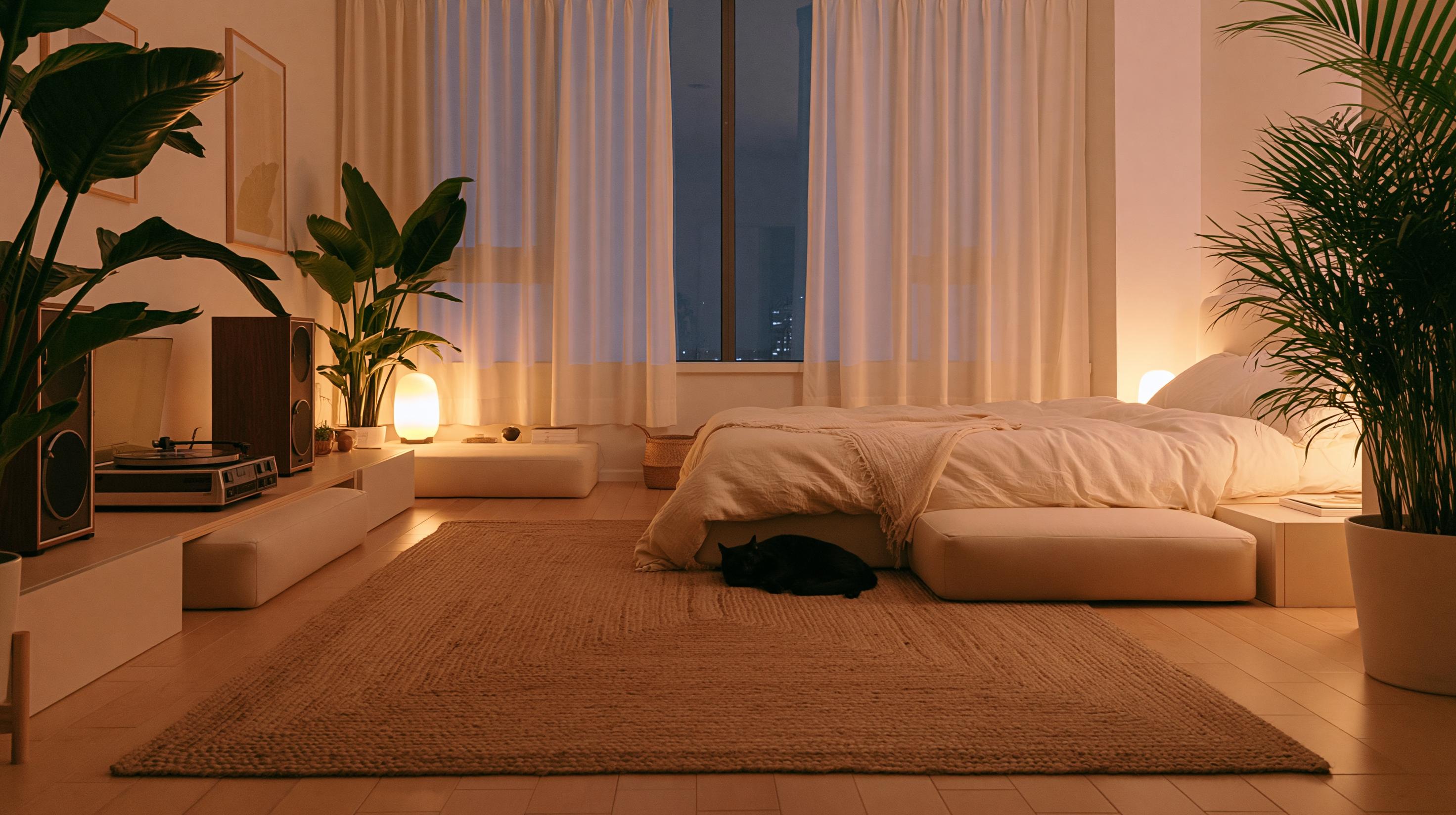
This is almost always the issue. Harsh overhead lighting can make your brain feel awake, even when you’re trying to wind down. Bedrooms need softer, layered lighting—like bedside lamps, wall lights, or warm ambient glow.
Lighting directly affects your body’s natural rhythm, which controls how easily you relax. The right light makes the room feel calmer instantly.
Add Layers Instead Of One Bright Source
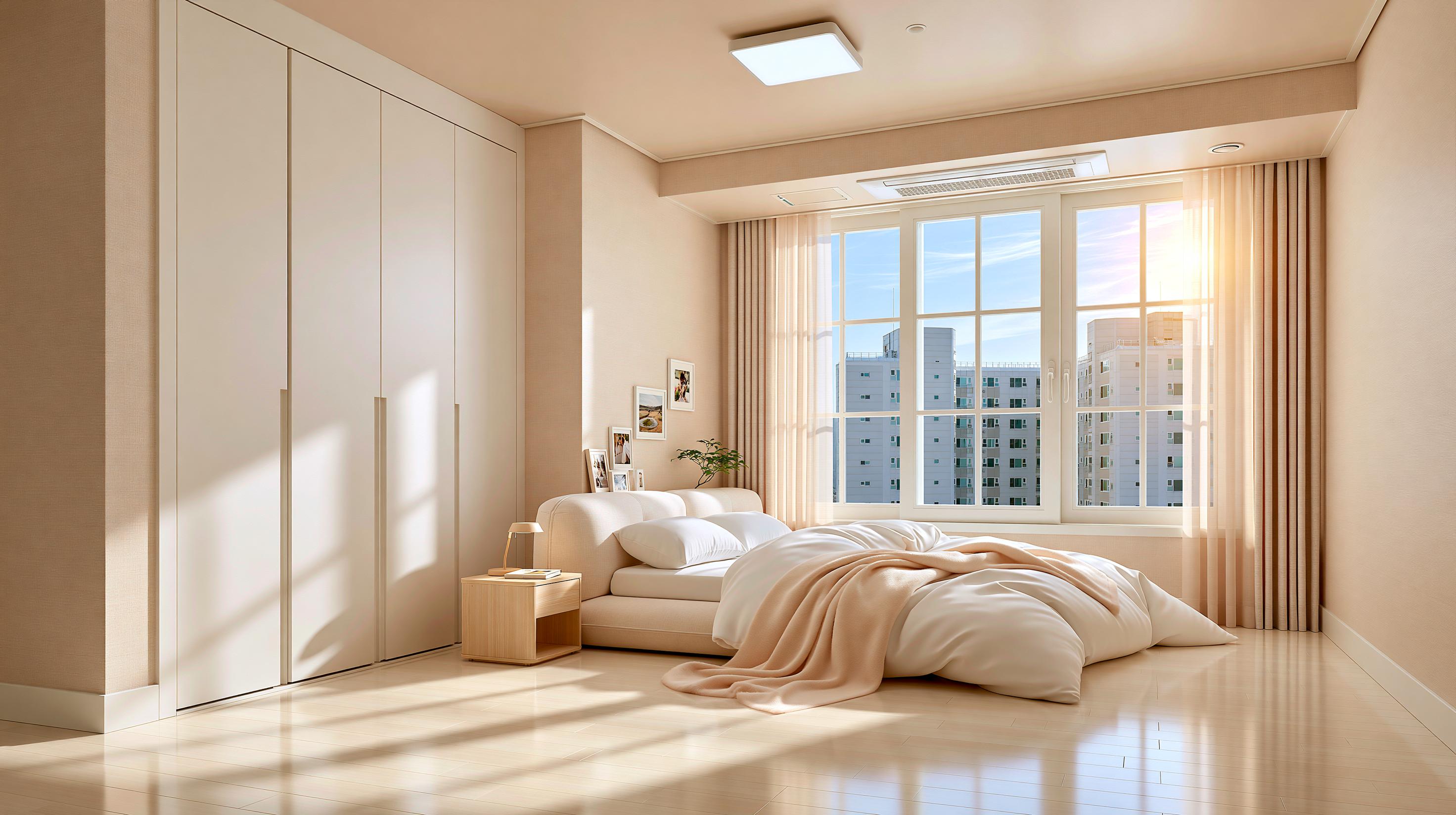
One light can’t do everything. A mix of ambient, task, and accent lighting gives you control over how the room feels at different times. Bright when needed, soft when you want to unwind.
Layered lighting lets you shift the mood without changing the space. It’s what makes a bedroom feel intentional.
Looking to get your interiors done?
Switch To Warmer Light Tones
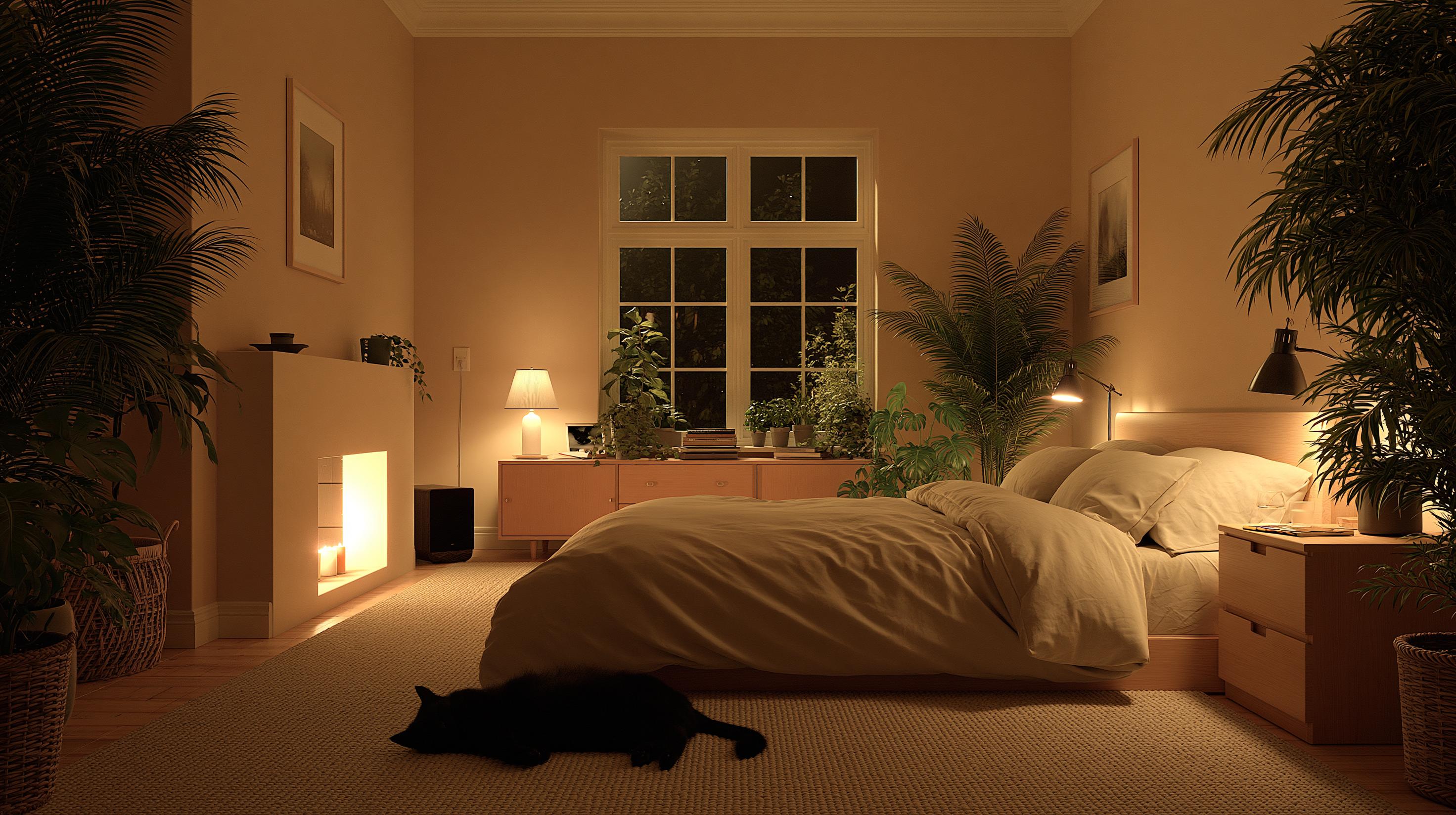
Cool white light isn’t your friend here. Warmer tones (around 2700K) create a cozy, relaxed environment that supports better sleep. Cooler lighting keeps your mind alert, even late at night.
The color of your light can completely change how your body responds to the space. It’s a small change with a big effect.
Control Natural Light Better
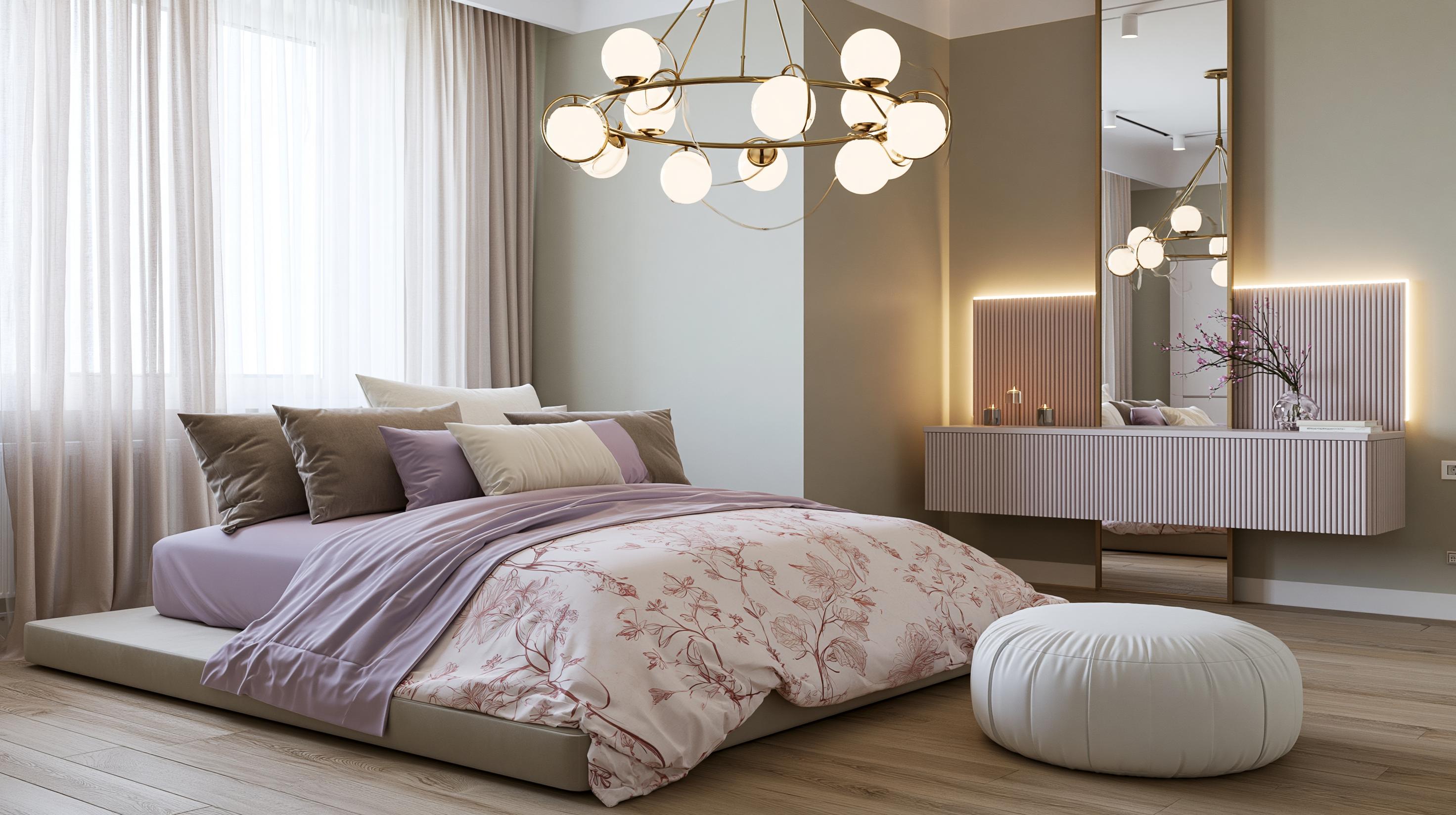
Day and night both matter. Blackout curtains or blinds help block excess light at night while still letting you enjoy daylight when needed. This balance supports better sleep cycles.
Too much uncontrolled light can disrupt your body more than you realize. Your room should adapt to time—not fight it.
Looking to get your interiors done?
Clear Visual Clutter

Your eyes need rest too. Too many objects, colors, or patterns can create low-level stress, even if you don’t notice it consciously. Simplifying what’s around you makes the room feel calmer.
A quieter space helps your mind slow down naturally. Less visual noise = more peace.
Simplify Colors And Textures

Too much contrast can feel overwhelming. Soft, cohesive colors and minimal patterns create a sense of calm. Even beautiful items can feel distracting if there are too many competing elements.
Consistency in color helps your brain relax faster. Keep it gentle and balanced.
Looking to get your interiors done?
Add Soft, Comforting Layers

This is what makes it feel inviting. Plush bedding, cozy throws, soft rugs—these layers add warmth and comfort. They make the room feel like a place you want to unwind in.
Texture plays a huge role in how comfortable a space feels. It’s not just visual—it’s physical comfort too.
The Real Order That Works
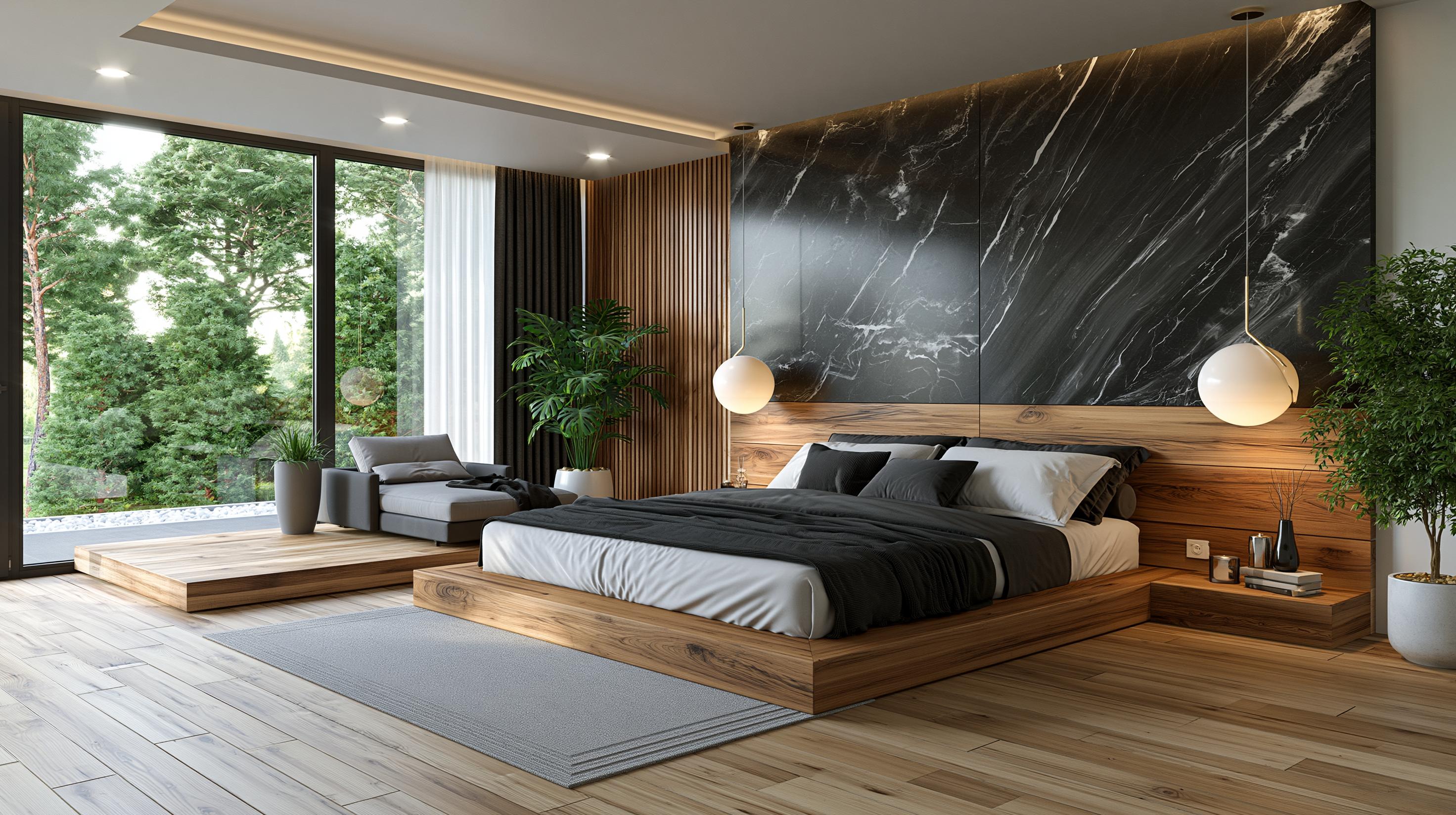
Don’t try to fix everything at once. Start with lighting, then reduce clutter, and finally improve comfort through textiles and layers. This sequence gives the biggest impact with the least effort.
Following a clear order makes the process feel far less overwhelming. Step by step works best.
The Real Shift

A peaceful bedroom isn’t accidental. It’s designed to help your body and mind slow down. When lighting, clutter, color, and comfort all work together, the space starts supporting your rest. And that’s when your bedroom truly starts doing its job.
At HomeBliss, we believe the best bedrooms don’t just look calm—they make you feel it the moment you walk in.


