Last updated on January 22nd, 2024
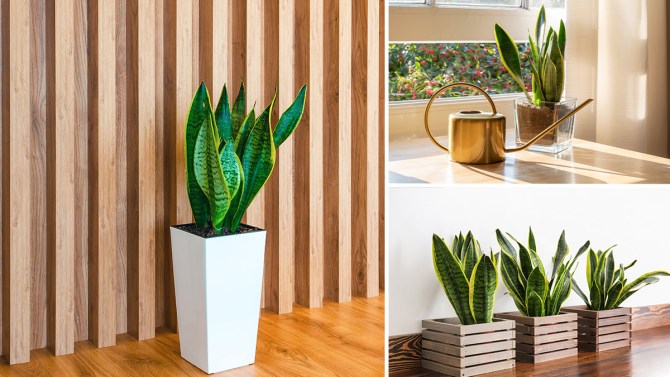
For those who love greenery but lack a green thumb, the Snake Plant, also known as Sansevieria trifasciata, is your ideal companion. This hardy plant thrives with minimal care, making it a perfect choice for busy or forgetful plant enthusiasts. Its distinct vertical leaves, with their marbled green patterns and sometimes golden edges, bring a unique aesthetic to any indoor space.

Let’s delve deeper into the world of this forgiving and resilient indoor plant.
1. Plant Overview

The Snake Plant is an evergreen perennial native to Southern and Western Africa. Known for its dense, vertical growth, this plant forms dense stands, spreading through creeping rhizomes. The leaves, typically 70-90 centimeters long, are dark green with light grey-green cross-banding. In optimal conditions, the plant can soar to heights of over 2 meters, becoming a statement piece in any room.
2. Ideal Placement

Sansevieria is incredibly adaptable and can thrive in areas with indirect to moderate light, making it suitable for dark corners or low-light environments. It’s the go-to plant for spaces where other plants might struggle. Its ability to endure neglect makes it a foolproof choice for any indoor setting.
3. Care and Maintenance
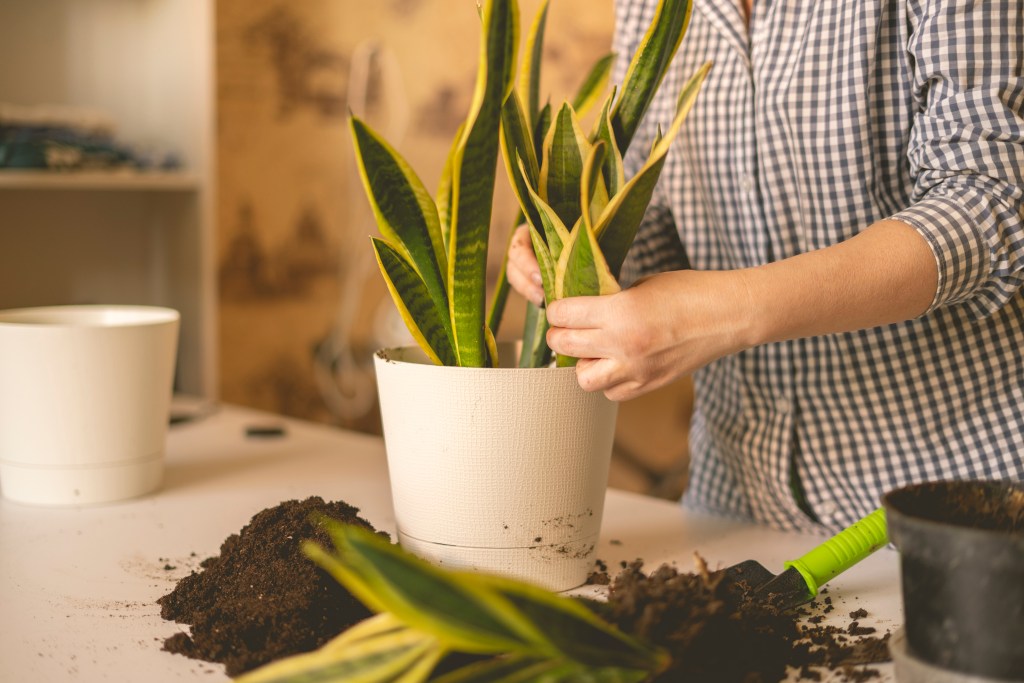
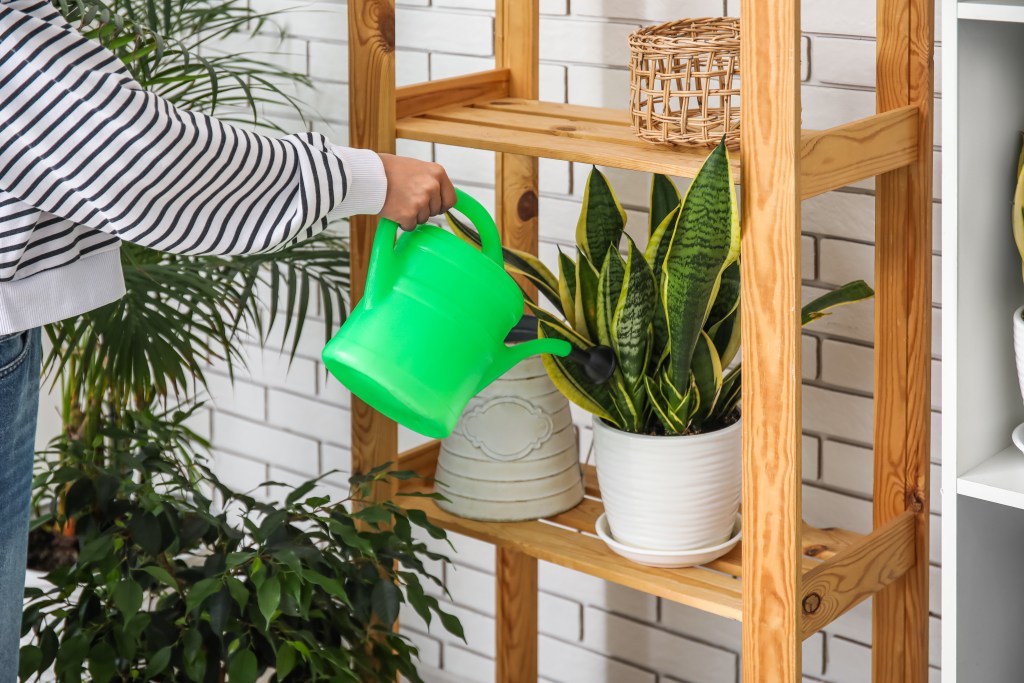
Caring for a Snake Plant is straightforward. Native to warm, tropical climates, it thrives in temperatures of 18-30 degrees Celsius. Watering should be moderate in spring and summer, allowing the soil’s top layer to dry out between waterings. During winter, reduce watering significantly. The plant prefers to remain pot-bound, needing repotting only every few years. For insights on living harmoniously with plants, explore Here’s How You Can Live With Plants.
4. Air-Purifying Qualities

One of the most remarkable traits of the Snake Plant is its ability to purify indoor air. Unlike most plants, it releases oxygen at night, making it an excellent choice for bedrooms. Its air-purifying capabilities extend to removing harmful toxins, contributing to a healthier indoor environment. However, be aware that it is mildly toxic to pets.
5. Decorating with the Snake Plant
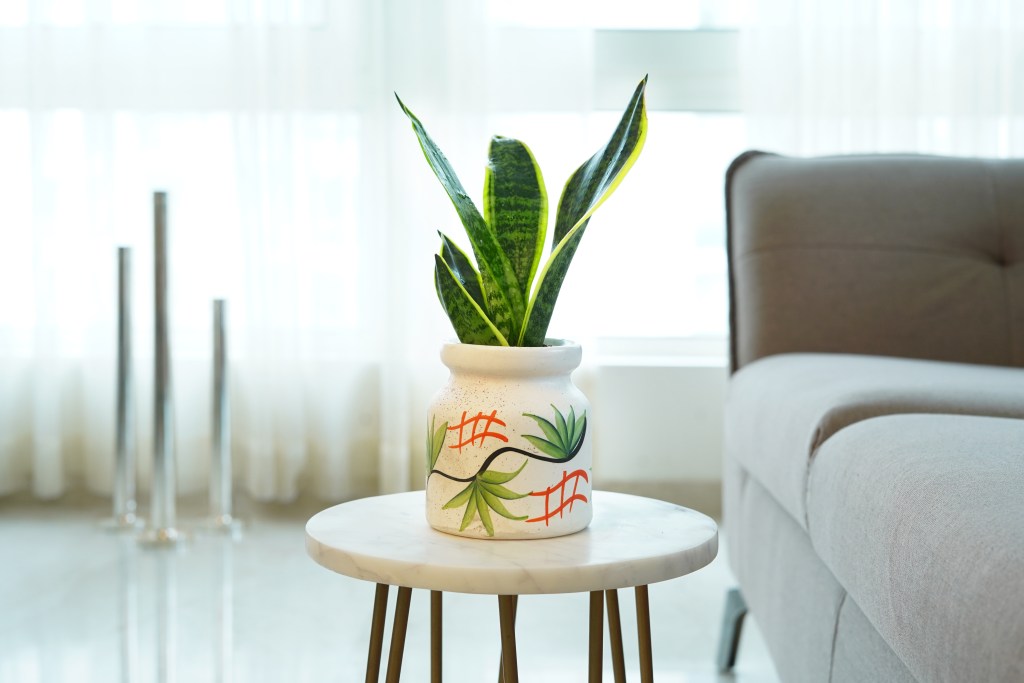
The Snake Plant’s vertical growth and striking leaf patterns make it an ideal decorative element. It can serve as a focal point or complement other interior decor elements. Its resilience and ease of care make it a practical choice for adding greenery to any room without the worry of constant upkeep. For those working from home, the Snake Plant is a great addition to a home office, as discussed in WFH? Here Are 7 Great Plants For Your Home Office.
6. Feng Shui and Vastu Considerations

In Feng Shui and Vastu, the Snake Plant is considered a good luck plant, often used to attract positive energy. Its upward-growing leaves symbolize growth and prosperity. However, it’s important to consider the principles of these practices when placing the plant in your home. For more information on Vastu for plants, check out Vastu For Plants: 5 Plants That Are Not Good For Home.
7. Pairing with Other Plants

The Snake Plant pairs well with a variety of other indoor plants, allowing for a diverse indoor garden. Its low maintenance requirements mean it can coexist with both high and low-care plants. Mix and match with flowering plants, ferns, or succulents to create a vibrant indoor ecosystem that’s easy to care for.
Final Words
The Snake Plant, with its ease of care, air-purifying qualities, and elegant appearance, is truly a timeless partner for any plant lover. Whether you’re an experienced gardener or just starting your indoor plant journey, this resilient plant is sure to bring joy and greenery to your space. For more gardening tips, design inspiration, and plant care advice, visit the Homebliss blog. Embrace this immortal companion and transform your home into a green sanctuary.


