Last updated on March 13th, 2024
In the intricate tapestry of home design, small bedrooms often pose a unique conundrum, particularly when integrating the ancient art of feng shui. This Chinese practice, centered on achieving harmony between individuals and their surrounding environment, holds significant value in intimate spaces like bedrooms.
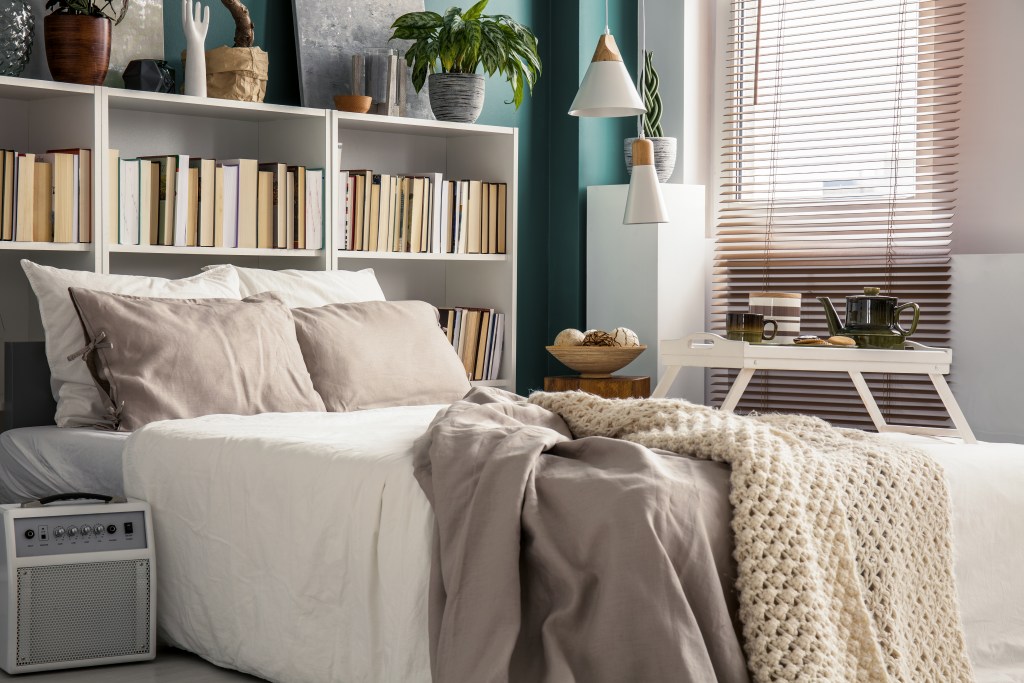
In compact areas, however, implementing feng shui principles requires extra finesse to avoid common pitfalls. This article aims to guide you through six feng shui “don’ts” specifically tailored for small bedrooms. By adhering to these expert recommendations, you can transform your modest space into a tranquil haven, promoting a sense of balance and serenity.
1. Avoiding Bright and Bold Colors

In the world of feng shui, the color palette of a small bedroom is paramount. Experts caution against vibrant, intense colors, which can dominate a compact space and disrupt its peaceful ambiance. Instead, they advocate for gentler, earthy tones like soft beige, dusty pink, or tranquil light blues, ideal for nurturing relaxation and grounding. These hues help create a serene bedroom environment conducive to rest and rejuvenation. Furthermore, incorporating tactile textures and subtle scents, such as a hint of lavender, can elevate the soothing atmosphere, making the bedroom a sanctuary for relaxation and well-being. The choice of colors and textures should aim to harmonize with the natural energy flow, ensuring the space remains a calm and restorative retreat from the outside world.
2. Eliminating Office Nooks

In today’s era of remote work, the temptation to integrate an office space within the bedroom is understandable. However, from a feng shui perspective, the bedroom should be a sanctuary for rest, free from reminders of work or exercise. The presence of electronics and work-related items can hinder relaxation and disrupt sleep quality. In smaller bedrooms where space is a premium, moving the office to another room might be challenging. As a compromise, consider using partitions, screens, or even curtains to delineate your personal and professional spaces. This separation helps maintain the primary function of the bedroom as a peaceful haven for rest and rejuvenation. The goal is to create a clear distinction between areas of activity and relaxation, ensuring that the energy flow within the space supports a restful and regenerative atmosphere. For more ideas on making sure your bedroom is Feng Shui correct, read 6 Best Ways to Cleanse Your Bedroom As Per Feng Shui.
3. Positioning the Bed Correctly

One of the most significant feng shui principles for small bedrooms is the proper placement of the bed. Ideally, the bed should be in a ‘command position,’ accessible from both sides to ensure a balanced chi flow. Pushing the bed against a wall to maximize space can block this energy flow, affecting both personal well-being and relationships. The partner sleeping against the wall might feel constrained or unsupported, impacting the dynamics of the relationship. Even in limited spaces, it’s crucial to arrange the bed to allow as much accessibility as possible on either side. This setup promotes a harmonious energy circulation, supporting both your personal energy and your relationships. Consider rearranging furniture or reducing clutter to achieve this ideal bed placement, enhancing the overall feng shui of your small bedroom. You could also explore Snooze Better: Feng Shui Tips For Dreamy Nights, for more ideas.
4. Avoiding Harmful Energies

In feng shui, the presence of certain elements in a bedroom can introduce negative energies, potentially disrupting the room’s harmony. Mirrors facing the bed or sleeping under ceiling beams are examples of such harmful elements. These features can create unsettling energy flows that may impact rest and well-being. Water features, another feng shui no-no in the bedroom, can further disturb the tranquility of the space. To ensure your bedroom has favorable feng shui energies, it’s important to be mindful of the placement and nature of each decorative element. Consulting a professional can provide tailored advice for your specific space, but a good rule of thumb is to avoid decor that could potentially cause harm or discomfort. This includes avoiding sharp-cornered furniture near the bed or heavy items hung overhead, prioritizing safety and peace in your sleeping environment.
Interiors on your mind?
5. Clearing Under-Bed Space

In the feng shui philosophy, the space under your bed is crucial for the free flow of energy. Storing items in this area, a common practice in small bedrooms, can hinder this energy movement, affecting the quality of rest and rejuvenation. Feng shui encourages keeping the under-bed area clear to allow energy to circulate freely during the night. For those with limited storage options, it’s essential to explore alternative solutions that align with feng shui principles. Consider vertical storage solutions or furniture with built-in storage that doesn’t interfere with the bed’s energy field. This approach not only adheres to feng shui guidelines but also helps maintain a clutter-free and spacious atmosphere in your small bedroom, contributing to a more restful and energizing environment.
6. Decluttering Regularly
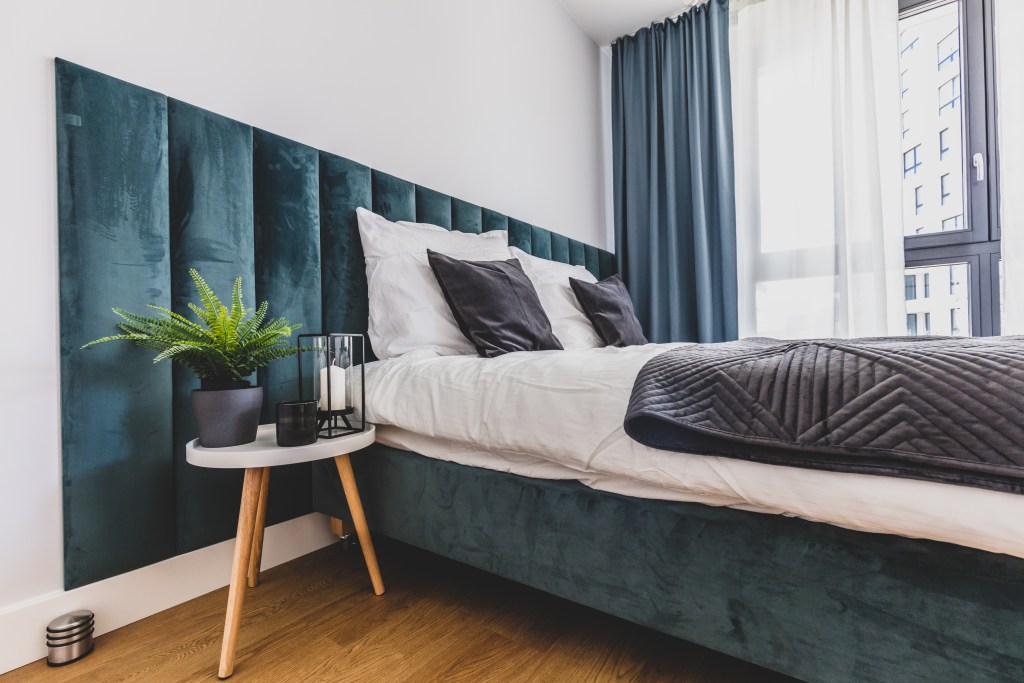
Clutter is anathema to feng shui, especially in a small bedroom where space is at a premium. The focus should be on the bed, complemented by matching nightstands and lamps, if possible. A decluttered bedroom paves the way for positive energy to flow freely, enhancing the room’s feng shui. To start decluttering, focus on removing items that no longer serve a purpose or bring joy. This includes expired personal products, medications, items from past relationships, and books with negative content. A clutter-free environment not only aligns with feng shui principles but also creates a more inviting and spacious atmosphere. Adopt a regular decluttering routine to maintain this harmonious state, ensuring your small bedroom remains a sanctuary for relaxation and rejuvenation.
Our Take
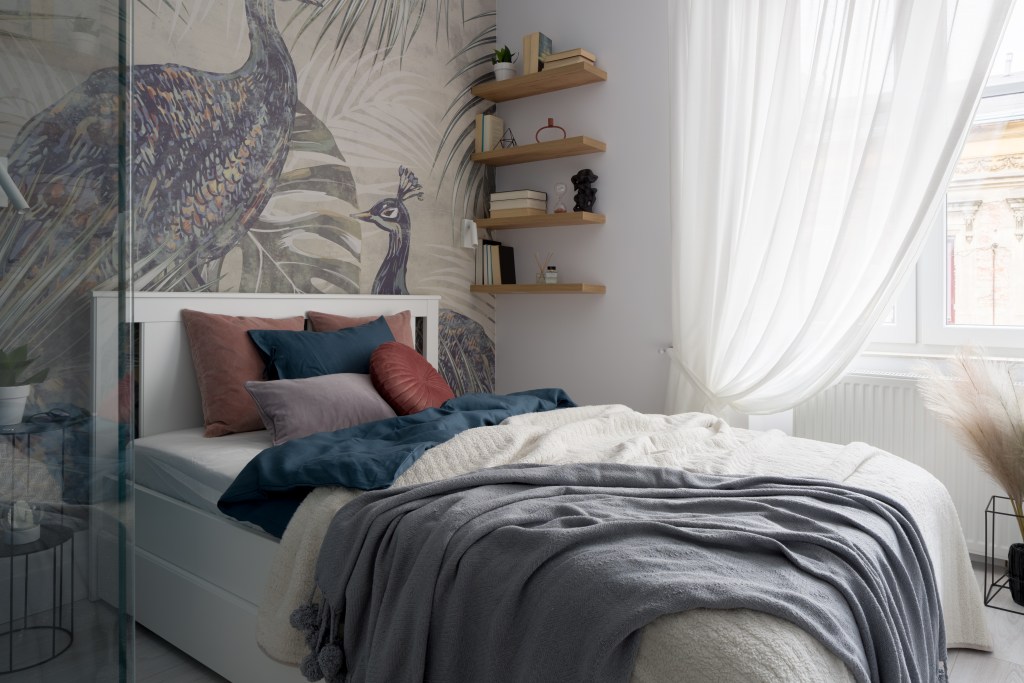
Embracing feng shui in a small bedroom involves mindful choices and strategic arrangements. By avoiding these six feng shui “don’ts,” you can effectively transform your compact space into a harmonious, balanced sanctuary. Remember, the key to successful feng shui lies in creating an environment that nurtures your well-being and aligns with your personal energy. We encourage you to also check out All About Headboards: Feng Shui’s Take On It. For more insights on feng shui, home decor, and maximizing small spaces, explore the treasure trove of knowledge at Homebliss, where you’ll find a wealth of information to enhance your home’s harmony and aesthetic appeal.